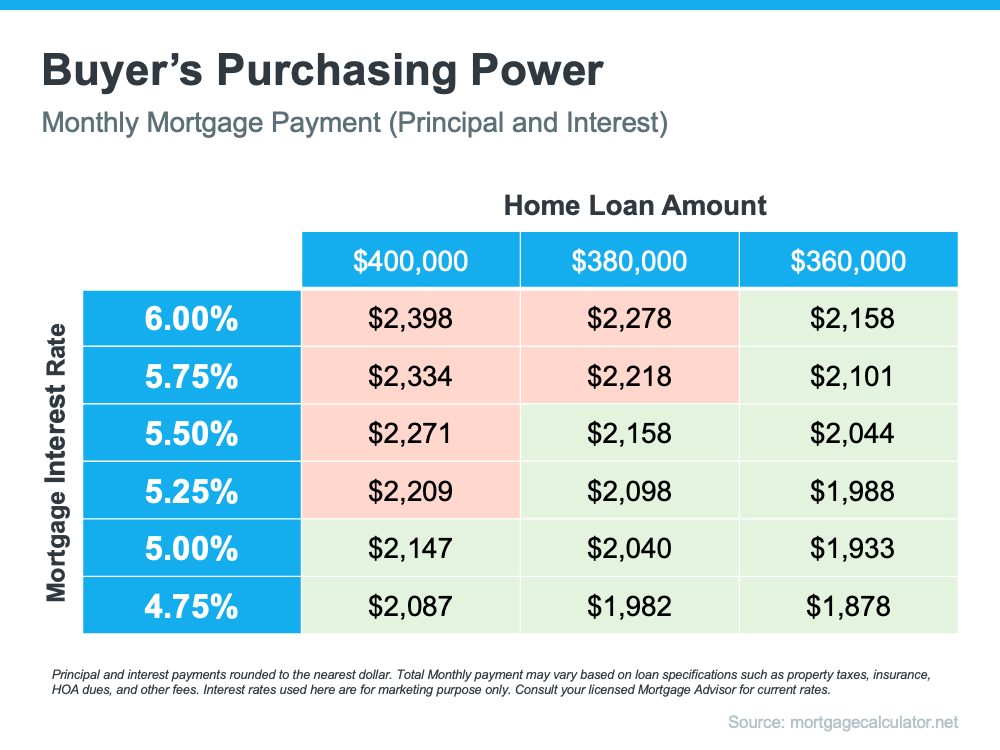
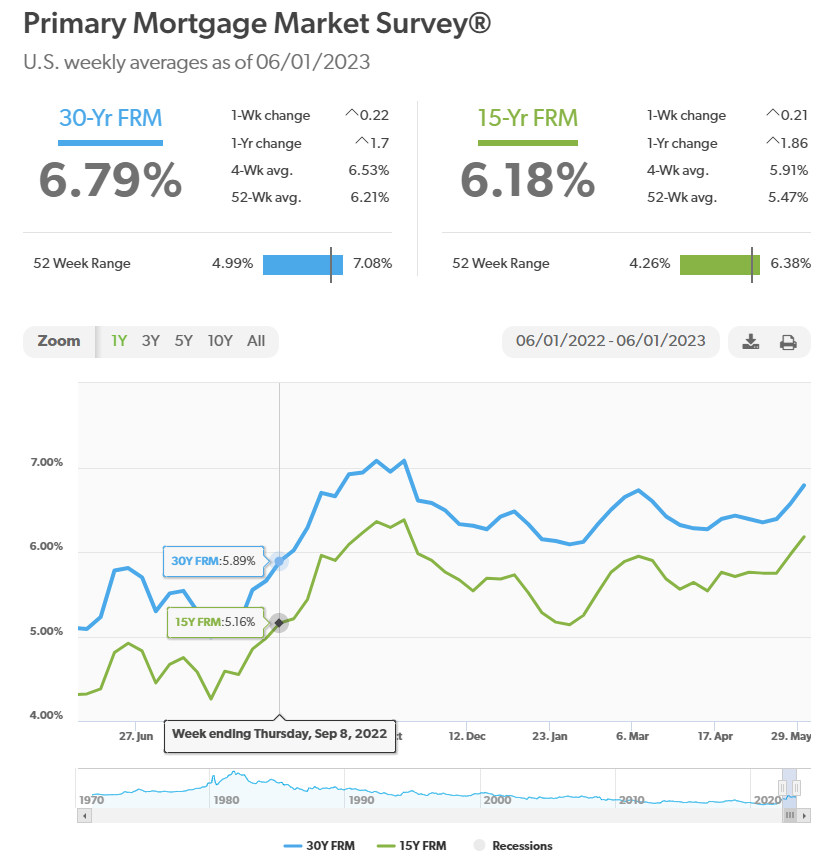
Mortgage costs are easing just enough to pull buyers back into the market, even as the route lower remains tied to war headlines and oil prices. The average 30-year mortgage rate fell to 6.35 percent last week from 6.42 percent, and applications for loans to buy homes rose 10 percent, the strongest weekly gain since early January. That is not a housing boom, but it is a clear break from the winter gloom that had left the spring selling season looking soft.
The move has been powered less by home economics than by bond-market nerves. Mortgage News Daily said rates have been stuck in a narrow 6.29 percent to 6.33 percent band for more than a week, with lenders waiting on the next turn in the Middle East conflict. Its read is that the market is leaning toward de-escalation, which has helped keep Treasury yields below their late-March highs and taken some pressure off borrowing costs.
That relief is already showing up in the refinancing market, where applications rose 6 percent for the week and were 52 percent higher than a year earlier. For homeowners who have been locked into ultralow pandemic-era loans, the opportunity is still limited, but the direction is finally friendlier. The catch is that the improvement depends on a fragile backdrop: CNBC noted mortgage rates were already ticked higher early this week as investors weighed stronger labor data against uncertainty around US-Iran peace talks.
Bloomberg’s report pointed to the same tension from the demand side, saying purchase applications jumped 10.1 percent in the week ended April 17, while the 30-year contract rate slid to 6.35 percent, the lowest since mid-March. The push and pull leaves housing tethered to a broader macro trade-off, softer oil and lower yields help affordability, but any fresh escalation could snap rates back up quickly.