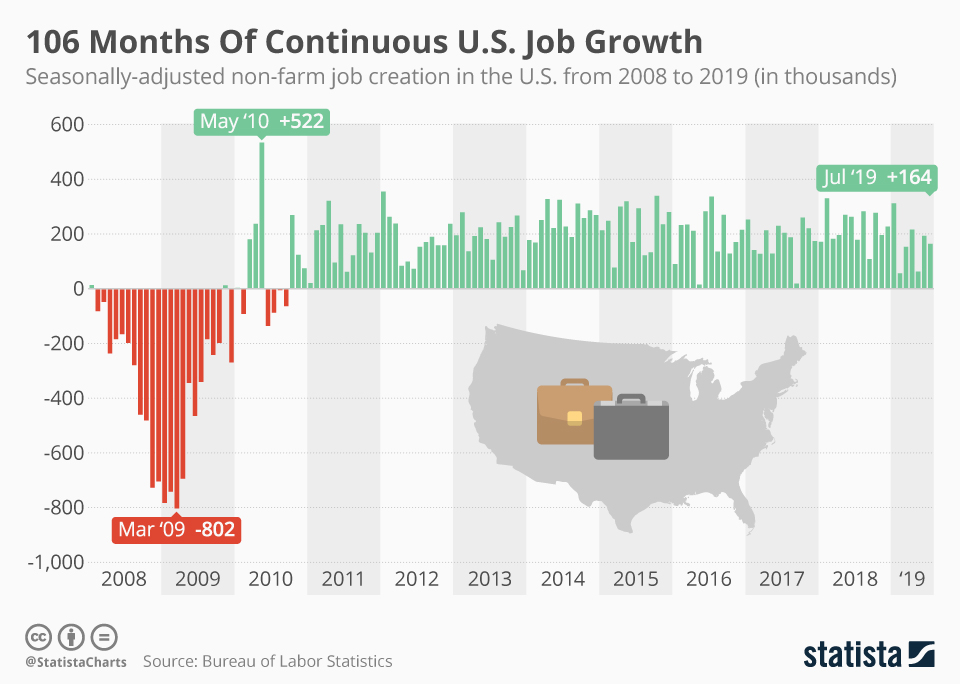
The U.S. job market is still producing gains, but the number that increasingly defines the recovery, labor-force participation, has slipped to a half-century low outside the pandemic. The participation rate edged down to 61.9 percent in March, its weakest reading since 1977, as an aging population trims the pool of available workers and the Trump administration’s immigration crackdown dampens labor supply. That leaves employers with fewer people to hire even when payroll growth looks solid, and it helps explain why the headline jobs picture can still feel tight underneath the surface.
That shortage is making the monthly numbers harder to read, and Wall Street has been paying for it. Forecasters missed the January, February and March jobs releases in quick succession, with February’s weak print partly tied to weather and a large healthcare strike, according to Wall Street’s forecast whiffs. Jonathan Pingle, a UBS economist, said he had never seen headline labor-market forecasting become this difficult over more than two decades tracking monthly data. When population growth slows and one-off disruptions move the data around, the usual rulebook gets less reliable.
For companies, the immediate effect is a smaller labor pool and a trickier hiring environment. For economists, it is a warning that monthly jobs data may keep swinging around a narrower trend, with immigration policy, demographics and temporary shocks all pulling in different directions. The labor market is not breaking, but it is becoming harder to gauge, and that can make every payroll release feel larger than one month should.