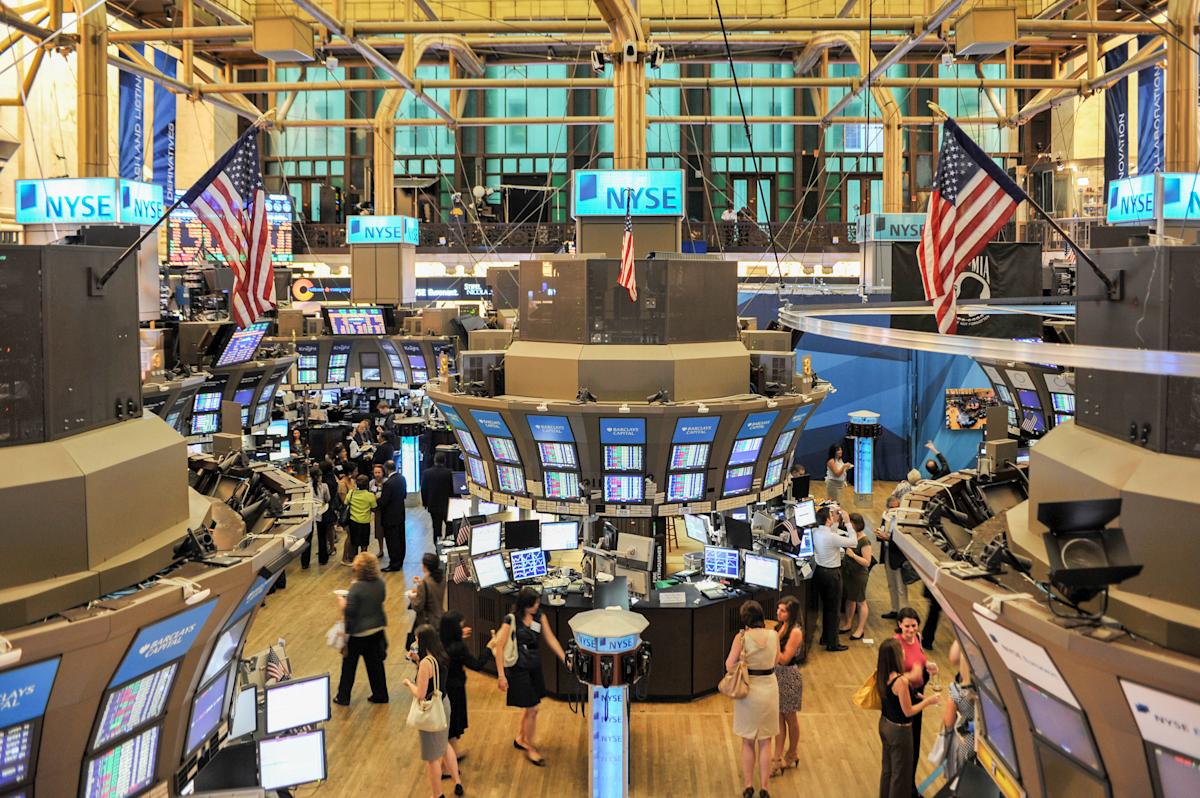
Wall Street has pushed back to record highs even as Brent crude has climbed back above $100 a barrel and the Strait of Hormuz remains closed, a sign that equity investors are treating the Iran war as a temporary shock rather than a growth threat. The S&P 500 and Nasdaq Composite hit new peaks on Wednesday, extending a rally that has carried both indexes more than 12 percent and 18 percent above their late-March lows.
That resilience rests on two bets: that the oil shock will not last long enough to crush demand, and that first-quarter earnings are still doing the heavy lifting. Nearly a fifth of S&P 500 companies have reported so far, and 86 percent have topped earnings-per-share estimates, while tech has regained leadership after earlier valuation anxiety.
The tension is that energy markets are still flashing danger. The Economist said global energy markets are on the verge of disaster, while Germany cut its 2026 growth forecast to 0.5 percent and blamed the conflict and the de facto closure of Hormuz for higher household and business costs.
For investors, the risk is that markets are pricing in the best-case version of the war before there is any real evidence it will stay contained. Some strategists are already calling the rally complacent, and if oil stays elevated or the conflict broadens, the current FOMO-driven bid could run headfirst into weaker earnings and faster inflation.