President Donald Trump has repeatedly promised a swift end to the war with Iran, telling reporters this week that a sweeping agreement could be finalized in two or three days. Over the past three months, he has signaled more than 30 times that a diplomatic resolution is nearly at hand. Instead, the U.S. and Iran traded military strikes, and Trump warned on social media that Tehran will pay a heavy price for delaying negotiations.
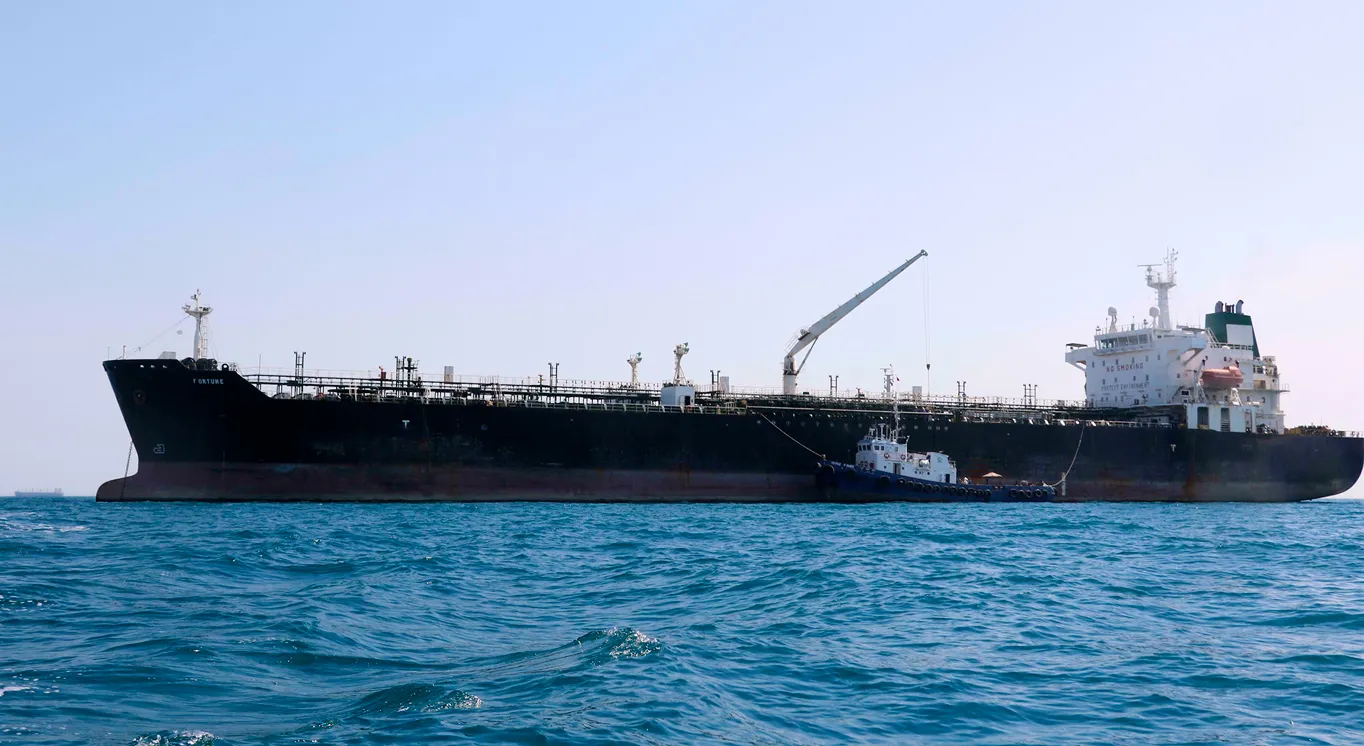
The prospect of a deal to reopen the Strait of Hormuz pushed West Texas Intermediate crude futures above $90.50 a barrel. The wartime energy shock is showing up in the broader economy, with headline consumer inflation at a three-year high of 4.2% in May.
The combination of inflation and renewed military escalation drove a broad selloff across major equity indexes on Wednesday:
- The Dow Jones Industrial Average dropped 953 points, its steepest percentage decline since late 2025.
- The technology-heavy Nasdaq composite fell nearly 2%.
- Nvidia and other semiconductor names posted losses as higher rates tend to hit growth stocks hardest.
Pressure on the Fed
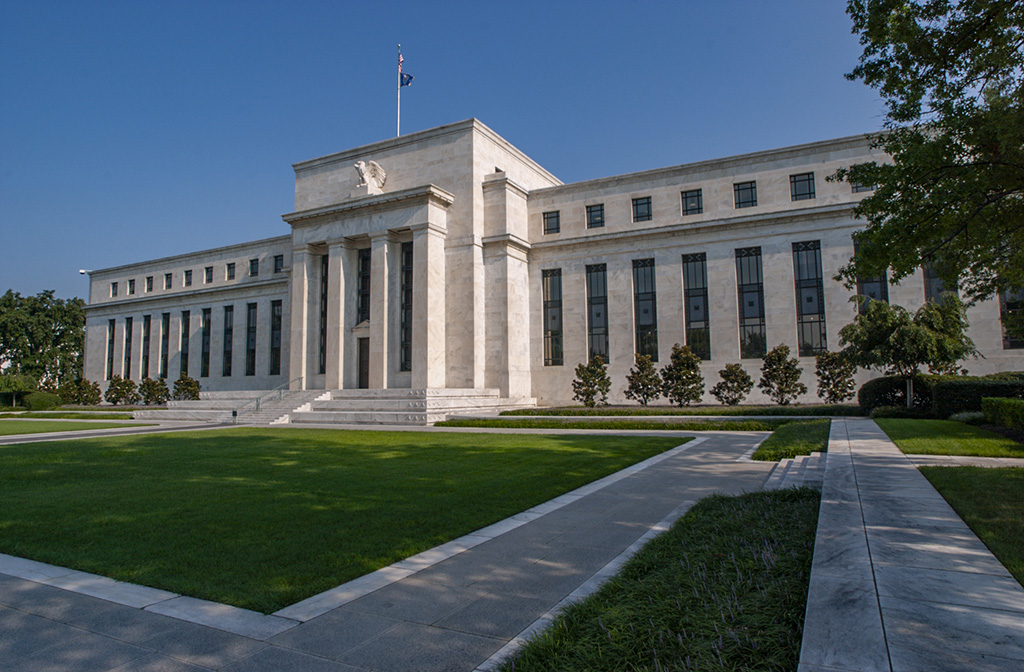
The inflation data complicates the outlook for Federal Reserve Chairman Kevin Warsh ahead of his first policy meeting. The central bank's current target rate sits between 3.5% and 3.75%, but the bond market is signaling that borrowing costs may need to climb higher to restrain strong artificial intelligence spending.
Traders are now pricing in at least one quarter-point rate hike by October. The yield on the policy-sensitive two-year Treasury note surged to 4.15%, moving well above the central bank's current policy band, while the 10-year yield sits near 4.55%.