
30-year Treasury yield hits 5.18% as Middle East conflict fuels inflation anxiety
The 30-year Treasury yield climbed to 5.18% on Tuesday, reaching its highest level since 2007 as conflict in the Middle East fueled global inflation concerns.
Ben Carter is a staff writer at P&L, covering markets, dealmaking, and public companies. He previously worked in equity research, focusing on valuation, earnings, and IPOs.
The 30-year Treasury yield climbed to 5.18% on Tuesday, reaching its highest level since 2007 as conflict in the Middle East fueled global inflation concerns.
Japan's economy grew at a 2.1% annualized rate in the first quarter, exceeding the 1.7% forecast on strong exports and consumption.
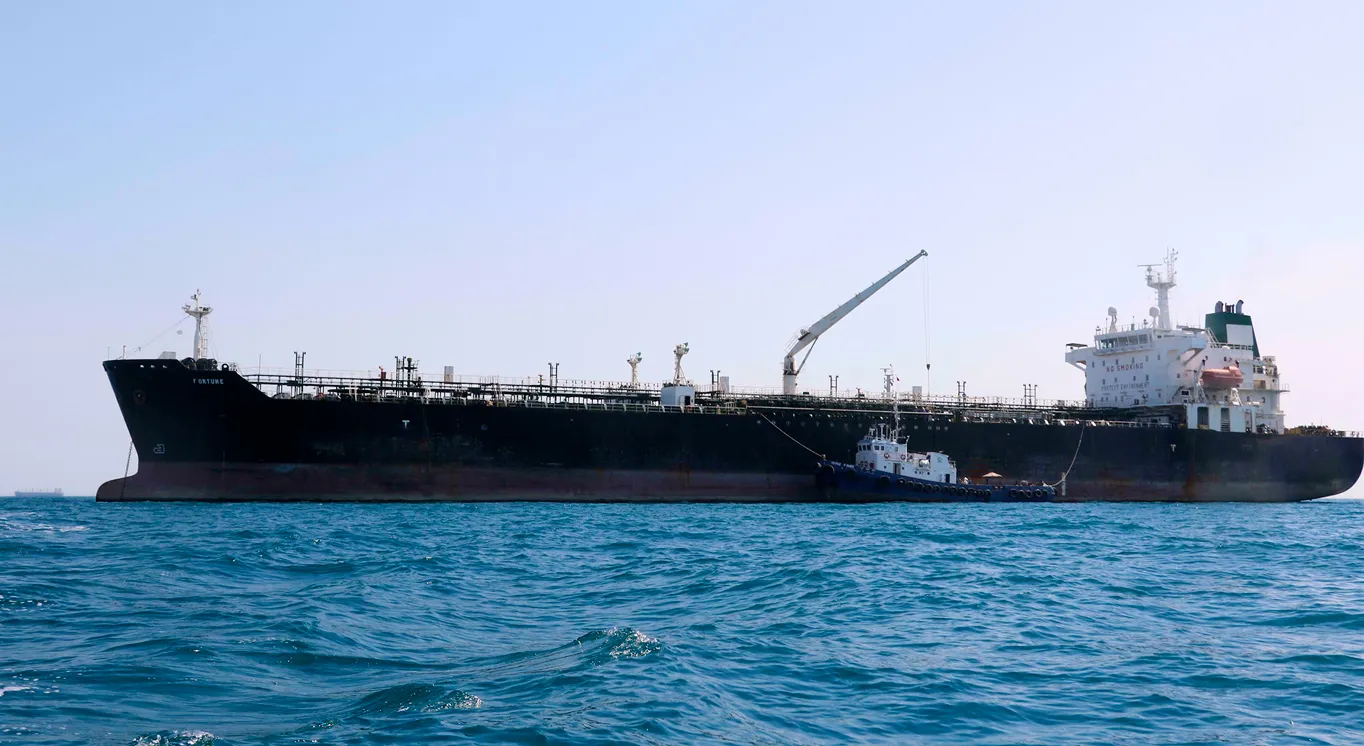
HFI Research warns that oil prices could surpass $150 a barrel if the Strait of Hormuz remains closed through early June.
Japan's annualized GDP grew 2.1% in the first quarter to beat estimates even as the Bank of Japan halved its full-year growth forecast to 0.5%.
The resource cold war has shifted power from markets to states as bottlenecks in energy and minerals drive inflation, industrial strategy, and defense planning.
Rising energy costs pushed annual inflation to 3.8% in April, driving the 10-year Treasury yield to its highest level in nearly a year.
President Trump warned Iran to act quickly as a U.S. blockade of Iranian ports and the closure of the Strait of Hormuz continue to stall regional diplomacy.
President Trump warned Iran to "get moving, FAST" or face destruction, pushing Brent crude futures up to $110.72 per barrel amid supply disruption fears.
China committed to purchasing at least $17 billion in American agricultural products annually through 2028 following a summit in Beijing.
The benchmark 10-year Treasury yield rose nearly 24 basis points to 4.6% this week as oil prices remained above $100 per barrel.
Nine linked Polymarket accounts achieved a 98% win rate on U.S. military milestones in Iran, generating over $2.4 million in profit.
Markets no longer clear energy and critical minerals because states now control the refining chokepoints that set prices, supply, and industrial leverage.