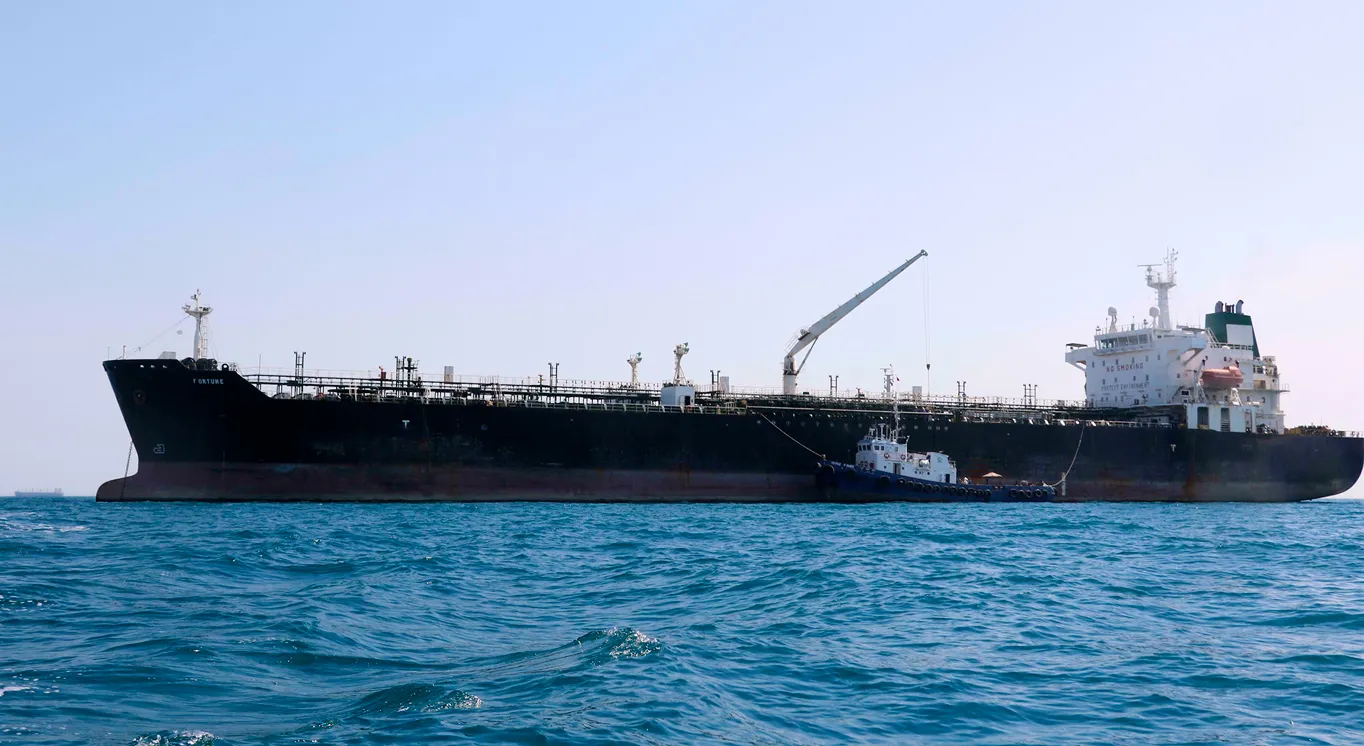
The World Bank cut its global growth forecast to a 2.5% expansion for 2026, the lowest outlook since the pandemic began in late 2019. The downgrade from a 2.9% expansion in 2025 stems from the war in the Middle East, which drags into its fourth month following strikes on Iran in late February. The conflict closed the Strait of Hormuz, driving up energy and fertilizer prices and renewing global inflation.
Worse scenarios
The bank built its baseline estimates on the assumption that Brent crude averages $94 a barrel this year. If the most severe energy supply disruptions end by July, global headline inflation is projected at 4%. Prolonged energy shocks would worsen the outlook. If Brent crude climbs to an average of $115 a barrel, global growth could slow to 2.1%. If that energy shock combines with severe stress in financial markets, global growth could drop to 1.3%.
The war forced the World Bank to lower forecasts for two-thirds of countries, with energy-exporting nations taking the heaviest hits. The revised estimates vary by region:
- The Middle East and North Africa saw the steepest cut, dropping 2.7 percentage points to 1.6% growth.
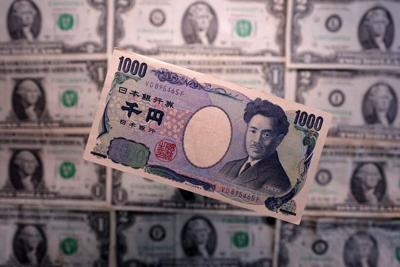
- The United States outlook remained steady at 2.2% for the year, while Japan is expected to grow by 0.7%.
- China faces a slight downgrade to 4.2% growth, while India is projected to expand by 6.6%.
Beyond the immediate wartime shocks, the World Bank noted the global economy is less resilient today than it was in 2008. Chief economist Indermit Gill expects global growth to improve to 2.8% in 2027 and 2028, but that remains below the average rates seen during the 2010s. The long-term slowdown reflects slower population growth, rising public debt, falling public investment, and weaker global trade.