Oil ran the whole week on Wall Street, and the pullback on Friday let the biggest US indexes claw back some ground. The Dow Jones Industrial Average rose 0.7% and the S&P 500 added 0.5%, while the Nasdaq stayed near flat as it steadied after Thursday's megacap-tech selloff.
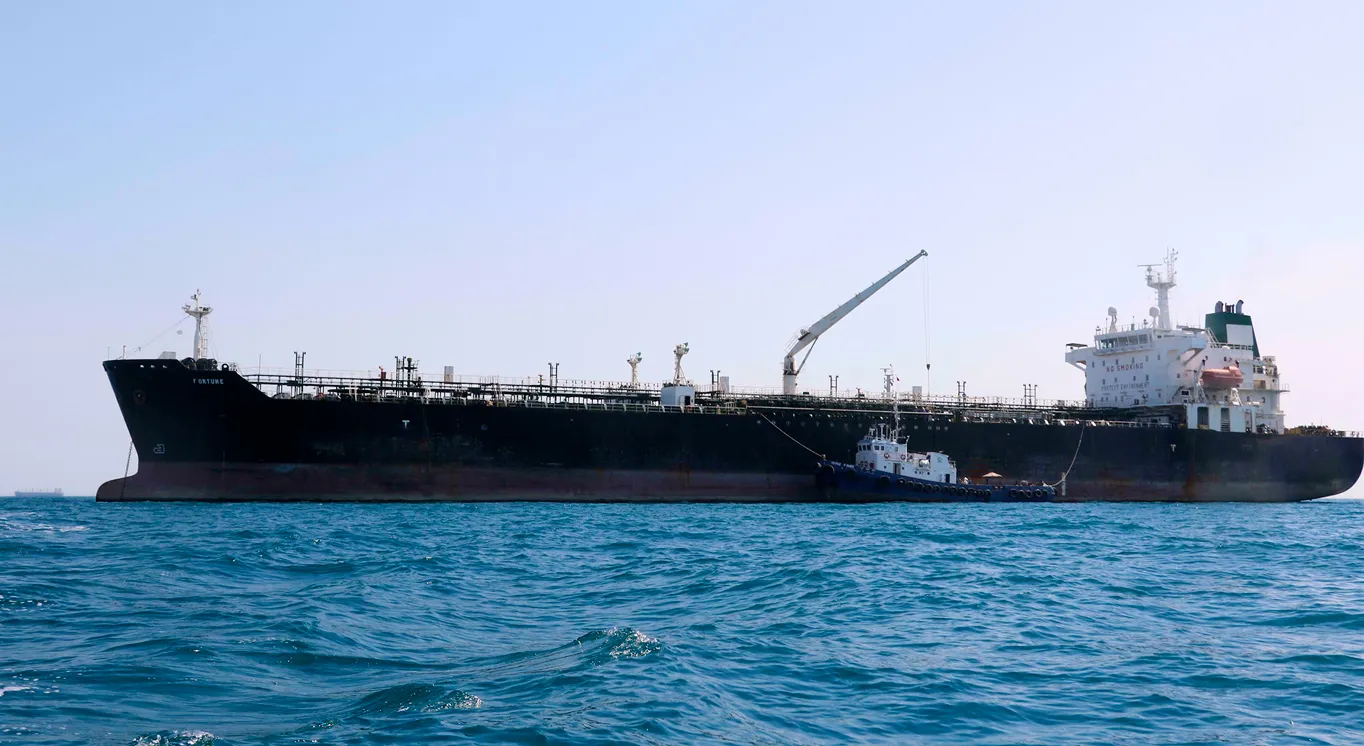
The move that mattered started a day earlier. Brent crude jumped about 7% on Thursday to close at $100.69 a barrel, its first trip above triple digits since late May, after Houthi rebels attacked tankers off the Red Sea coast of Saudi Arabia and President Trump threatened to escalate US strikes on Iran.
Benjamin Jones, global head of research at Invesco, said the Red Sea attacks raise the risk that another key export route is disrupted, after Saudi Arabia had leaned on its East-West pipeline to bypass the Strait of Hormuz. He expects crude to hold near or above $100 while the shipping disruptions persist.
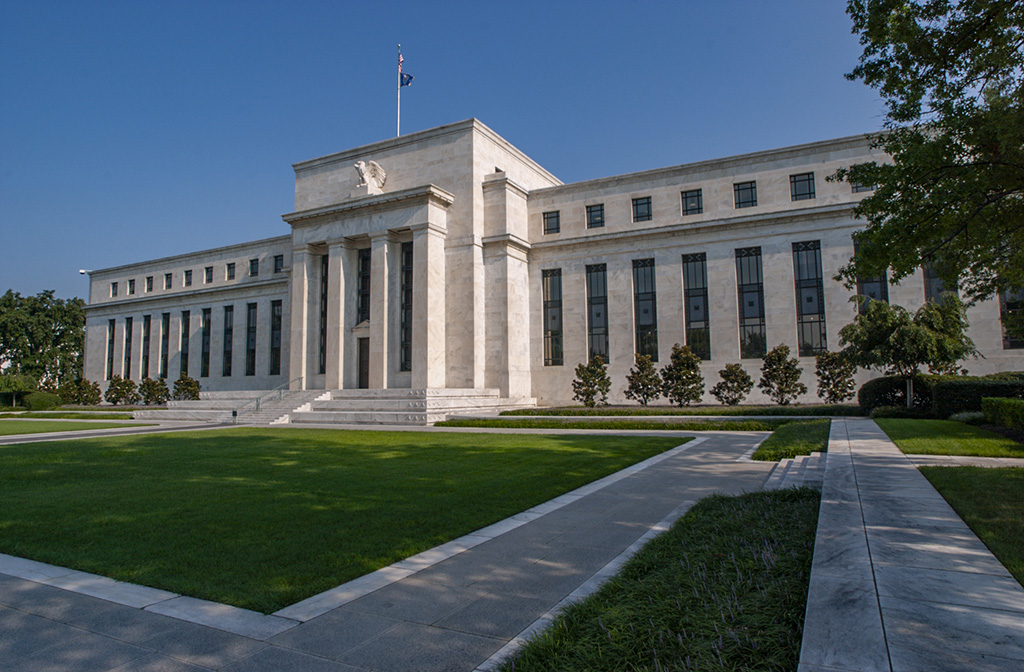
Higher oil fed straight into the bond market. As Brent crossed $100, the 10-year Treasury yield rose above 4.7%, its highest since January 15, 2025, and the 2-year yield, which tracks Fed expectations more closely, climbed to 4.353%. Weekly jobless claims came in at 187,000, below the 212,000 economists expected, which dimmed hopes of a rate cut.
On Friday the pressure eased in both markets. Brent crude fell about 5% to trade below $95 after Reuters reported that Pakistan, with Chinese backing, is exploring restarting US-Iran talks. The 10-year yield slipped one basis point to 4.693%.
Even so, all three major indexes were tracking toward weekly losses, and the oil story stayed unresolved. Trump was slated to meet Friday with advisors and senior cabinet members to decide whether to intensify the conflict with Iran.