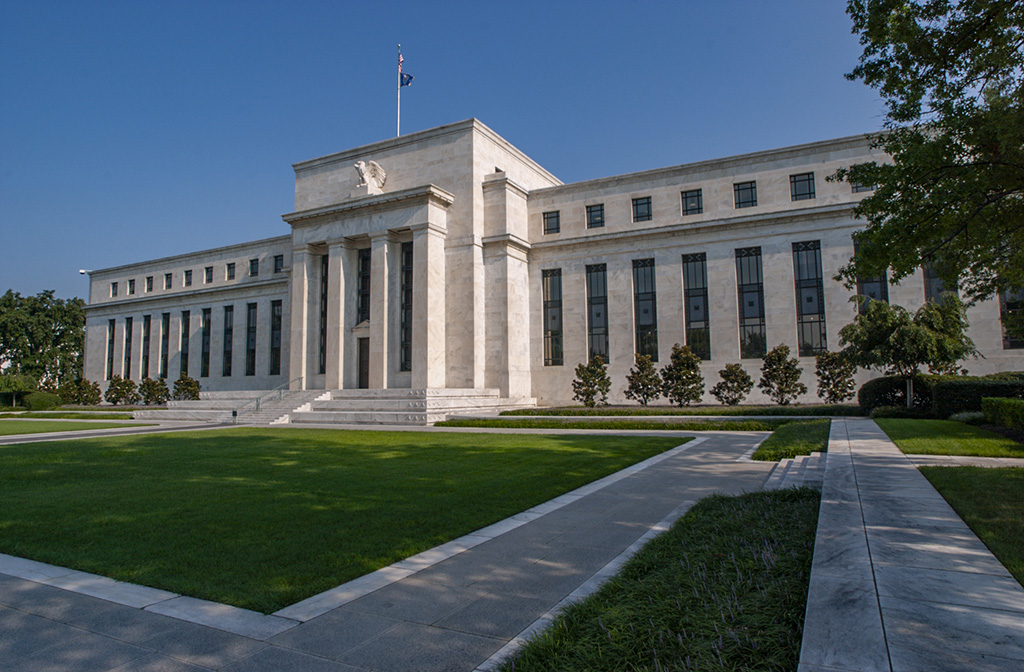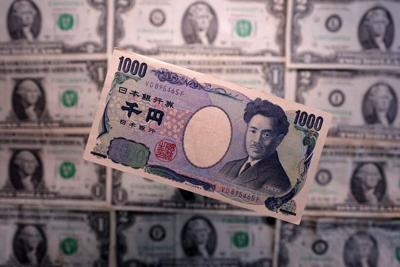
The U.S. Treasury stepped into the currency market on Friday to buy Japanese yen, joining Tokyo's own defense of a currency that had slid toward multi-decade lows. Acting as Treasury's agent, the Federal Reserve Bank of New York sold euros for yen, according to Reuters, which cited Financial Times reporting. It is Washington's first intervention on behalf of the yen in decades — a tool the Treasury has kept holstered through years of dollar strength.
The timing lands in an already-wobbly macro week at home: U.S. growth is expanding at a sluggish pace while mortgage rates hit their highest level in a year, per AP's weekly economic roundup.
Why it matters
- It's a signal, not a fix. Intervention doesn't change the rate differentials driving yen weakness. But a coordinated U.S.-Japan move raises the cost of shorting the yen and tells traders both capitals are watching the level.
- The euro leg is the tell. Selling euros rather than dollars lets Treasury support the yen without directly dumping its own currency — a technical choice with political subtext.
- Treasuries are in the blast radius. A firmer yen eases the pressure on Japanese investors to repatriate capital, which matters for the largest foreign holder of U.S. government debt.
- The domestic backdrop is soft. Slow growth plus year-high mortgage rates leaves the Fed threading a familiar needle.
What to watch: whether Treasury confirms the operation and discloses size, and whether the yen holds its bounce past the first full trading session — intervention that fades within days tends to invite the next test.