Daily

Food Inflation Surges Amid Fed Probe and Rate Debate

December food prices rose sharply while markets reacted to a Justice Department probe and Fed rate uncertainty.

Published
Est. Read Time
4 min read
Food Inflation Surges Amid Fed Probe and Rate Debate

Morning, this is what's shaping today's financial landscape.

  • Food prices surged 0.7 percent in December 2025, the fastest monthly increase since October 2022
  • Meat prices jumped sharply with beef and veal up 16.4 percent year-over-year, while coffee rose nearly 20 percent
  • President Trump demands the Federal Reserve cut benchmark rates to around 1 percent amid a criminal probe into Fed Chair Jerome Powell
  • Markets reacted mixedly to inflation and Fed uncertainty, with futures pricing in two quarter-point rate cuts in 2026
  • Political tensions and tariff-driven supply chain issues continue to pressure food costs and complicate monetary policy outlook
 

Market Snapshot

Assets Price 1 Day YTD
SPY $691.66 -0.08% +1.43%
QQQ $621.26 -0.08% +1.13%
DIA $493.42 -0.18% +2.71%
IWM $265.76 +0.09% +7.96%
BTC $95012.08 -0.26% +8.57%
10Y $4.23 +1.71% +1.63%
GOLD $4588.40 -0.61% +6.08%

As of Jan 17, 2026 10:25 PM ET • Data via Yahoo! Finance


Economy

December 2025 Food Prices Surge With Sharp Meat and Coffee Inflation

Article visual for December 2025 Food Prices Surge With Sharp Meat and Coffee Inflation

Recent data show that food prices accelerated sharply in December 2025, marking the fastest monthly increase since October 2022. Grocery prices rose by 0.7 percent from November to December, contributing to a 2.4 percent annual climb in food-at-home costs, according to the Bureau of Labor Statistics.

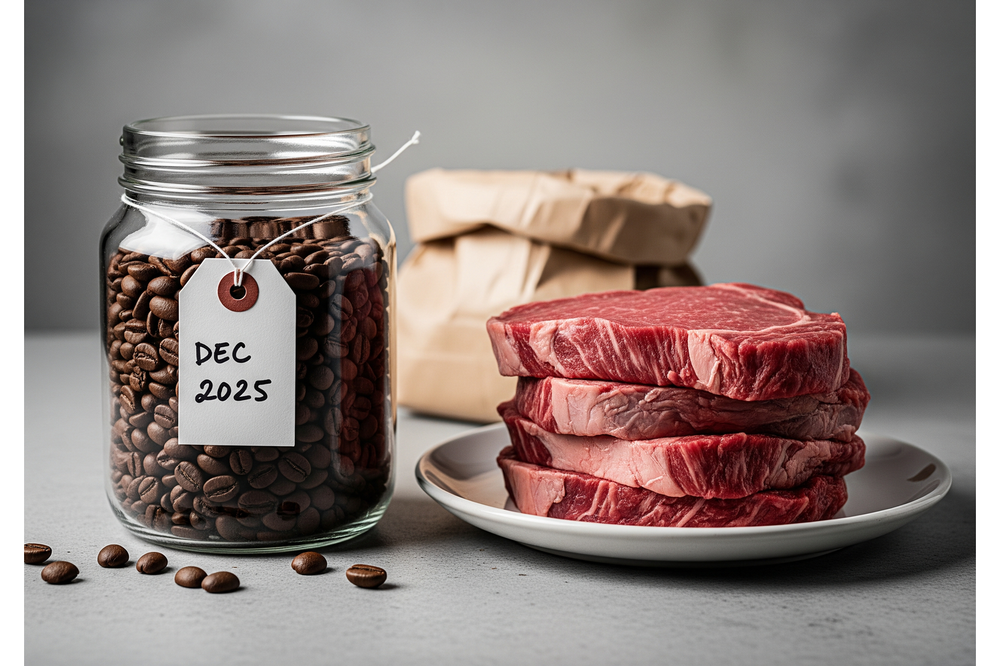
Prices for meat surged even more, with beef and veal increasing by 16.4 percent year-over-year and ground beef up 15.5 percent. Coffee prices jumped nearly 20 percent, adding to the pinch on American consumers. Fruits and vegetables also saw modest monthly increases.

This sharp rise contrasts with stable overall inflation rates toward the end of 2025, but grocery costs remain a visible and politically sensitive issue. Experts link continuing price pressures to supply chain effects and Trump's tariff policies, which have contributed to elevated costs for certain imported goods.

Despite the prior campaign promises from President Trump to reverse price hikes, food inflation has remained persistent. The data reveal that food price growth during Trump’s first year back in office outpaced that of the last year under President Biden, when grocery inflation was 1.8 percent annually.

Consumers can expect little relief in the near term as costs remain high across essential food categories. Monitoring food affordability will be critical as political pressure mounts to address inflationary challenges.
 

Economy

Trump Demands Sharp Fed Rate Cuts Amid Criminal Probe

Article visual for Trump Demands Sharp Fed Rate Cuts Amid Criminal Probe

President Donald Trump intensified his demands for significant interest rate reductions from the Federal Reserve even as a rare federal criminal investigation into Fed Chair Jerome Powell surfaced. The investigation relates to Powell’s testimony about a costly office renovation project, drawing headlines and political tension.

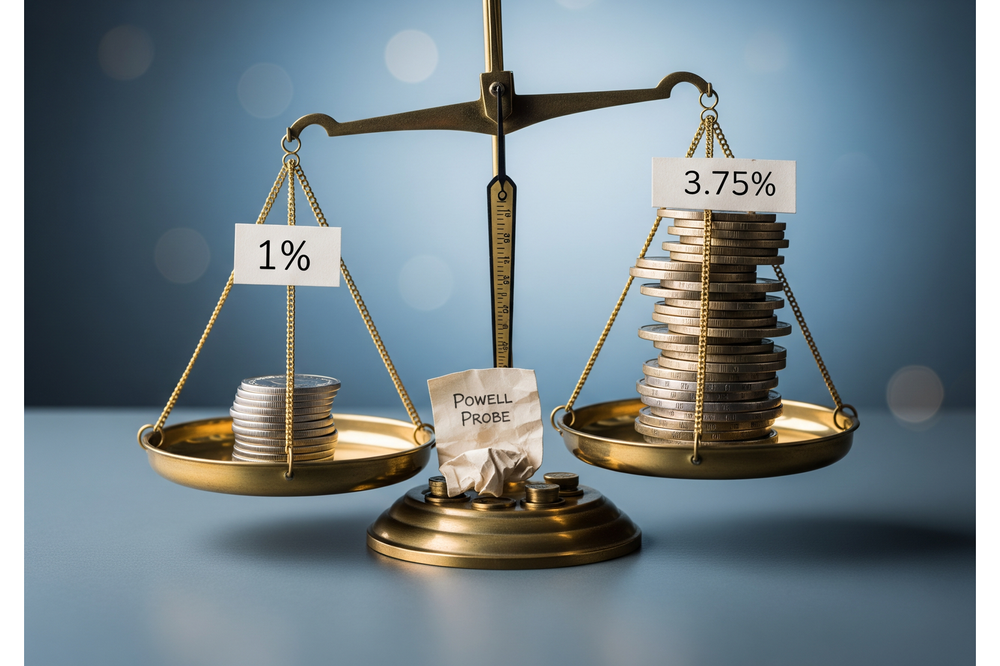
Trump tweeted calling for Jerome “Too Late” Powell to cut rates “MEANINGFULLY,” aiming for a benchmark rate around 1 percent or lower within a year. Currently, the Fed’s benchmark rate sits between 3.5 and 3.75 percent.

Economists largely criticize Trump’s rate cut proposals as dangerously inflationary. Analysts warn these deep cuts risk supercharging demand, exacerbating already elevated inflation and potentially worsening affordability issues.

However, one economist argued lower rates could boost the labor market and prevent economic slowdown. The Federal Reserve has already cut rates in three meetings starting September 2025, and futures markets price in two more quarter-point cuts in 2026.

Fed Chair Powell responded via a rare video message denouncing the probe as politically motivated. Policymakers stress the importance of preserving the Fed’s independence to manage its dual mandate of controlling inflation and maximizing employment.

As debates continue, investors and consumers will be watching closely for signals on the Fed’s next moves amid rising political pressure and economic uncertainty.


Markets

Markets Mixed Amid Rising Food Inflation and Fed Probe

Article visual for Markets Mixed Amid Rising Food Inflation and Fed Probe

Markets experienced mixed performance amid fresh inflation data showing stubbornly rising food prices and the ongoing debate over Federal Reserve interest rate policies. The news of a Justice Department criminal probe into Fed Chair Jerome Powell, though rare, did not immediately disrupt markets but added to uncertainty.

Following monthly CPI data pointing to a 0.7 percent jump in food prices in December, investors are weighing the likelihood and timing of further rate cuts. Futures markets currently price in two quarter-point interest rate reductions this year, with the first expected in April.

Rate-sensitive sectors, especially in tech and consumer discretionary, responded cautiously, while bond yields remained relatively stable. Traders are splitting between concerns over stubborn inflation and hopes that stimulus via lower rates could support economic growth.

Going forward, market participants will closely monitor upcoming inflation prints and Fed communications for clearer signals about the policy trajectory in a politically charged environment.


What to Watch Next

Key Economic Themes and Fed Interest Rate Outlook

  • Monitor food inflation figures, especially staple goods like beef and coffee, as price volatility affects consumer sentiment.
  • Watch Federal Reserve signals on interest rates following the Justice Department investigation of Chair Powell.
  • Track market expectations for Fed rate cuts priced at two quarter-point reductions during 2026.
  • Follow political statements from the White House influencing monetary policy debate.
  • Stay alert to how tariffs and supply chain issues continue to impact consumer prices.

Keep reading