Crypto markets are being pulled into a broader risk-off story as officials warn that asset prices are stretched and energy traders keep lurching between shock and relief. The sharper issue is not just volatility, but whether the next downturn arrives with stocks, credit and confidence all weakening at once.
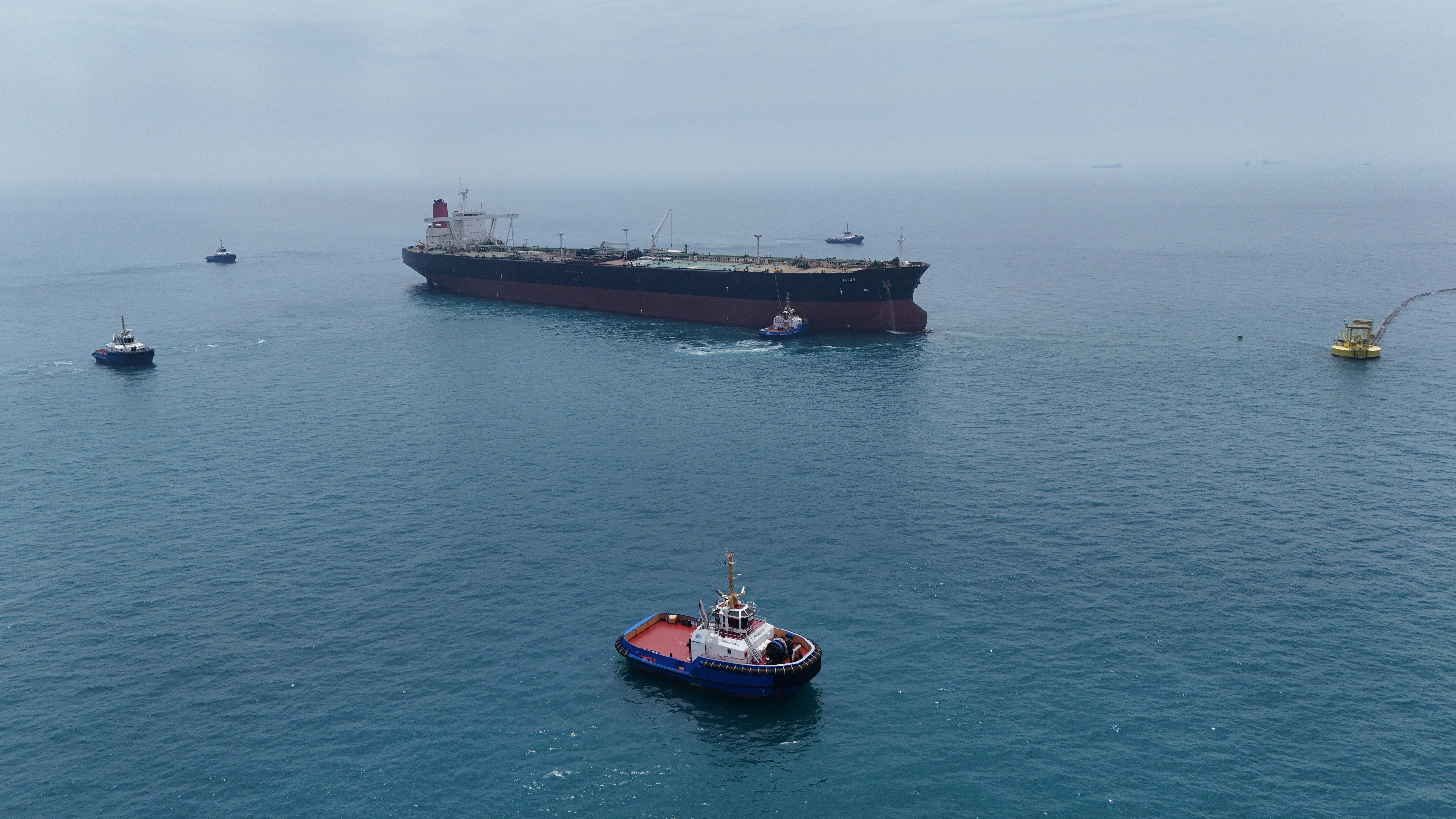
That is the backdrop for a market in which Brent crude dropped 10 percent to $90 a barrel after Iran said the Strait of Hormuz was open, then rebounded 5 percent within hours after Tehran attacked an Indian tanker, leaving prices still about $20 below their late-March peak. With oil trapped in the Gulf by an American blockade on Iranian exports, the repricing has kept traders on edge and added another macro shock to an already crowded list of worries.
For crypto, that matters because a disorderly move in oil and equities can quickly tighten financial conditions, even without a direct token-specific catalyst. Breeden said the danger is a “private credit crunch,” not a bank-led one, and that kind of stress would hit speculative assets first if investors start de-risking.
The next test is whether this geopolitical jolt feeds into the next round of inflation and liquidity data, or fades as just another false alarm. Traders will be watching whether Hormuz remains open and whether energy prices stabilize, because another escalation would likely harden the case for a broader selloff across risk assets, including crypto.