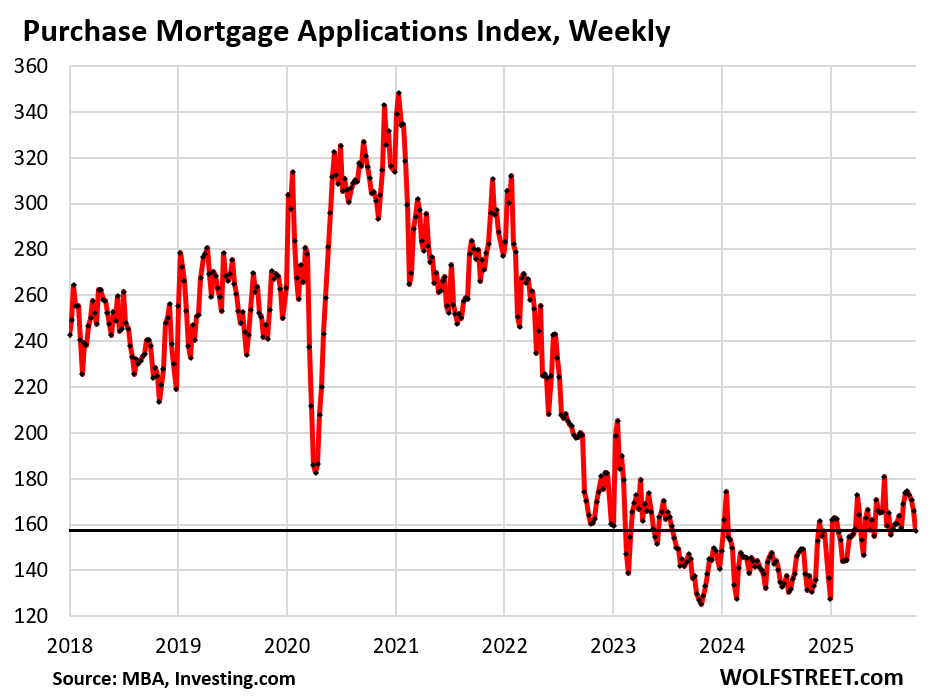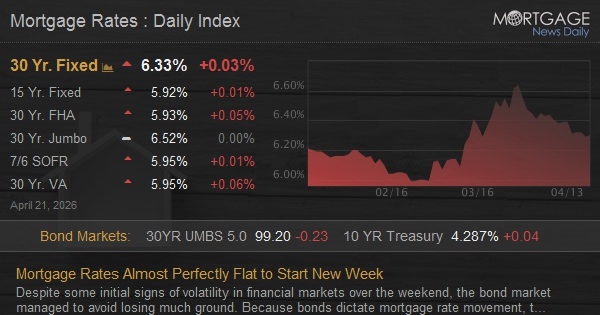
Mortgage rates have slid for a third straight week, nudging the 30‑year fixed mortgage down to roughly 6.23 percent and giving the spring market a renewed pulse. Freddie Mac’s data show rates at their weakest since mid‑March, and lenders are already seeing the effect: purchase applications rose about 10 percent in the latest week, according to the Mortgage Bankers Association cited by CNBC, while refinance activity also ticked up.
The move is not a straightforward victory for buyers. Mortgage pricing is closely tracking U.S. Treasury yields and swings in energy markets after the outbreak and tentative truce of the U.S. conflict with Iran. The Associated Press and Reuters both note that traders have priced in the fragile ceasefire and recent oil‑price gyrations, leaving rates vulnerable to rapid reversals if the geopolitical picture sours or if economic data push yields higher.
For buyers and sellers, the immediate consequence is a narrow window of improved affordability and activity that could reverse quickly. Freddie Mac’s chief economist said the current level represents the lowest spring rates in three years and pointed to rising purchase and pending‑sales metrics as signs of momentum Reuters reported, while housing analysts warn that sustained recovery requires a longer spell of rate stability and calmer energy markets, as the Bright MLS chief economist told AP. Watch Treasury yields, oil prices, and the ceasefire’s durability; any of those could erase this spring’s gains.