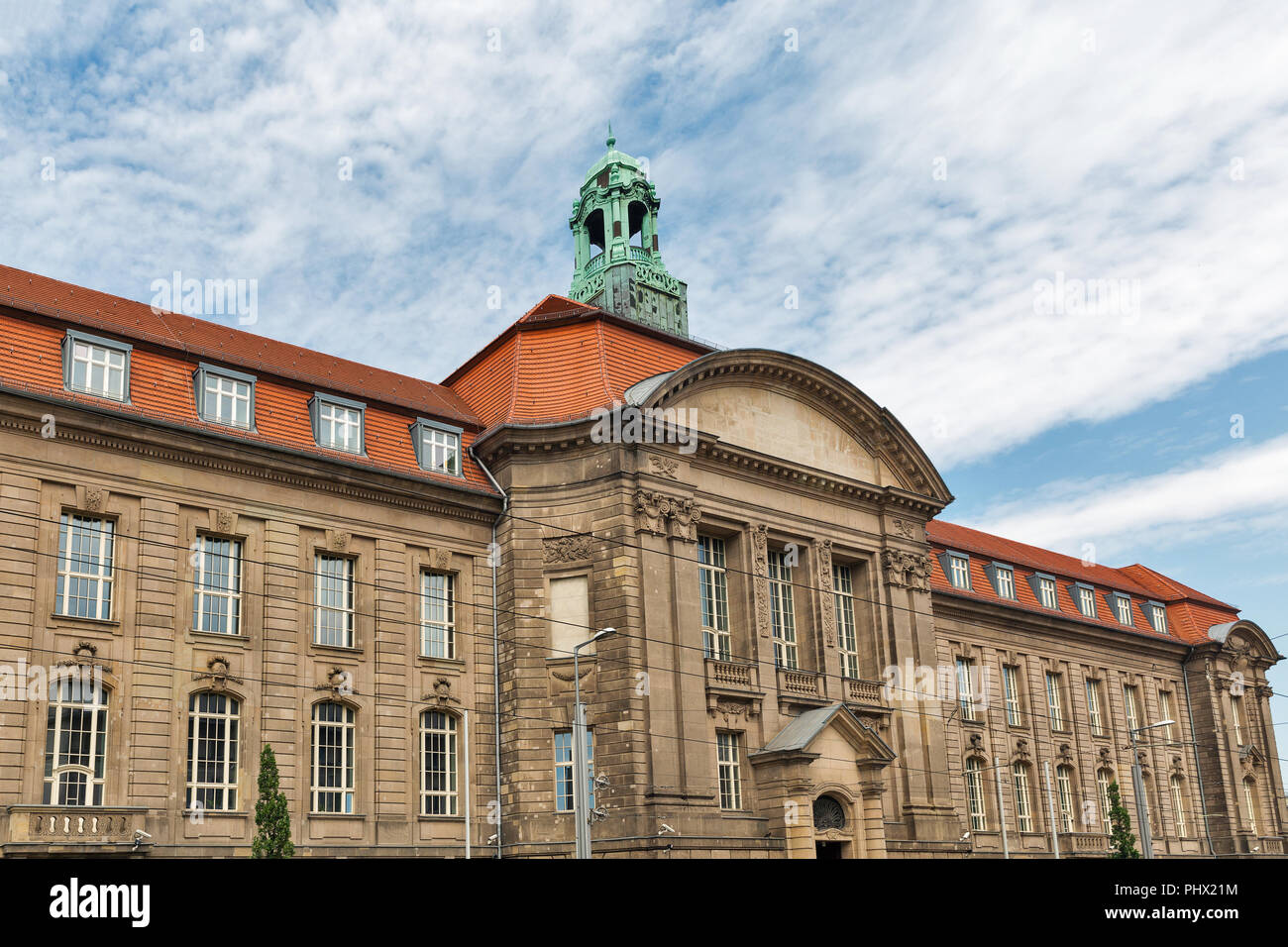
Germany is getting squeezed from both ends: the economy ministry cut its 2026 growth forecast to 0.5 percent from 1.0 percent, while lifting inflation expectations as the Iran war pushes up oil and gas prices. For Europe’s largest economy, that is an ugly combination, weaker demand on one side, pricier energy and raw materials on the other, with households and businesses absorbing the hit.
Economy Minister Katherina Reiche said the recovery is being held back by external geopolitical shocks, but the downgrade also underlines how little cushion Germany has left after years of slow growth. The ministry now sees inflation at 2.7 percent this year and 2.8 percent in 2027, and it does not expect exports to rise year over year until 2027, when they are forecast to grow 1.3 percent. That leaves domestic demand doing most of the heavy lifting, with private consumption and state spending on infrastructure and defence propping up activity rather than the old export machine.
The fiscal twist is that weaker growth gives Finance Minister Lars Klingbeil a little more room to borrow under Germany’s debt brake, adding an estimated 2.7 billion euros for the 2027 budget. That is not a growth strategy, just a bit more breathing space, and Reiche was blunt that short-term energy relief will not fix Germany’s deeper problems. She is now pressing for lower taxes, cheaper energy and less bureaucracy, with a trip to China in May to discuss trade tensions with a key partner.


