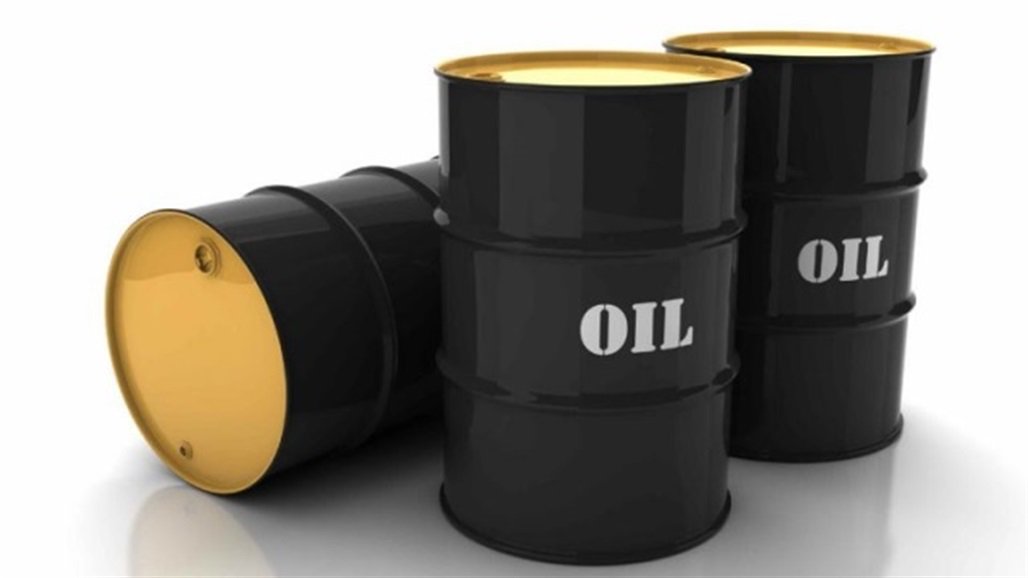
Markets are treating the Middle East like a bad headline they can trade through, even as the story keeps getting messier. President Donald Trump’s ceasefire extension has sent Japan and South Korea to record highs, but Tehran has rejected talks, seized ships in the Strait of Hormuz and kept the oil market on edge. Brent crude pushed back above $100 a barrel and West Texas Intermediate held near $93, a reminder that investors are celebrating a truce that is not behaving like one.
That split screen carried into U.S. trading, where the S&P 500 and Nasdaq hit fresh records despite the shipping disruptions. Japan’s Nikkei 225 and South Korea’s Kospi also set intraday highs, helped by strong tech buying and, in Seoul’s case, better-than-expected first-quarter growth. South Korea’s chip giant SK Hynix added another boost with record profit and revenue, underscoring how the AI trade is still overpowering geopolitics for now.
Wall Street’s own mood looks increasingly one-way. Bank of America’s derivatives team says U.S. equities are showing more bubble-like behavior, with semiconductors and other momentum pockets stretching into extremes. The Nasdaq-100 has now stacked up a long winning streak, and strategists are pairing bullish call-spread bets with hedges against a geopolitical shock. That is the trade in a sentence: chase the rally, but keep a hand on the emergency brake.
Corporate results are feeding the same pattern. Tesla beat expectations on earnings and revenue, but the stock slipped after Elon Musk warned that Hardware 3.0 will not deliver the unsupervised self-driving promise investors had been banking on. In a market this hungry for upside, even a decent quarter can get swamped by one ugly sentence.