The U.S. Bureau of Labor Statistics logo, used for identifying the agency and its publications.
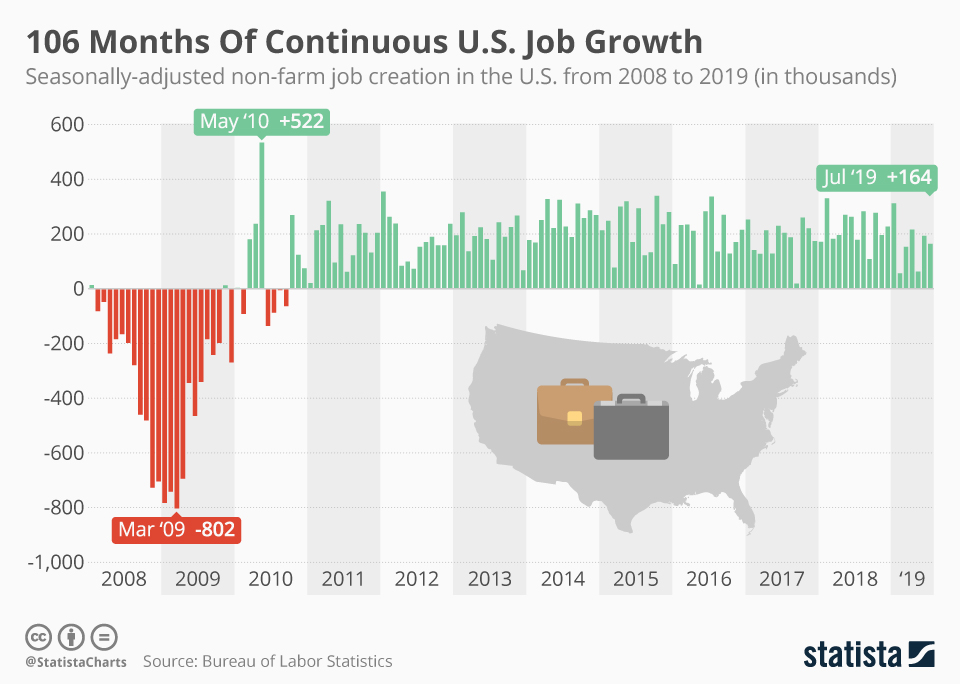
March’s jobs report gave the labor market a jolt of relief after February’s ugly stumble: employers added 178,000 jobs, far above expectations and enough to pull the unemployment rate down to 4.3 percent. The rebound was helped by a snapback in health care hiring after nurses returned from strikes, but the gains were not limited to one sector. Construction and transportation also added workers, a sign that the economy still has some muscle even as it loses speed.
That strength comes with an asterisk. February’s drop was revised to a steeper 133,000-job loss, and the first quarter averaged just 68,000 jobs a month, which is a softer pace than the headline suggests. Economists quoted by CBS said March looks more like a reversal of strike and weather distortions than a fresh burst of momentum, and several pointed to broader strains already creeping into the data, including slower job creation, a smaller labor force and more long-term unemployed workers.
The policy stakes are immediate. A stronger report gives the Federal Reserve less reason to cut rates soon, especially with multiple analysts now expecting no reduction this year despite the central bank’s March signal that one cut was still possible in 2026. The jobs data also land as higher fuel costs, tied in the reporting to the Iran war, threaten to pinch companies later this year, and that could drag hiring back down if energy bills stay elevated.
There is still a split screen in the labor market. Polling cited in the report showed many Americans think it is a bad time to find work, especially younger workers, while layoffs remain relatively muted for now. Employers are hiring again, but the easy version of this recovery is over, and the next phase will hinge on whether demand holds up without forcing the Fed’s hand.