Mortgage rates jumped to a nearly four-week high on Wednesday, with the average 30-year fixed rising to 6.45% as Iran headlines pushed oil higher and bond yields followed. That is the highest mortgage rate since April 3.
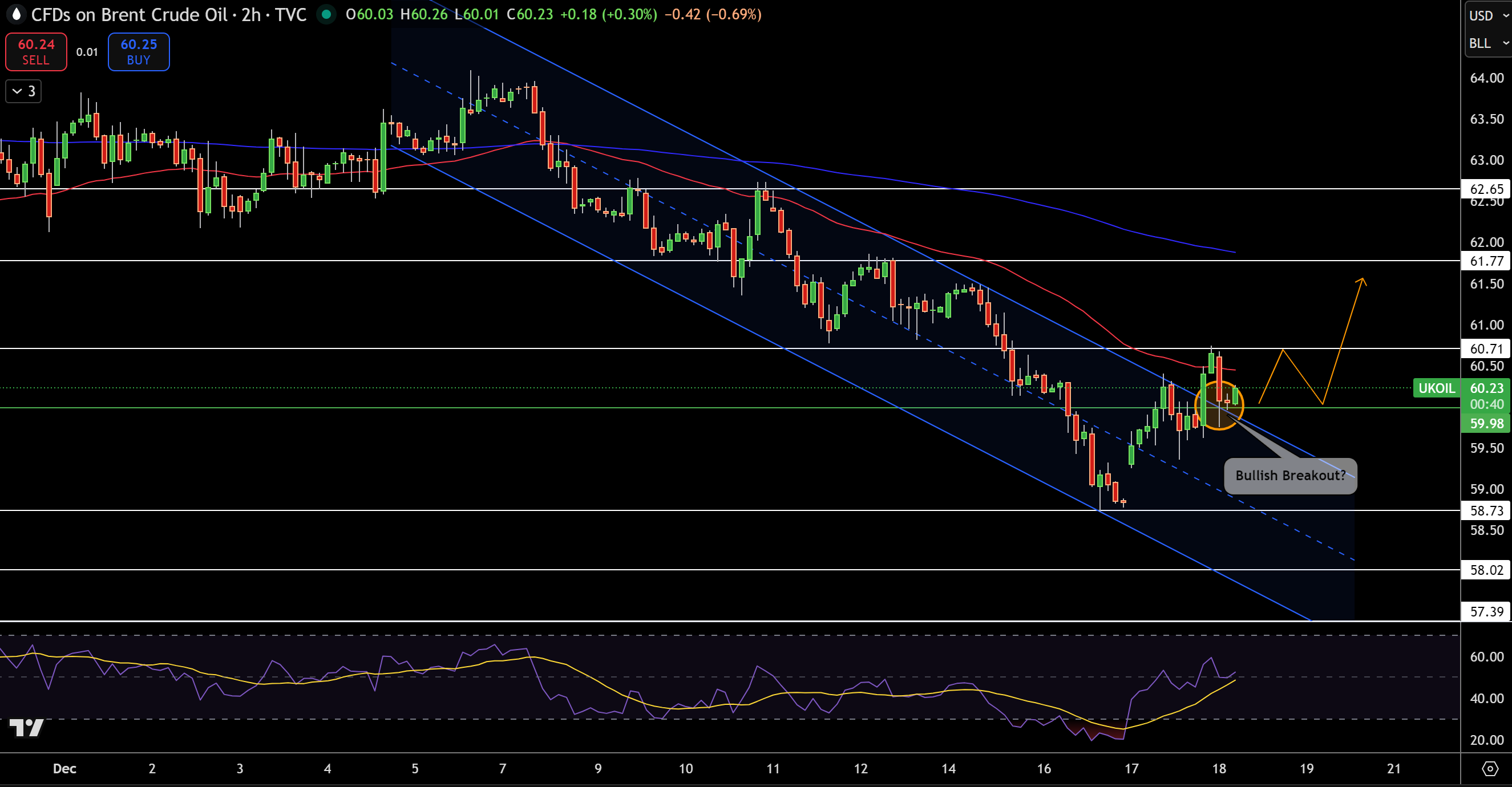
The move matters because the bond market is no longer treating the war as a contained energy shock. Brent crude is back above $109 a barrel, the 10-year Treasury yield is around 4.39%, and mortgage rates are tracking that pressure more directly than anything the Fed does this week.
The Fed is still expected to hold rates steady at Jerome Powell’s final press conference, but the market has already changed its mind about how much relief is coming. Oil-driven inflation risk is now a reason to keep yields elevated, not a temporary spike to fade.
- Mortgage applications to buy a home were still 21% higher year over year last week, which suggests buyers have not disappeared even as rates climb.
- The 10-year Treasury yield was 4.39% on Wednesday, up from below 4% in early March.
- Oil’s move is doing more than hit energy stocks; it is feeding directly into housing affordability and the cost of new borrowing.
That leaves spring housing data as the near-term tell. If oil stays near current levels, the Treasury market has to price in stickier inflation, and mortgage rates can keep ratcheting higher even if the Fed stays on hold.
Watch the Fed’s statement Wednesday and the next move in crude: if either gives up the idea of de-escalation, the current rate spike is probably not the last one.