Source: PBS
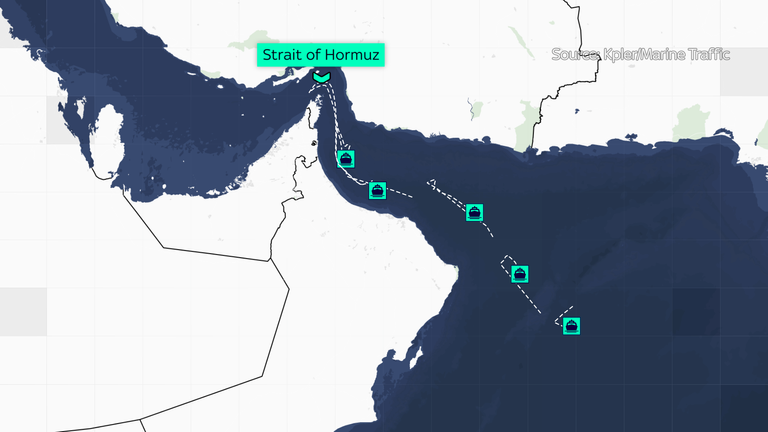
As the war involving Iran, the United States and Israel enters its fourth week, the Strait of Hormuz has become a central pressure point because it is a conduit for around a fifth of global oil and liquefied natural gas, or LNG, supplies. The broader backdrop is that Tehran is rebuffing efforts to identify a diplomatic off-ramp, while regional officials say Iran sees leverage in the disruption it can cause around the waterway.
Iran’s public line is that the strait remains open to all shipping except vessels linked to what Tehran calls its enemies. Ali Mousavi, Iran’s representative to the International Maritime Organisation, also said Iran would cooperate to improve maritime safety and that passage was possible through security and safety coordination with Tehran.
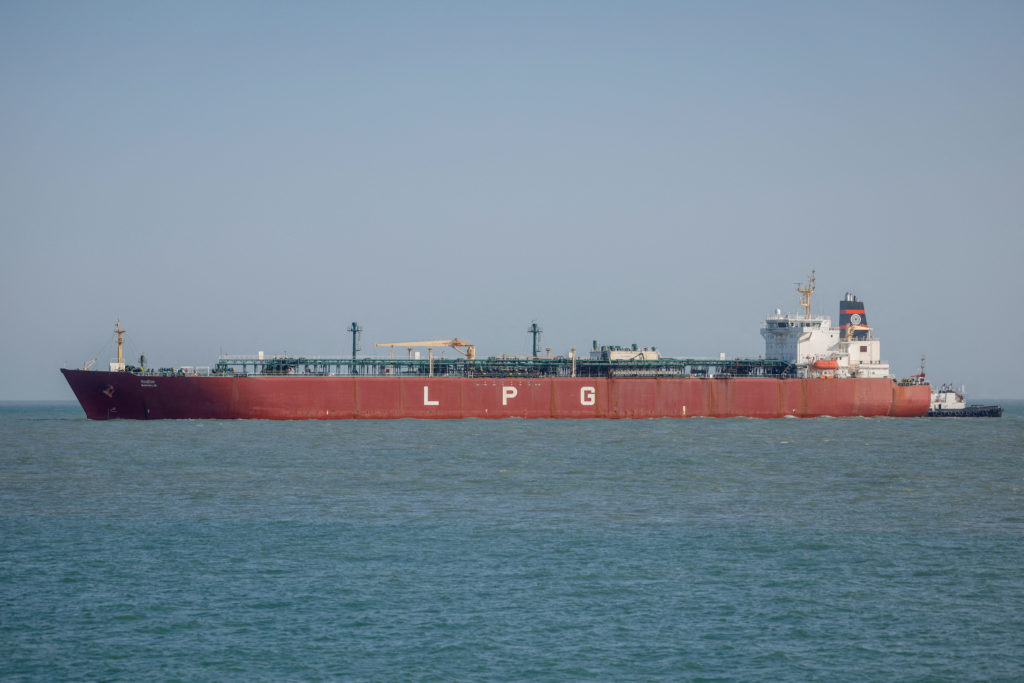
That assurance has not restored normal traffic. Reuters reported that the threat of Iranian attacks has kept most ships from getting through the narrow passage, and The Independent said tanker traffic through the waterway has effectively ground to a halt. The commercial stakes are global because Hormuz is a chokepoint for energy exports from the Gulf, so even partial disruption can ripple into fuel costs far beyond the region.
President Trump has responded with a direct ultimatum, warning that if Iran did not fully open the Strait of Hormuz within 48 hours, the United States would target Iranian power plants. Iranian officials, for their part, have continued to say that diplomacy remains Iran’s priority, while arguing that Israeli and U.S. attacks created the current situation in the strait.