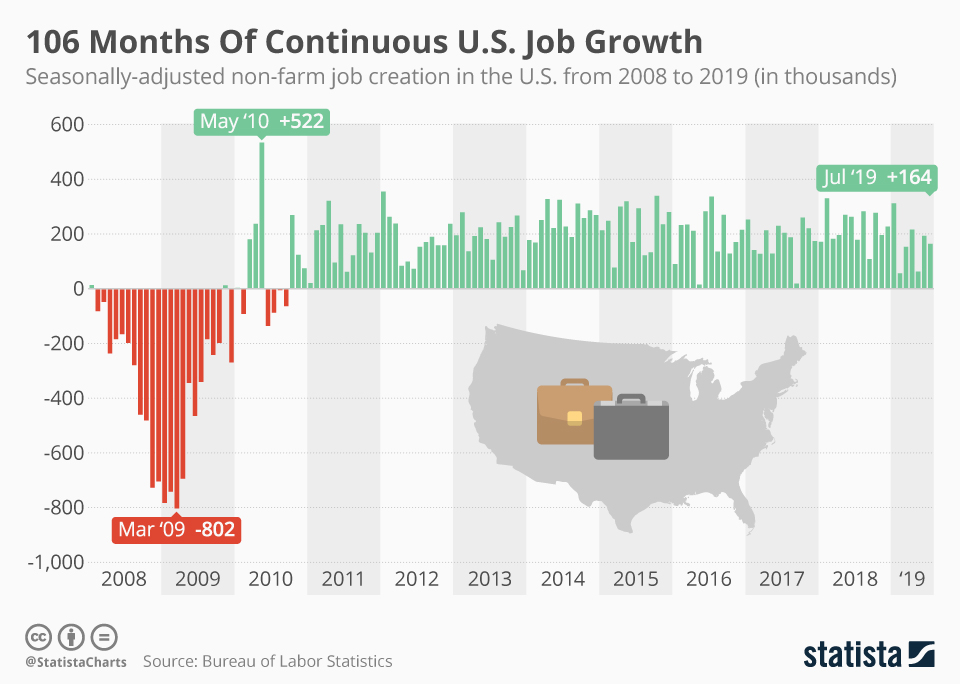
March’s jobs report gave the labor market a much-needed jolt, with employers adding 178,000 jobs, far above expectations for a much softer month. The unemployment rate edged down to 4.3 percent, and the rebound was broad enough to show real strength in parts of the economy, even if some of the bounce was mechanical after February’s strike- and weather-hit slump. Health care led the way with 76,000 new jobs, while construction and transportation also posted solid gains.
The February numbers had been revised down sharply to a loss of 133,000 jobs, underscoring how distorted the prior report had been by strikes and winter storms. That makes March look less like a sudden hiring boom than a snapback, and several economists said the broader trend is still closer to recalibration than acceleration. Federal employment fell again, by 18,000, adding a small but steady drag from Washington.
For the Federal Reserve, the report is awkward in the right way: strong enough to delay urgency, but not strong enough to erase the mix of slowing job creation, a shrinking labor force and more long-term unemployment. Analysts said the numbers should keep the Fed on hold for now, even after officials last month left rates unchanged and still penciled in one cut for 2026. Higher energy prices tied to the Iran war could complicate that path, since hotter fuel costs may force firms to pull back on hiring later this year.
That leaves the labor market in a tense spot: still resilient enough to avoid alarm, but facing fresh pressure from energy costs, weak sentiment among workers and signs that younger jobseekers are having a harder time breaking in. Layoffs remain muted for now, yet the question is whether March marks the start of a steadier run or just a relief bounce before the next hit.