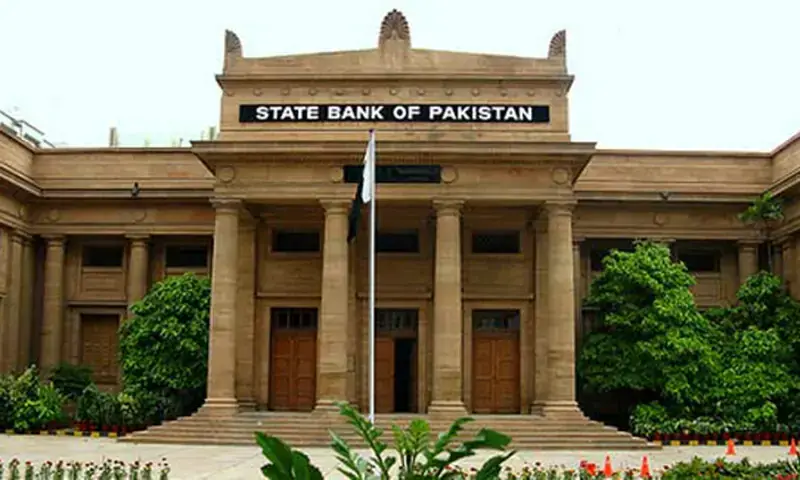
Pakistan is about to lose one of its quietest financial shock absorbers. Abu Dhabi has asked for the immediate return of a $2 billion deposit that had been sitting at the State Bank of Pakistan, and Islamabad plans to repay it by the end of April.
The money was not a typical project loan. It was a balance-of-payments backstop, parked as a “safe deposit” at the central bank and historically rolled over year to year, according to the report. The rollover pattern had already tightened, with the deposit extended in short increments into mid-April, and Pakistan reportedly paying around 6 percent interest.
The trigger, per the cited sources, was geopolitics: the UAE’s request comes “in the wake of” the US-Israel war on Iran and the broader Middle East shock that followed. For Pakistan, the timing is awkward because these deposits are part of the scaffolding that keeps external financing plans standing; the report says Pakistan needed rollovers of roughly $12 billion this fiscal year, including $3 billion placed by the UAE alongside funds from Saudi Arabia and China.
Pakistan can make the payment, with the report putting reserves at more than $21 billion, but writing the check reduces breathing room quickly. That leaves Islamabad more exposed to whatever comes next: higher external funding needs in coming months, less certainty around rollover diplomacy, and a reminder that in a region in flux, even “safe deposits” can turn into a same-month cash call.