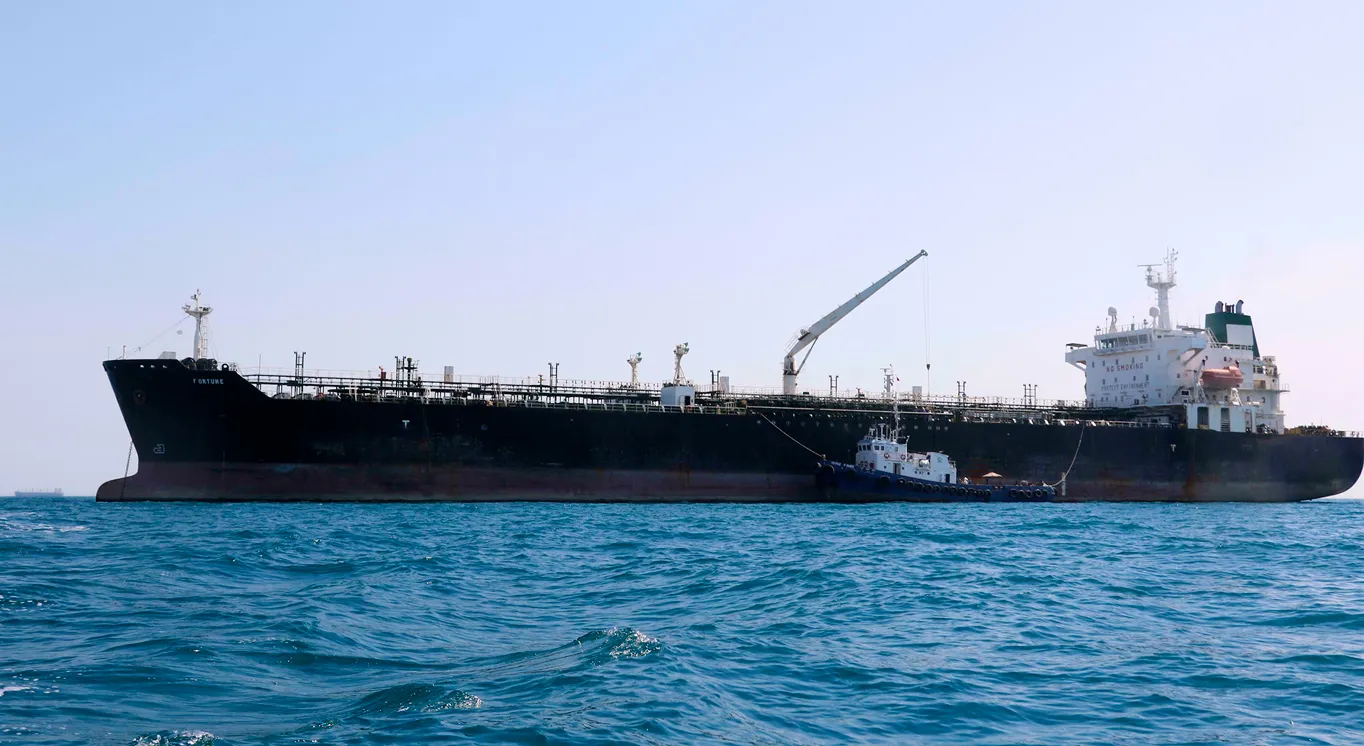
Peace talk is cheaper than oil. U.S. stock futures nudged higher Thursday and crude prices slipped as Iran-Oman talks appeared to make progress toward reopening the Strait of Hormuz, the chokepoint that has kept a war premium stapled to every barrel. Dow futures added 113 points, or 0.21%, a day after the blue-chip index closed at a record high. Europe joined in: European shares scaled a record peak on a mix of earnings and U.S.-Iran optimism.
The logic chain is short: fewer supply disruptions means cheaper energy, which means less imported inflation, which means less pressure on the Fed to stay tight. Treasury yields eased and the dollar softened accordingly.
Why it matters
- Oil is doing the disinflation work that central bankers can't do themselves. A sliding barrel gives the Fed cover to lean dovish without declaring victory.
- Records are being set on a headline, not a signed deal. Diplomacy that stalls would put the Hormuz premium — and the inflation math — right back where it was.
- Earnings are still the other engine. Wall Street is grinding through another heavy reporting day, and Europe's record leaned on results as much as geopolitics.
Next up: Friday's July jobs report. A Reuters survey of economists expects nonfarm payrolls to rise 80,000 after June's 57,000 — a number soft enough to keep rate-cut hopes alive, but weak enough that a miss would flip the mood from goldilocks to growth scare in a hurry.