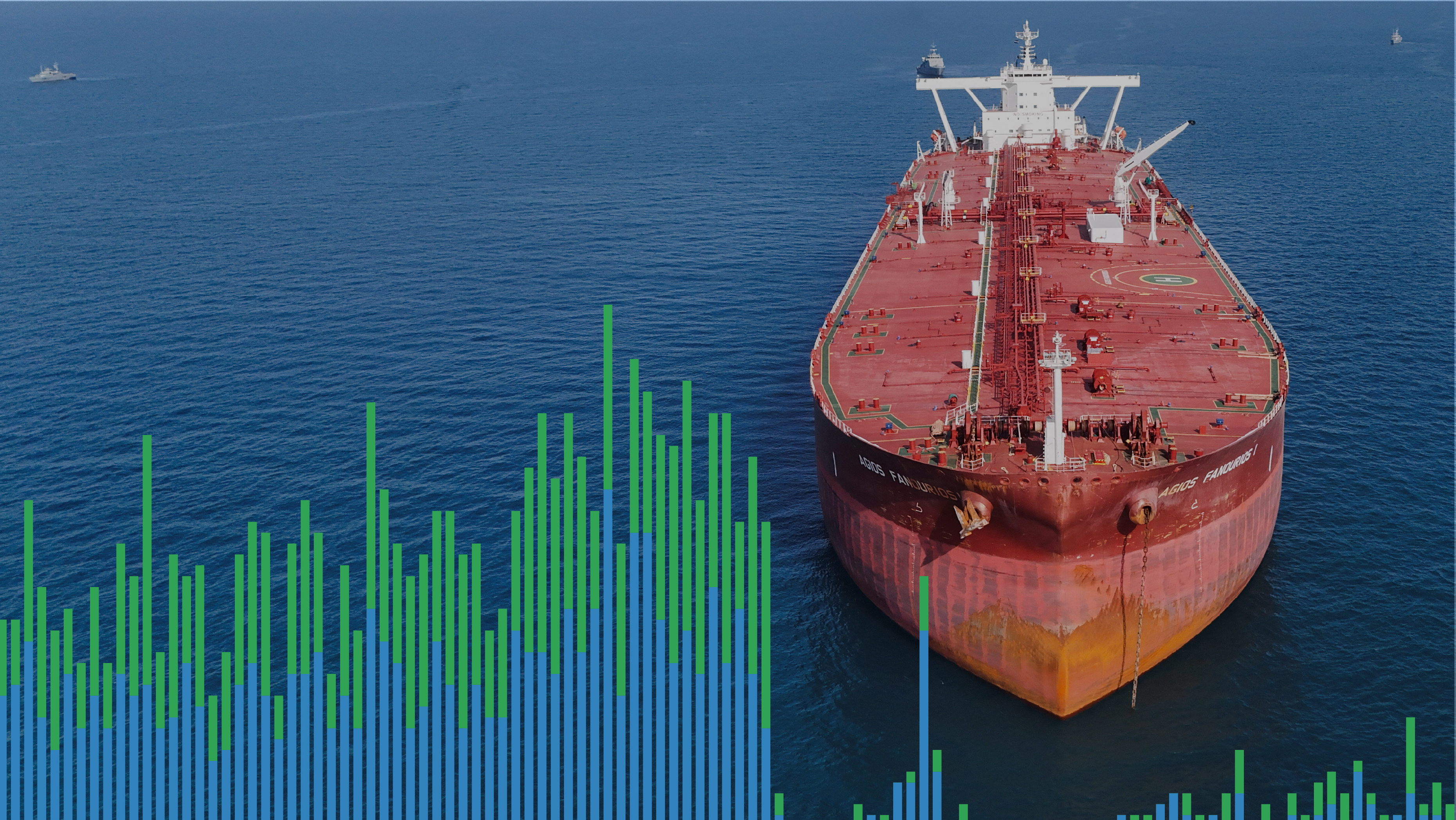
Traffic through the Strait of Hormuz has not snapped back after the ceasefire, it has settled into a thin, fragile trickle. AXSMarine data shows only 446 confirmed crossings from 1 March to 21 April, or 8.6 a day, versus a pre-conflict baseline of 115.7, with the corridor briefly spiking and then collapsing again when political signals flipped.
That recovery never really arrived because the traffic that is moving is doing so under special conditions, not normal commercial confidence. The shipping data shows March tanker crossings were dominated by sanctioned, ghost-fleet or opaque-ownership vessels, while April’s better day, 18 April, was driven by a narrow window in which four VLCCs, including COSPEARL LAKE and HE RONG HAI, crossed in one day. The pattern points to operators reacting to risk signals and exemptions, not a broad reopening of the trade lane.
For mainstream carriers, that leaves the strait looking less like a reopened route than a corridor they still avoid. Container shipping was the starkest example, with only one Western liner operator moving in March and one German-owned vessel reappearing after a month-long blackout in April, while many of the ships still transiting are linked to sanctioned or opaque fleets. Even with the ceasefire, the baseline remains broken, and that keeps pressure on owners, insurers and charterers who need predictable passage.
The next test is whether the political truce holds long enough for traffic to clear beyond those stop-start bursts. BMI says a lapse or only partial extension of the ceasefire would push normalisation well into H2 2026, while the AIS data suggests the market will respond within hours if the signal changes again. Until then, the Strait remains open in name but constrained in practice.