
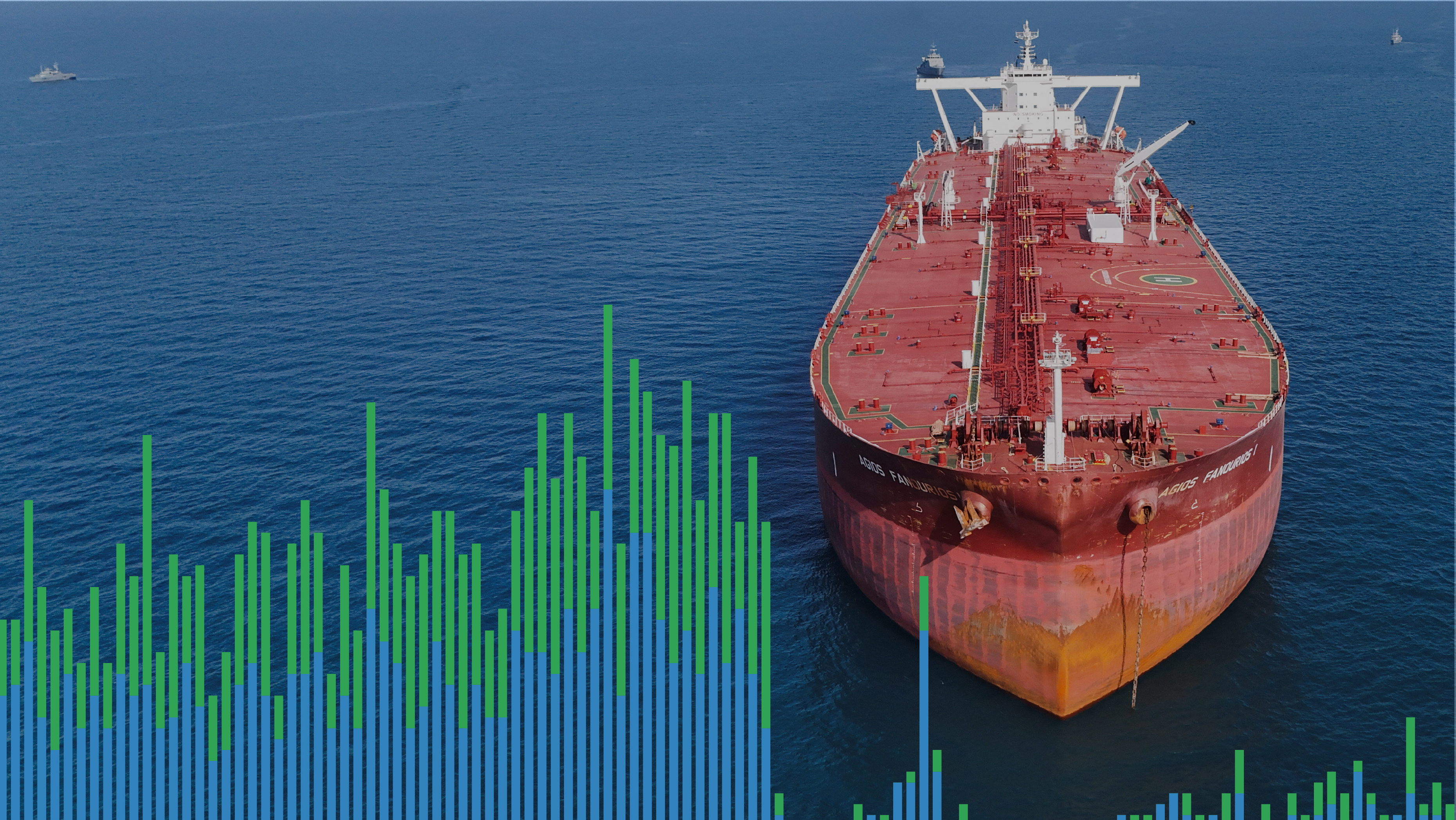
The Strait of Hormuz is not snapping back to normal even after the ceasefire headlines, with seven weeks of AIS data showing traffic still running far below pre-conflict levels. One analysis put crossings at just 8.6 a day from 1 March to 21 April, versus a baseline of 115.7, underscoring how little of the old shipping pattern has returned.
In practice, the cargo that does move is increasingly being handled by operators willing, or able, to take the risk. March tanker crossings were dominated by sanctioned, ghost-fleet or opaque-ownership vessels, while a separate report said war-risk premia, insurer caution and commercial rerouting are keeping volumes well below baseline even if the ceasefire holds.
That leaves mainstream fleets still on the sidelines and leaves the corridor functioning more like a narrow, risk-screened channel than a reopened trade artery. The biggest sign of fragility came on 18 April, when a brief window of apparent access produced 28 crossings in one day, only for traffic to collapse again after the U.S. blockade and renewed Iranian restrictions.
What happens next hinges on whether the ceasefire endures and whether the shipping risk environment actually clears, not on any official declaration that the waterway is open. If the truce frays or the blockade remains in place, the data suggest full normalization could slip well into H2 2026, with operators waiting for a more durable signal before committing tonnage back through Hormuz transits.
