President Donald Trump warned Iran on Sunday that “the Clock is Ticking,” threatening the nation via social media as peace talks remain deadlocked over control of the Strait of Hormuz. The escalation comes as crude oil prices rose nearly 2% Sunday night to above $107 a barrel, while the benchmark 10-year Treasury yield edged up to 4.61%.
Inflation and bond yields
Rising energy costs have pushed annual inflation to 3.8% in April, up from 2.4% in February. This price pressure has triggered a sell-off in long-term government debt, driving the 10-year Treasury yield to its highest level in nearly a year. Daleep Singh, chief global economist at PGIM, warned that yields could march toward 5% in the coming months as investors demand more compensation for fiscal and inflation risks.
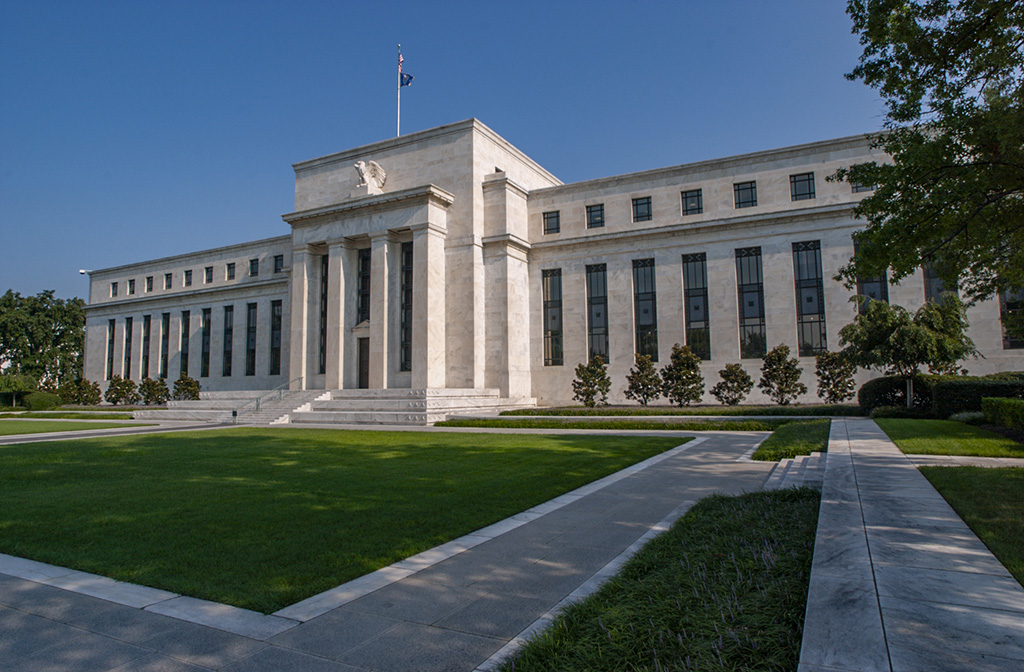
The consequence. Higher Treasury yields directly influence the cost of consumer debt, raising rates for mortgages, auto loans, and credit cards. While the Federal Reserve, now led by Chair Kevin Warsh, has been under pressure to ease, the market is currently pricing in a greater probability of a rate hike than a cut this year due to these overlapping supply-side shocks.
AI earnings on deck
Despite geopolitical tension, tech investment continues to support market indices, with Nvidia and Walmart headlining a critical week of earnings reports.
- Nvidia reports fiscal first-quarter results late Wednesday, with analysts expecting revenue growth of 73%.
- Walmart follows early Thursday, providing a look at consumer resilience after April's inflation surge.
- Other major retailers reporting this week include Home Depot, Target, and Lowe’s, all facing pressure from a stagnant renovation cycle.
The market remains highly concentrated, with seven companies carrying 30% of the S&P 500’s weight. While companies like Intel have seen shares soar 214% this year on AI "inference" chip demand, the broader economy faces a "K-shaped" reality where higher gas prices have forced lower-income Americans to cut usage while high-income spending remains unchanged. The Fed plans to release minutes from its April meeting on Wednesday, which may reveal the depth of internal dissent regarding interest rate policy.