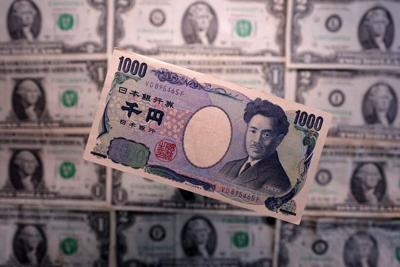
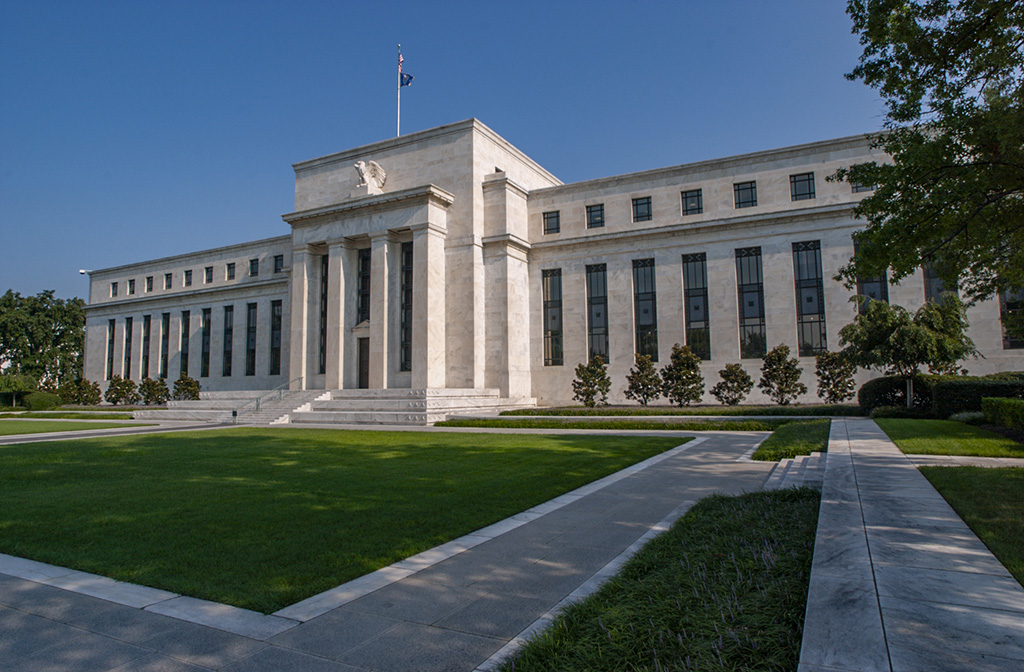
South Korea is showing Asia’s split-screen economy in real time: officials have advised energy conservation, cut growth forecasts, and warned about high inflation and a currency at 17-year lows, while the country’s largest companies are posting record profits and its stock market is hitting all-time highs.
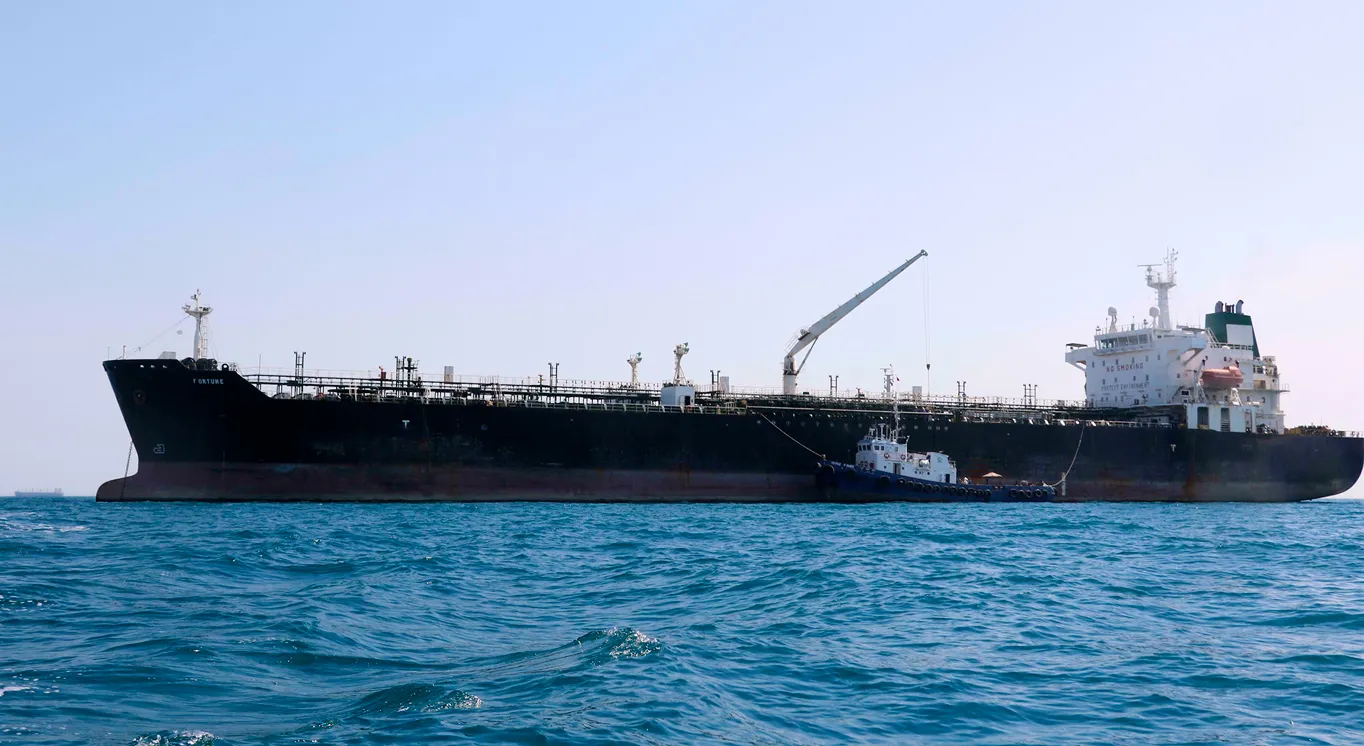
The oil shock is the other half of the story. Shipping through the Strait of Hormuz, where one-fifth of crude normally flows, has dried up over the past two months. Oil prices have reached four-year highs. Asia, heavily reliant on Middle Eastern energy, has borne the early hit from higher prices.
Chips kept climbing
AI demand is giving the region’s chip hubs a cushion that fuel-importing economies do not all share. A UN Trade and Development report projected the global AI market will reach $4.8 trillion by 2033, a 25-fold increase from 2023.
The divide is showing up in the countries and companies tied most closely to semiconductors:
- Taiwan’s first-quarter GDP growth hit 13.69%, a 39-year high, and its equity market overtook Canada’s to become the world’s sixth-largest.
- Taiwan’s gains are largely attributable to Taiwan Semiconductor Manufacturing Company.
- Seoul’s stock market surpassed London’s and Canada’s in recent weeks, while Samsung Electronics and SK Hynix reported record profits.
India, the Philippines, and Thailand are on the weaker side of the split, with economies more exposed to traditional manufacturing and services and greater difficulty securing fuel. The United Nations Development Programme estimates that the war has put 8.8 million people in the Asia-Pacific region at risk of falling into poverty.
Governments now have to manage a boom in energy-hungry AI against fuel scarcity for the rest of the economy. How far the gap widens depends on government action and how long the Strait of Hormuz remains occupied.