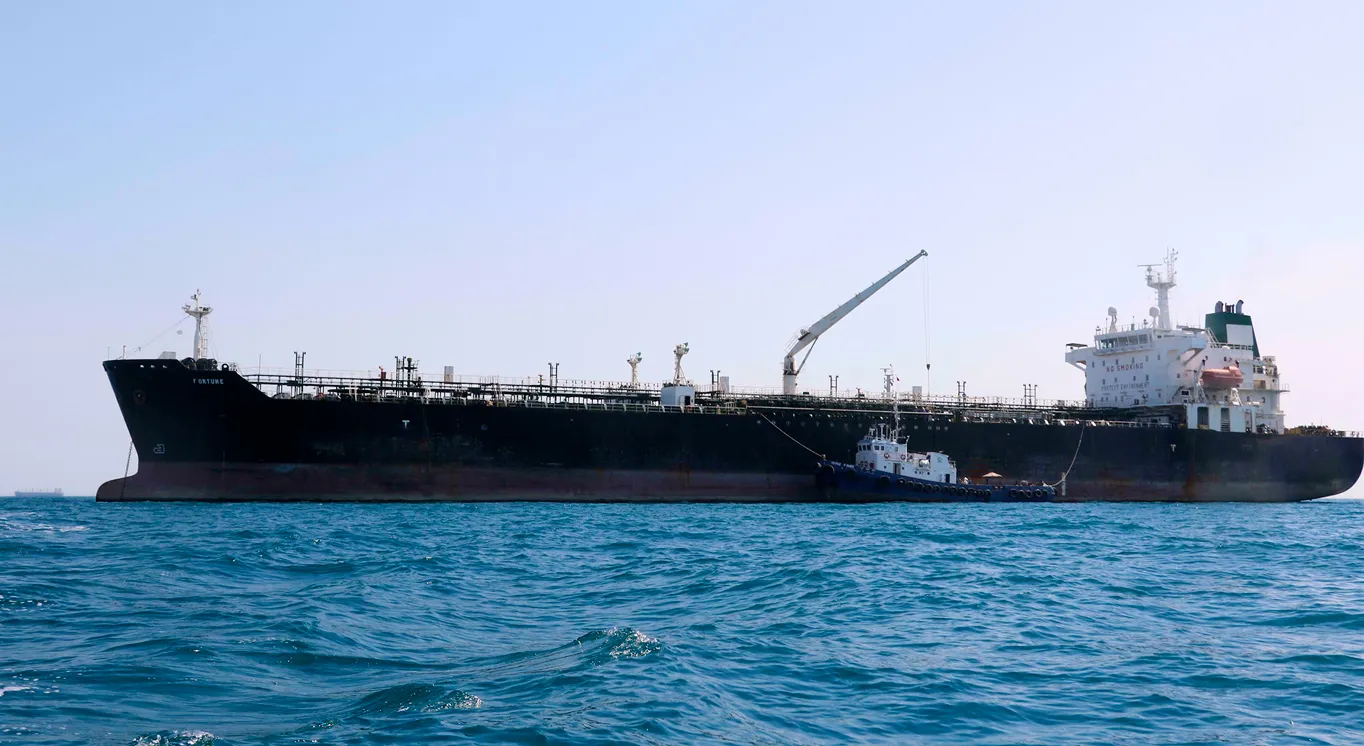
Wall Street has a new acronym for the Strait of Hormuz: NACHO, short for “Not A Chance Hormuz Opens.” The trade is catching on as traders grow less convinced the shipping route will reopen soon.
The market move is showing up first in oil and shipping. Brent crude was above $100 a barrel on Friday, after earlier touching a wartime high of $126 at the end of April. It is still more than 38% above levels seen before the conflict intensified, and war premiums for Hormuz transits peaked around 2.5% of a vessel’s hull value per voyage in March, according to data cited in the article.
Stocks keep climbing
Equities have not followed the same script. The S&P 500 climbed 0.9% on Friday and was on track for a record, even as U.S. forces fired on and disabled two Iranian oil tankers after overnight exchanges in the strait. CNBC said the index crossed 7,400 for the first time, and prediction-market traders now put 63% odds on 7,800 this year.
What’s changed. Traders, insurers, and rates desks are treating the Hormuz disruption less like a one-day shock and more like a lasting part of the market setup. One analyst told CNBC the front end of the rates market has repriced sharply higher, while shipping insurance remains roughly eight times pre-war levels, even after some easing.
- Brent crude was trading above $100 a barrel on Friday, even after easing from its late-April peak.
- U.S. Secretary of State Marco Rubio said he hoped for “a serious offer” from Iran later in the day after Washington gave its latest proposal to end the war and reopen the strait.
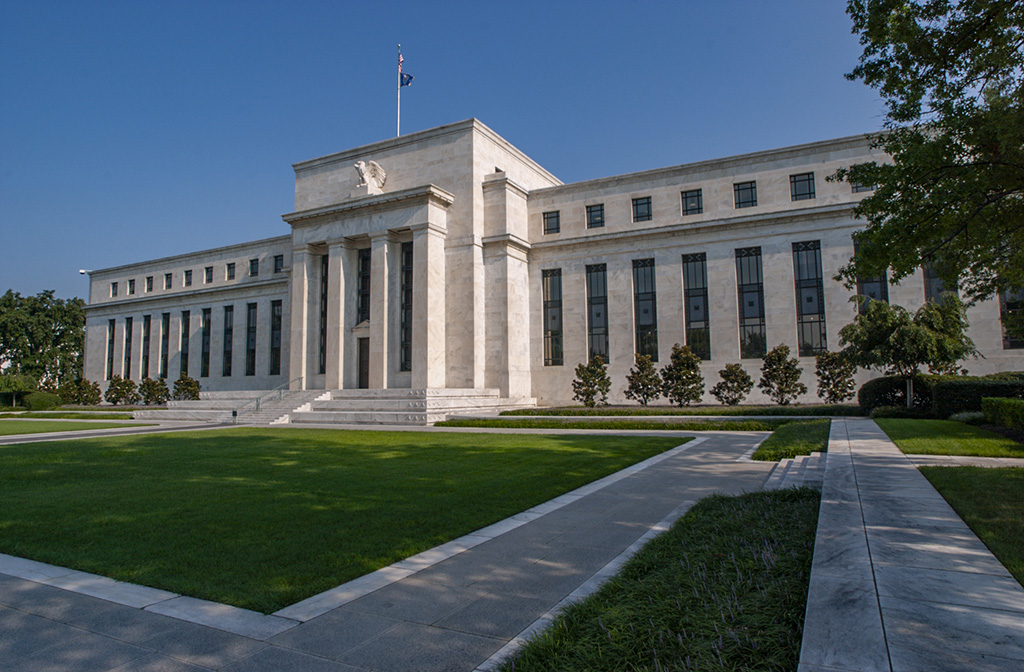
- State Street said markets still want a “tangible peace deal” before restoring aggressive expectations for Federal Reserve rate cuts.
Stocks have stayed resilient, but the oil, insurance, and rates markets are already pricing the strait as a bottleneck rather than a headline. The next hard marker is whether a peace deal shows up, or whether Brent stays above $100 into the next few weeks.