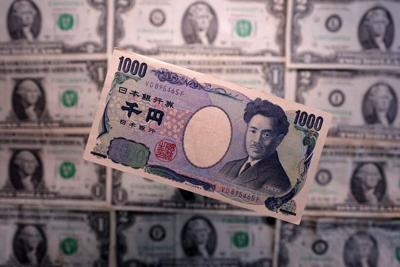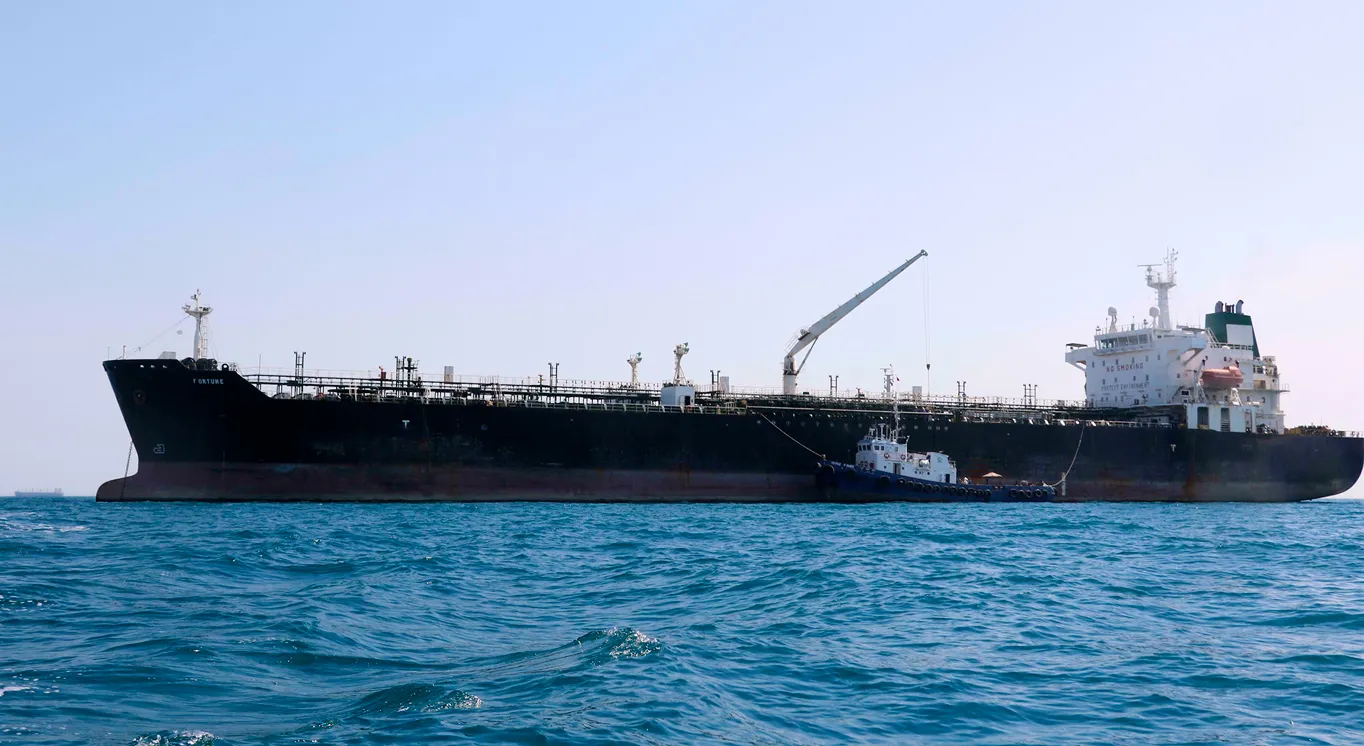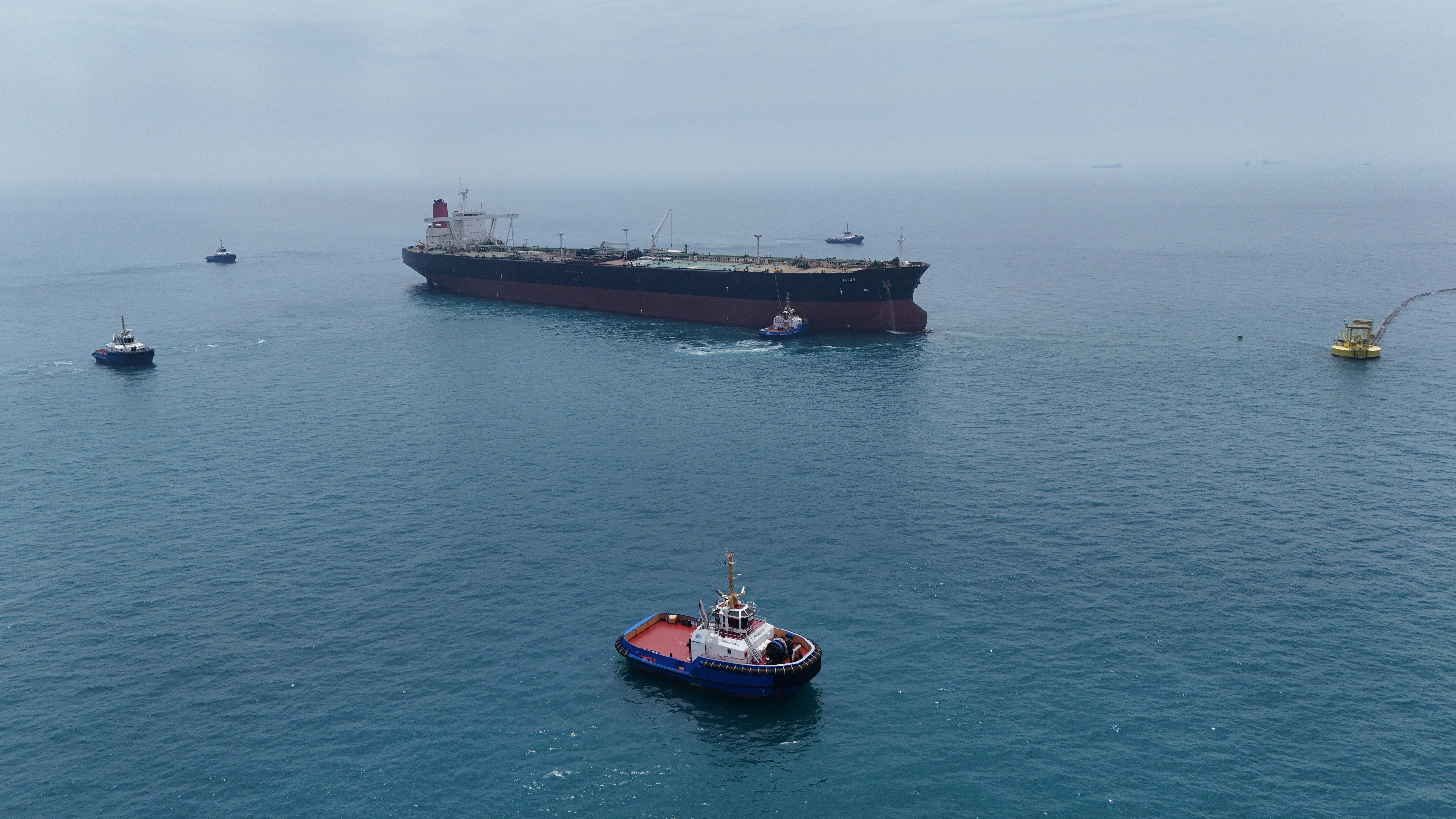
The S&P 500 sank 0.4% on Monday, pulling back from its latest all-time high as new military escalations in the Middle East threatened to dismantle a month-long ceasefire with Iran. While the Dow Jones Industrial Average dropped 1.1%, the oil market saw the most aggressive moves. Brent crude jumped 5.8% to settle at $114.44 per barrel after the United Arab Emirates reported attacks by Iran, a direct response to U.S. efforts to reopen the blockaded Strait of Hormuz.
Profits versus geopolitical risk
Despite the military stalemate, equity markets have remained remarkably resilient, with the S&P 500 gaining 29% over the past year. Investors have largely ignored geopolitical chaos in favor of soaring corporate profits. Approximately 80% of S&P 500 companies reporting this season have beaten expectations, and average profit margins have reached their highest point in 15 years. Bank of America notes that the median stock in the index is seeing its best growth since 2021.
- Tech giants. Alphabet, Nvidia, and Meta are on track to generate more than half a trillion dollars in combined profit this year.
- Energy pressure. The war is currently draining roughly $4 billion a month from American consumers.
- Bond yields. The 10-year Treasury yield rose to 4.43%, up from 3.97% before the conflict began, increasing borrowing costs for households.
Not every sector is shrugging off the conflict. Norwegian Cruise Line Holdings saw its stock fall 8.6% as fuel prices and travel hesitance regarding Europe weighed on bookings. Logistics giants UPS and FedEx also suffered sharp losses, dropping 10.5% and 9.1% respectively, after Amazon announced it would allow external companies like 3M to use its internal delivery network, threatening the established shipping duopoly.
While corporate earnings have provided a floor for valuations, the Bank of England warned that global markets may be due for an adjustment. Deputy Governor Sarah Breeden cited concerns over "shadow banking" and private credit, which has grown to a $2.5 trillion industry that has yet to be tested by a major market downturn. If the energy crisis and the blockade of the Strait of Hormuz continue through the summer, high energy costs could finally begin to erode the profit margins that have kept stocks at record levels.