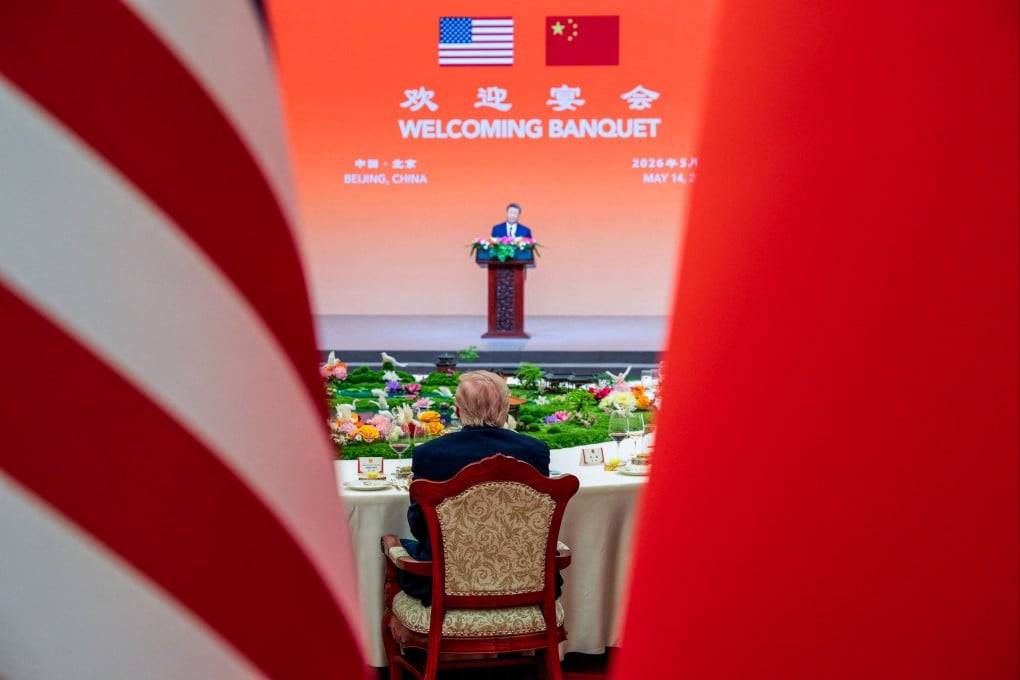
China has agreed to purchase at least $17 billion of American agricultural products annually through 2028, following a two-day summit in Beijing between President Donald Trump and President Xi Jinping. The White House announced these commitments are in addition to a previously negotiated deal for China to buy 25 million metric tons of U.S. soybeans annually. Beijing also restored market access for American beef by renewing listings for more than 400 beef facilities and agreed to an initial purchase of 200 Boeing aircraft.
Discrepancies on tariffs
While the White House touted the export gains, the two nations provided conflicting accounts regarding trade levies. China’s Ministry of Commerce stated that both countries agreed to mutually cut tariffs on certain products, yet the U.S. fact sheet remained silent on the issue. Trump told reporters aboard Air Force One that tariffs were not discussed during the meetings, even though Beijing indicated that teams are still negotiating specific duty reductions.
- Meat and Poultry. China will work with U.S. regulators to restore poultry imports and lift suspensions on remaining meat plants that were sidelined during previous trade disputes.
- Critical Minerals. Beijing agreed to address American concerns regarding rare earth shortages, specifically minerals like yttrium and neodymium used in smartphones and weapons.
- Energy and Security. Both leaders called for the reopening of the Strait of Hormuz and confirmed a shared goal to denuclearize North Korea.
The deal arrives as U.S. farmers face high fertilizer costs linked to conflict in Iran and years of low crop prices. Whether China fulfills the new $17 billion pledge remains a point of skepticism for analysts, as Beijing previously failed to meet the $200 billion purchase targets set in a 2020 agreement. Recent trade data shows U.S. shipments to China fell to $8.3 billion in 2025 as Beijing turned to cheaper Brazilian soybeans.
The two countries plan to manage ongoing commercial issues through a newly established board of trade and a board of investment. These forums will likely handle the technical details of the agricultural and mineral agreements before Xi Jinping visits the U.S. this September.