
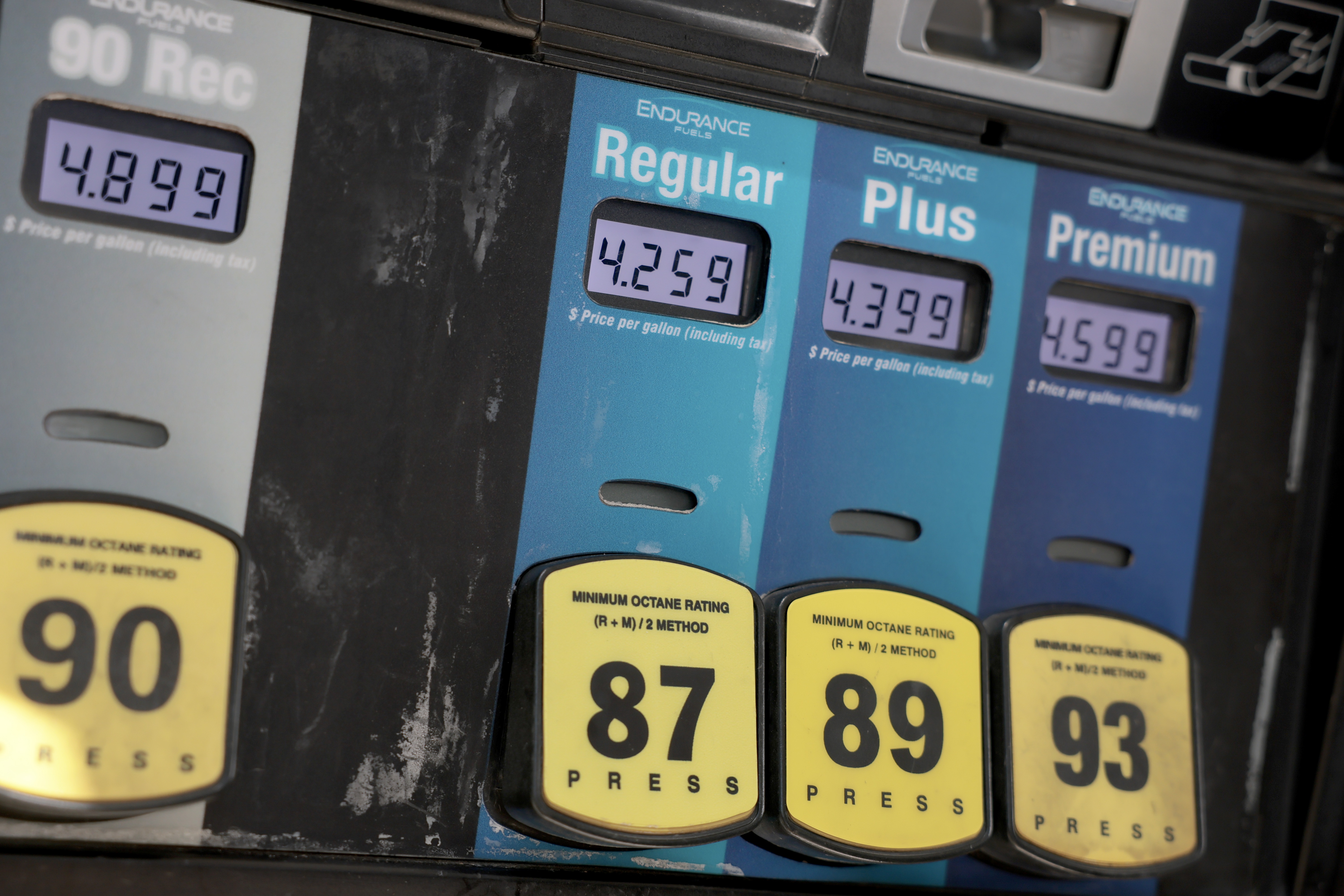
U.S. consumers just gave the Iran-driven gas shock a blunt verdict: sentiment fell to an all-time low in April, with the University of Michigan index dropping to 49.8 from 53.3 in March. That was a touch better than the 47.6 initially reported earlier in the month, but it still marked the weakest reading in the survey’s 73-year history.
The breakdown points to a price story, not a ceasefire story. Joanne Hsu said the conflict is shaping views mainly through shocks to gasoline and other prices, while developments that do not ease supply constraints are unlikely to help; the same survey showed year-ahead inflation expectations jumping to 4.7 percent from 3.8 percent, and long-run expectations rising to 3.5 percent.
That leaves households facing a direct hit to buying power, especially lower- and middle-income families that spend more of their income on fuel. With national gasoline prices hovering above $4 a gallon and diesel above $5, economists expect transportation costs to keep feeding into goods from food to appliances, while a Reuters/Ipsos poll found a clear majority of Americans blaming Trump for the surge.
The next test comes fast: the Conference Board releases its consumer confidence reading on Tuesday, April 28, which will show whether the pain in sentiment is spreading into a broader confidence slump. If the Strait of Hormuz stays effectively constrained and fuel prices remain elevated, the inflation expectations problem could deepen before households see any relief.

