
March delivered the Fed’s least comforting inflation print in almost three years. The personal consumption expenditures index rose 0.7% from February and 3.5% from a year earlier, while core PCE held at 3.2%—both in line with forecasts, but still stubbornly above the Fed’s 2% target. Reuters’ read was blunt: the jump came with the Iran war pushing gasoline higher, not with a broad clean-up in underlying prices.
The market is now pricing a different constraint. The Fed held its benchmark rate at 3.50%-3.75% this week, and this report makes it easier for officials to stay there well into next year. Inflation was already elevated before the conflict, helped by President Donald Trump’s import duties, so the war has landed on top of an existing price problem rather than creating one from scratch. CNN’s report put the energy shock at the center of the move.
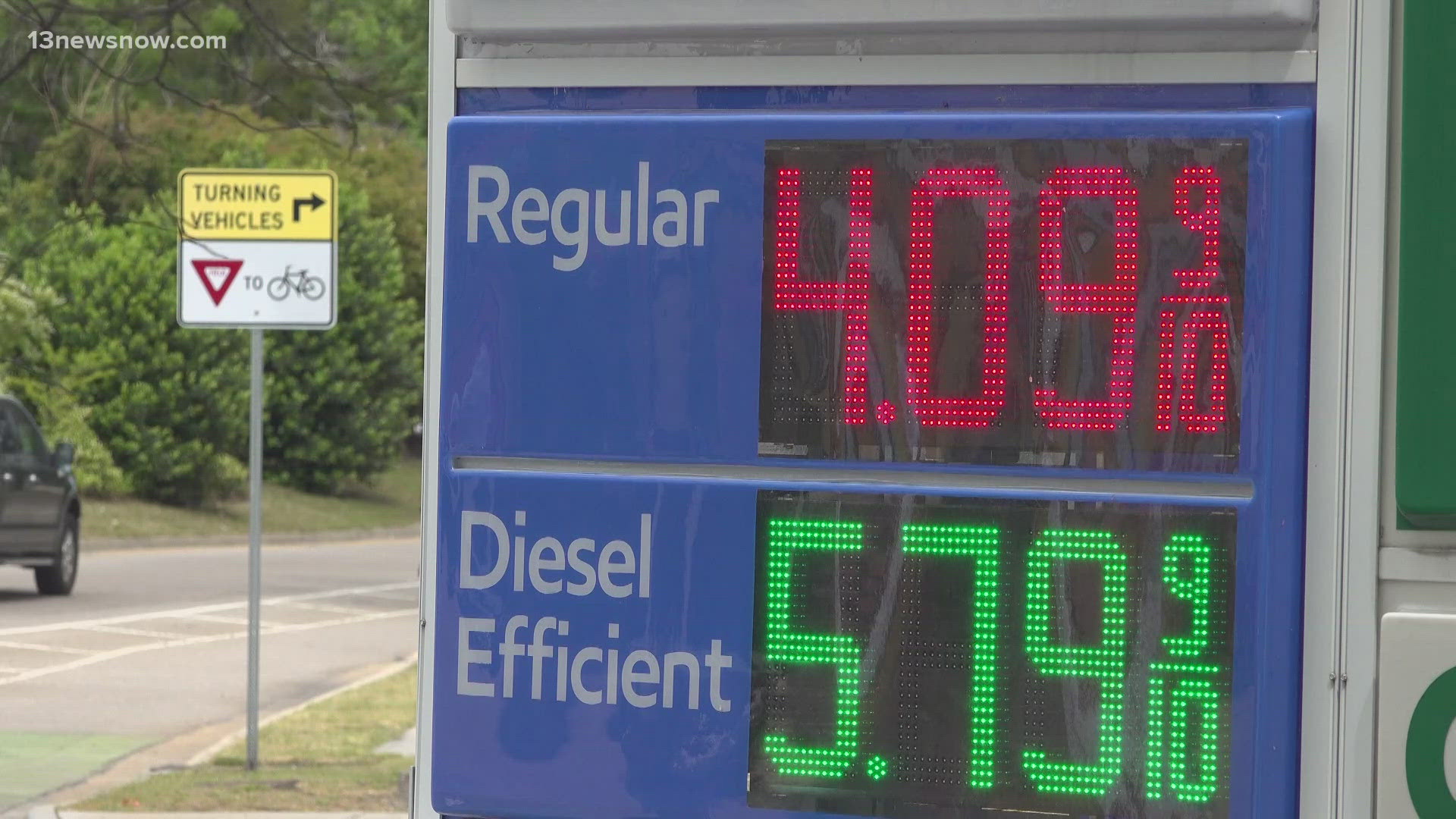
- Gasoline prices jumped 24.1% in March, according to the EIA, and pump prices have kept climbing.
- Consumer spending rose 0.9%, but real spending increased just 0.2% after inflation.
- First-quarter GDP still came in at 2%, but the composition looks weaker heading into the second quarter.
That is the reframing: this is no longer a story about whether inflation is easing toward target on its own. It is a story about how much energy shocks can reassert themselves before they squeeze real demand. The same report that showed households spending more also showed them getting less actual volume for it. The PCE data now matters because it keeps rate cuts off the table and taxes second-quarter growth assumptions.
For borrowers and rate-sensitive businesses, the next number that matters is whether gasoline stays elevated into May. If it does, the Fed gets more cover to sit tight, and the economy goes into the second quarter with inflation pressure still doing the work that growth is no longer doing.

