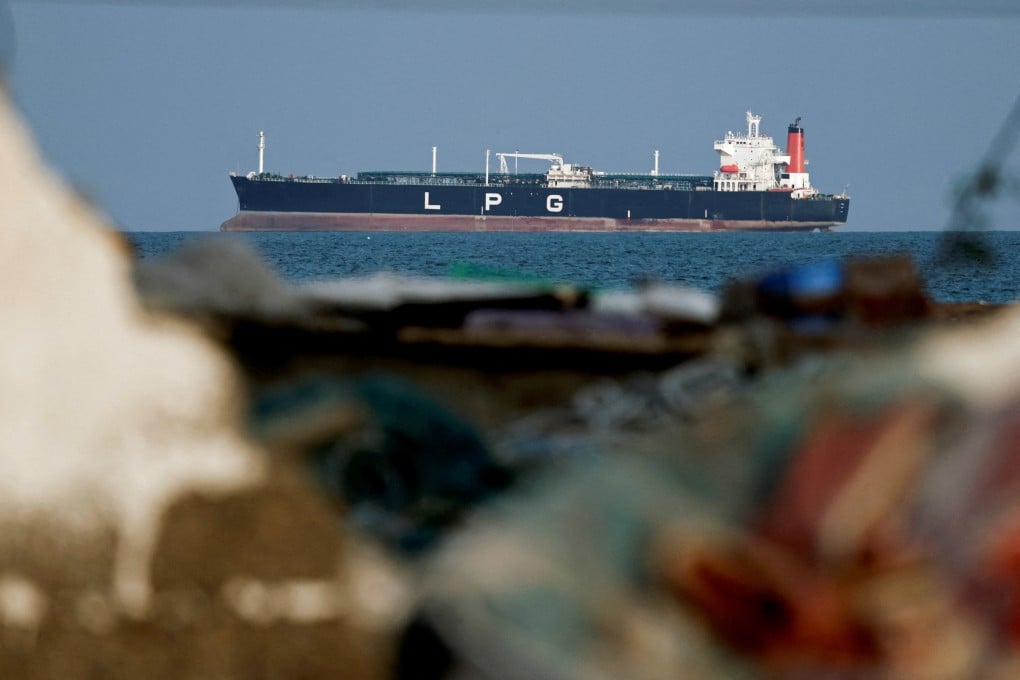
Source: South China Morning Post
The war involving the U.S. and Israel against Iran has pushed the Strait of Hormuz back to the center of the global energy-security map, because the narrow waterway is a major route for oil and gas exports. In recent days, nearly all traffic has been halted at times, even though some vessels have still managed to cross, according to maritime and trade data cited by AP.
Iran has publicly framed the situation as selective rather than a blanket closure. Iranian media quoted Iran’s representative to the U.N. maritime agency as saying Hormuz is open to all shipping except “enemy-linked” ships, with coordination of security arrangements with Tehran described as a condition for passage.
Even partial disruption is already showing up in prices and real-economy pressure points. Fortune noted gasoline is up more than 30 percent in a month and diesel is up nearly 40 percent, a painful mix for transportation-heavy supply chains and for inflation expectations that central banks have been trying to contain.
Washington is also trying to get more crude onto the market as a pressure valve. The U.S. Treasury Department temporarily lifted sanctions on some Iranian oil currently at sea, with Treasury Secretary Scott Bessent estimating the move could add about 140 million barrels of crude to the global oil market, under a license that applies to oil loaded as of March 20 and runs through April 19.
In Europe, governments are preparing household and business relief as higher fuel and energy costs filter through to consumer prices. In Greece, Development Minister Takis Theodorikakos warned that diesel-driven inflation is a key risk and said additional measures beyond price caps may be needed; separate reporting described the government studying further policy responses.
- Greek officials said the government is looking at additional measures to address rising fuel costs, inflation, and broader economic pressure from the conflict.
- One package already in motion includes caps on profit margins for fuels and a basket of essential goods, including limits such as wholesale and retail ceilings cited by a governing-party lawmaker.