Source: Nikkei Asia
The first broad read on business activity since the Middle East conflict intensified is about to arrive, and economists are bracing for softer data. Bloomberg reports that every purchasing managers index forecast it tracks for March is expected to decline, a sign that the energy and trade shock is already feeding into sentiment. Purchasing managers indexes, or PMIs, are survey-based gauges of business activity, and the latest readings will help show how quickly war-related disruption is spilling into the real economy.
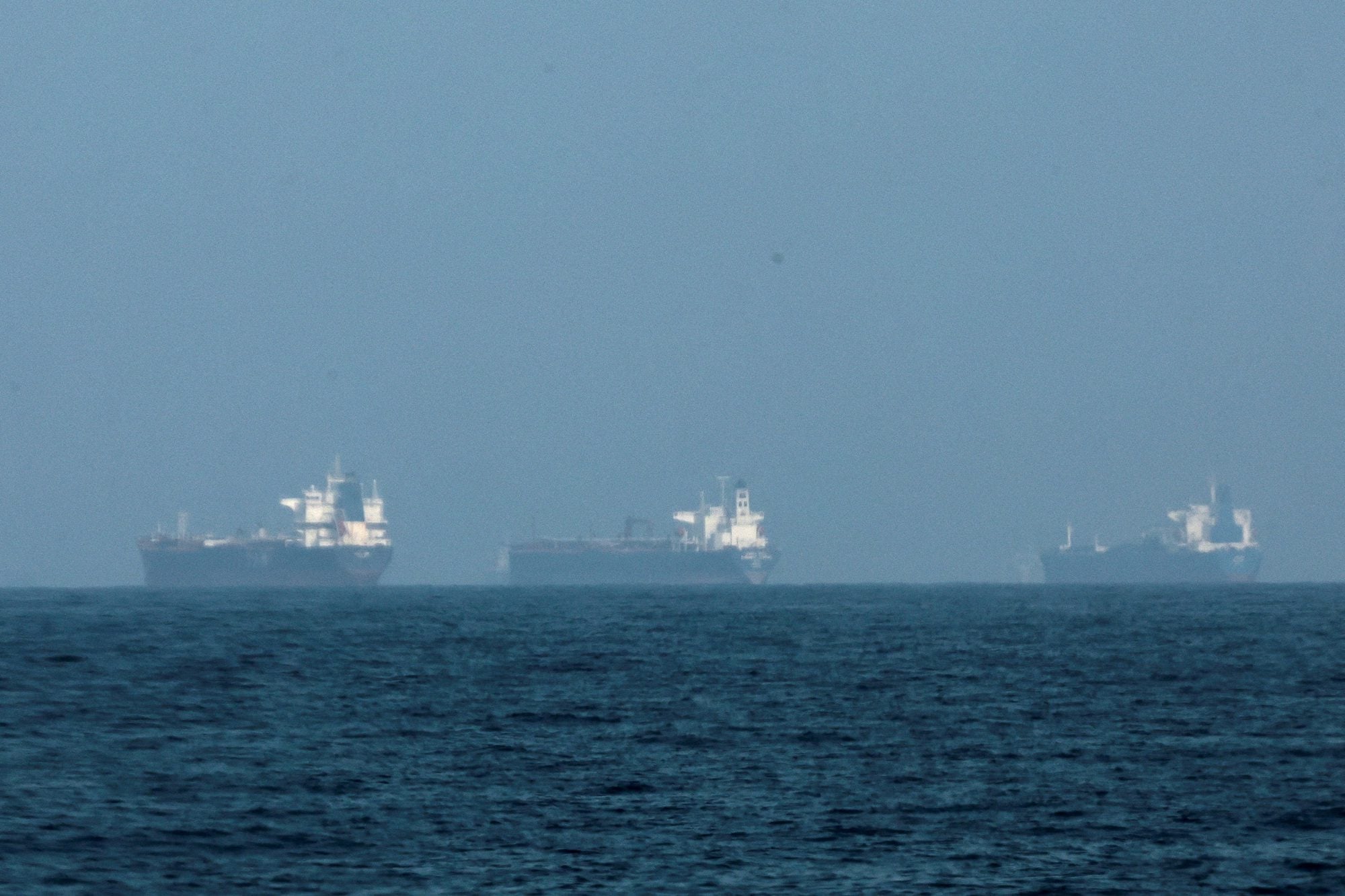
The clearest transmission channel is energy. The Guardian says oil has risen above $100 a barrel and European gas prices have doubled, while CNN reports that at least 11 LNG tankers were rerouted from Europe to Asia as buyers competed for supply. That is pushing up fuel, electricity and transport costs, and it also threatens second-round effects through fertiliser, chemicals and food prices if supply bottlenecks persist.
The pain is falling unevenly across regions:
- South Korea imposed a fuel price cap, while Pakistan, India, Bangladesh, Thailand and the Philippines have all taken steps to curb energy use or ration supply.
- Europe looks especially exposed because households and industry remain sensitive to gas costs; CNN notes EU inflation could rise by more than one percentage point and growth could weaken if the conflict drags on.
- In Greece, the Bank of Greece now sees 2026 growth at 1.9 percent and inflation at 3.1 percent, reflecting higher energy and food costs.
Governments are beginning to shift from monitoring to mitigation. Greek Development Minister Takis Theodorikakos said additional support measures will be needed beyond existing price caps, with diesel singled out as a key concern because it affects transport and the cost of goods across the economy. The broader message is simple enough: even if the shock proves temporary, policymakers are preparing for a period in which inflation stays uncomfortable and growth loses momentum.