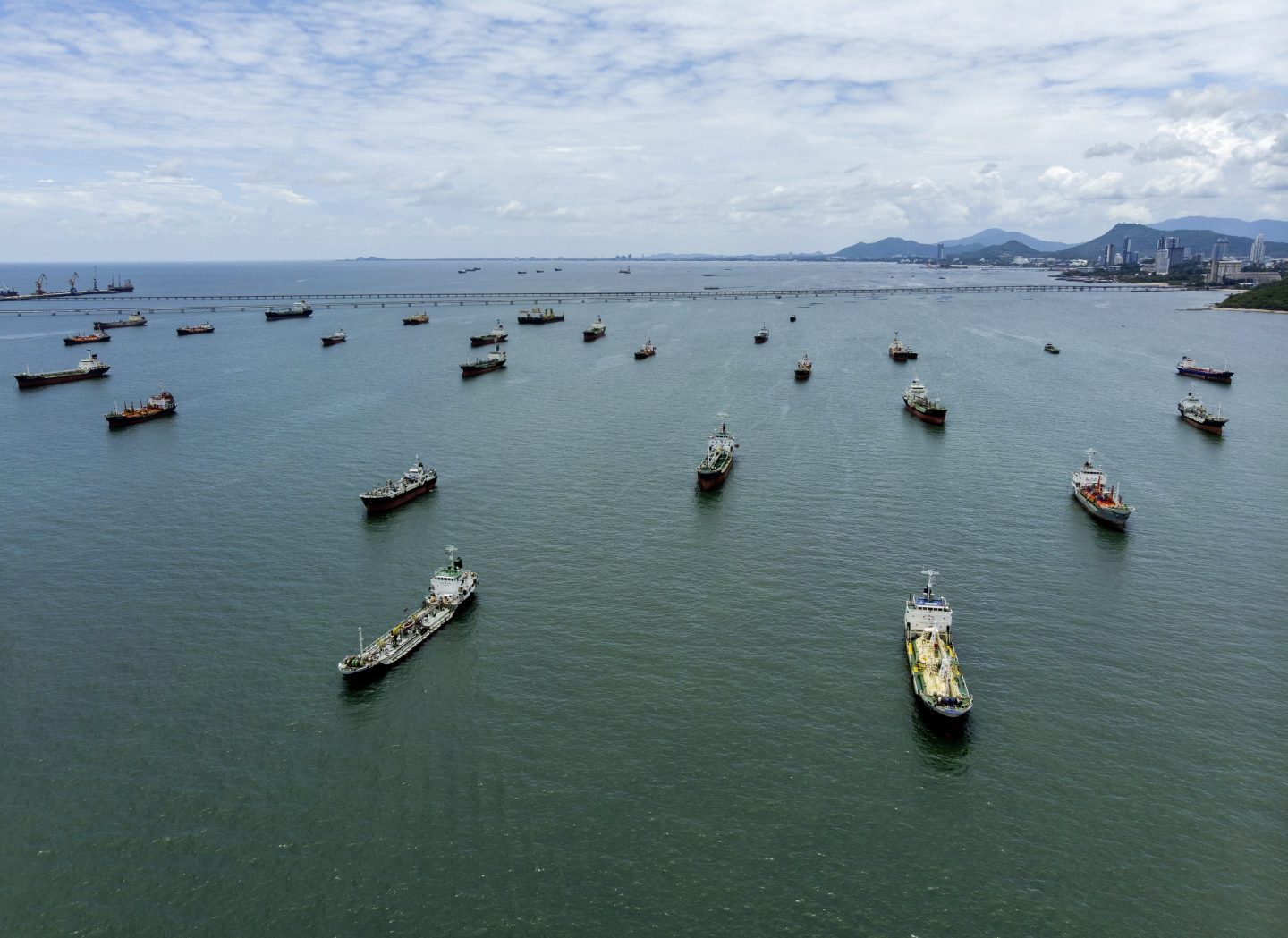
The Iran war is no longer just a “gas is expensive” story. It is quickly turning into a full-economy cost pass-through: airlines are cutting service, delivery firms are adding surcharges, and economists are marking up inflation forecasts as energy and shipping disruptions seep into everything from groceries to electronics. The longer the Strait of Hormuz stays effectively constrained, the more this looks like a classic supply shock that central banks cannot fix but consumers still pay for.
Companies are already acting as if higher fuel is a long-haul problem, not a temporary spike. CNBC reports the U.S. Postal Service is seeking approval for a temporary 8 percent fuel surcharge on some deliveries starting late April and running into early 2027, while United Airlines is preparing for oil at $175 a barrel and trimming lower-profit flights. That is the tell: when carriers cut marginal routes and shippers reprice, the “hidden” inflation shows up in airfare, shipping fees, and thinner service, not just in what drivers see on the pump.
The mechanics are brutally straightforward. PBS, citing U.S. Energy Information Administration data, notes regular gasoline jumped from $3.01 to $3.96 per gallon in early March, while diesel rose to $5.37, a direct hit to trucking, farming, construction, and fishing. At the same time, the same report points to petrochemical and industrial inputs being squeezed after QatarEnergy suspended LNG-related production following attacks, affecting products like urea and polymers used in fertilizer, plastics, detergents, and packaging. Layer in airspace closures that, according to PBS, hit 20 percent of global air cargo capacity, and you get delays and price hikes for the high-value items that rely on fast shipping, including medicines, aircraft components, and electronics.
Forecasters are starting to put numbers on the damage, and they are not aligned with the Fed’s calmer path. CNBC reports the OECD now sees U.S. inflation at 4.2 percent in 2026, up sharply from its prior 2.8 percent view and well above the Fed’s 2.7 percent projection, citing the war-driven energy shock and lingering tariff effects. Separately, the Financial Times’ Unhedged column argues the oil shock hits poorer, more energy-intensive economies hardest, and that strain can ricochet back into rich-world inflation via fertilizer, plastics, and manufacturing inputs running low amid shipping disruptions. In practice, that leaves policymakers with an ugly tradeoff: rate hikes do not reopen shipping lanes, but letting expectations drift higher can turn a supply shock into stickier inflation.


