The shock in April is not that U.S. business activity recovered, but that it did so while price pressures leapt to their hottest level in nearly four years. S&P Global’s flash PMI showed the composite index rising to 52.0 from 50.3 in March, yet the same survey found output prices at 59.9, supplier delays at a two-year-plus high and businesses scrambling to rebuild inventories as the war with Iran snarled shipping and tightened supply lines.
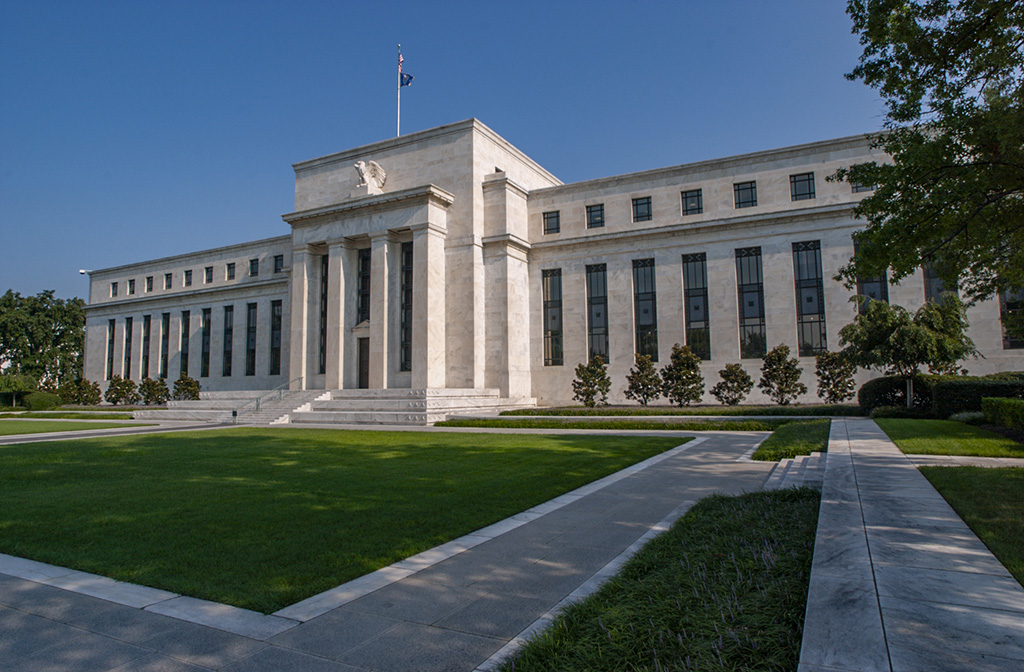
The split is awkward for the Federal Reserve. Manufacturing actually strengthened, with new orders jumping and the factory PMI hitting a 47-month high of 54.0, but services, which drive most U.S. employment, only clawed back to 51.3 after dipping into contraction in March. Chris Williamson of S&P Global said the survey points to an economy limping along at just above 1 percent annualized growth, while inflation is being pushed higher by a mix of war-related shortages and, earlier, tariffs.
The bigger picture from the broader global surveys is even harsher. Reuters’ global read found the euro zone slipping back below 50, a sign of contraction, with its input price index surging to 76.9 and services weakening too. That suggests the Iran conflict is now hitting growth and inflation at the same time, not just through oil prices but through shipping bottlenecks, food inputs and factory stoppages, the sort of combination that usually leaves central banks with very little room to breathe.
For policymakers, the consequence is straightforward: rate cuts look harder to justify, even if growth stays soft. For companies, the incentive is to stockpile inputs before prices move again, but that only deepens the squeeze on suppliers and keeps delivery times long. Markets have been gaming a short, sharp energy shock; these surveys suggest something stickier, with the final bill still depending on whether the Strait of Hormuz stays open and how long firms can keep passing costs on.