U.S. business activity regained some footing in April, but the recovery came bundled with a much uglier inflation signal. S&P Global’s flash composite PMI rose to 52.0 from 50.3 in March, yet its output-price gauge jumped to 59.9, the highest since July 2022, as supply disruptions tied to the war with Iran rippled through factories and services.
The improvement was led by manufacturing, where the PMI climbed to a 47-month high of 54.0 and new orders surged to 54.8, while services bounced back to 51.3 after slipping into contraction in March. S&P said firms were stockpiling in anticipation of shortages and price hikes, a sign that the conflict is changing behavior before it fully changes output.
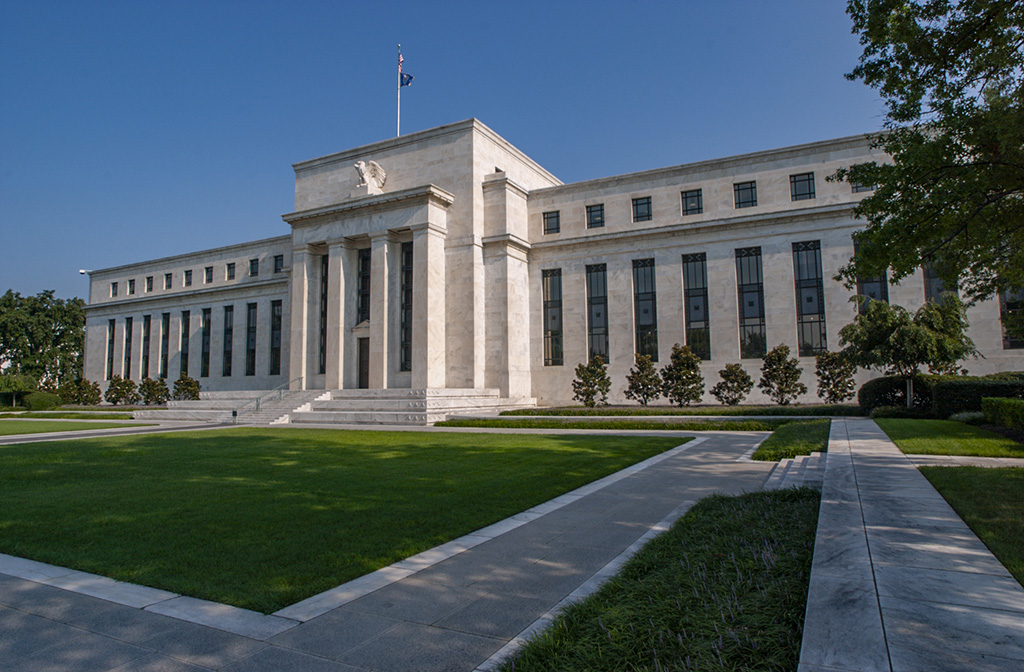
That leaves the Federal Reserve with a less comfortable tradeoff. Input costs rose to an 11-month high of 62.6, delivery times were the longest since August 2022 and companies lifted their selling prices at the fastest pace since July 2022, all of which points to inflation accelerating even as the broader economy is expanding only modestly.
Employment is also losing momentum, with private-sector hiring barely back above 50 and manufacturing cutting jobs. If inflation keeps moving the way the survey suggests, rate cuts will be harder to justify while demand is still soft and businesses are still warning about high costs.