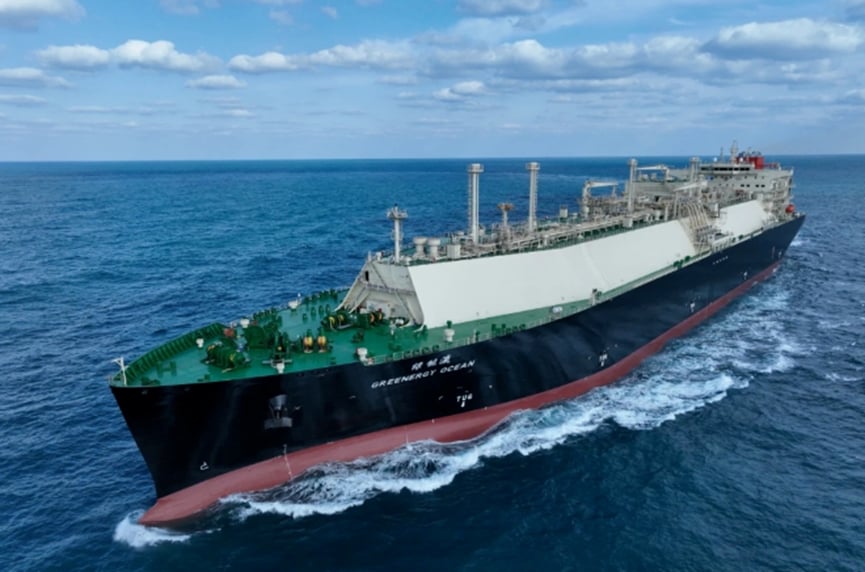
Markets are still treating the squeeze as a manageable disruption, but Oilprice’s Cyril Widdershoven argues the next two-week window could be where stress turns into something harder to unwind. The immediate pressure point is energy, yet the report says the real risk is the way oil, LNG, shipping, naphtha, fertilizer and helium are starting to strain together, which pushes buyers from optimization to security-first procurement.
That shift shows up first in physical markets. Widdershoven says cargoes are still moving, but confidence in delivery is eroding, insurance costs are rising, and refiners and LNG buyers are already adjusting intake assumptions. Benchmarks can still look orderly, but the article argues the gap between paper pricing and physical scarcity is widening, and that usually ends with companies paying up for access rather than waiting for a better price.
The knock-on effects are getting broader. Naphtha margins are under pressure as feedstock costs rise, fertilizer production economics are worsening as gas-linked inputs get more expensive, and helium supply is starting to tighten for sectors like healthcare, semiconductors and advanced manufacturing. The piece also says logistics has moved from background friction to a primary constraint, with war-risk insurance and limited tonnage reducing the amount of supply that can actually reach buyers.
Geographically, the strain is spreading unevenly. Europe faces higher input costs and renewed industrial exposure, Asia is shifting toward aggressive procurement, and North Africa is being pulled into the same squeeze through energy and fertilizer links. The article’s blunt conclusion is that strategic reserves and diplomatic signaling can cushion a short oil shock, but they do not solve LNG competition, petrochemical feedstock shortages or freight bottlenecks. If flows do not stabilize quickly, the market may stop clearing on price alone and start clearing on access.


