The U.S. economy grew at a 2% annual rate in the first quarter, even as the war in Iran pushed energy prices sharply higher. That is the first official read on how much damage the oil shock is doing, and so far the answer is: growth is still holding, but the fuel bill is getting bigger.
What changed is the source of support. Businesses kept investing, government spending came back online after the shutdown, and consumer spending rose 1.6%. The harder part is that the same report shows the economy heading into a period where expensive energy can start to crowd out everything else.
- Brent crude jumped to $120 a barrel from around $70 in February.
- July and August crude contracts topped $100 a barrel, a sign the market is pricing in a longer disruption.
- Personal consumption still grew 1.6%, but that pace was helped by larger tax refunds and spending from higher-income households.
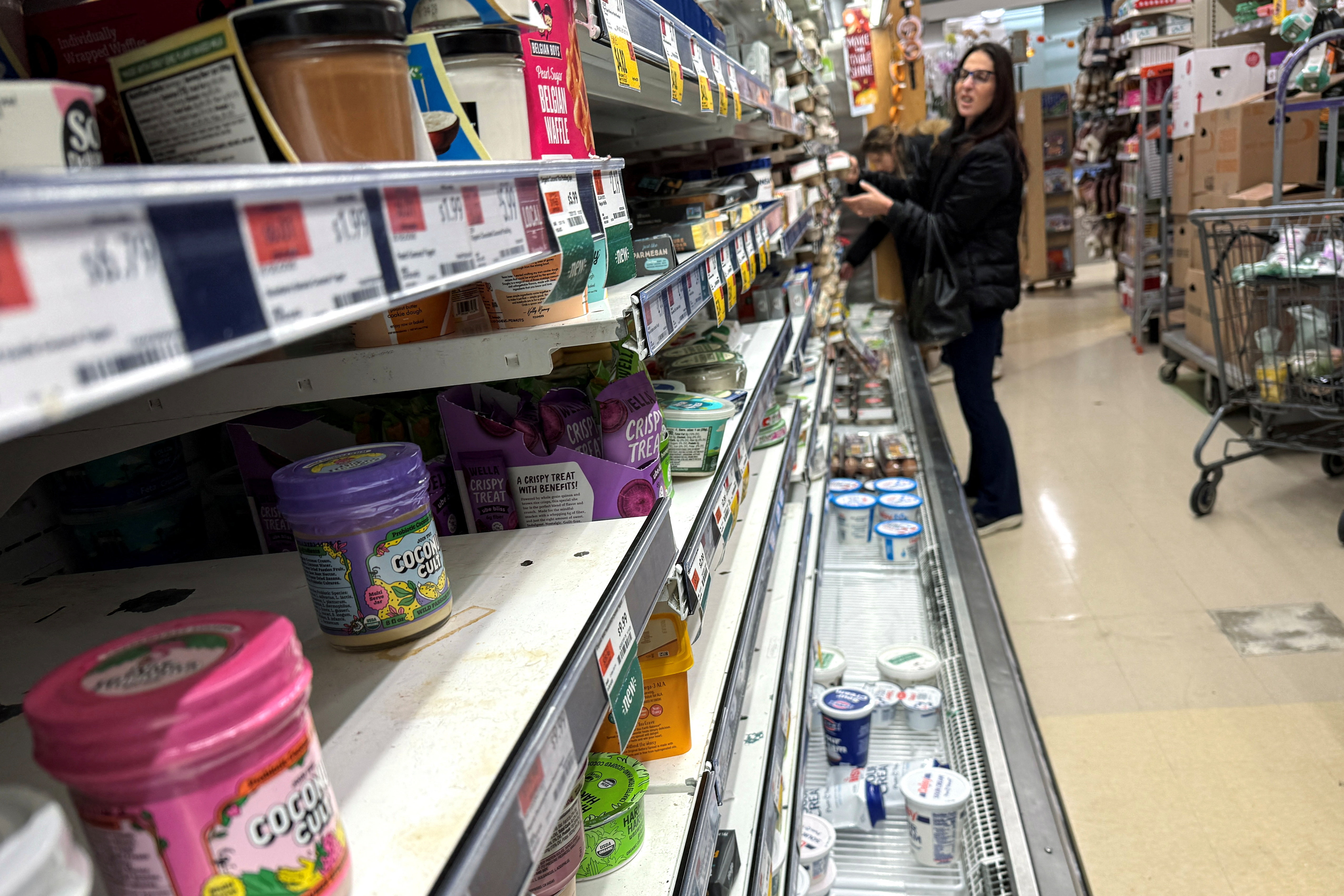
The sticky part of the story is that oil is no longer just a commodity headline; it is a constraint on how long the expansion can keep ignoring inflation. Consumer demand has been resilient enough to absorb the first hit, but the longer gas stays elevated, the more the burden shifts from energy markets to household budgets and margins.
That puts the next few months on a short leash. If crude stays above $100 and gasoline remains elevated, the question stops being whether growth slowed in the first quarter and becomes whether the consumer can keep carrying the economy through a second quarter oil shock.