
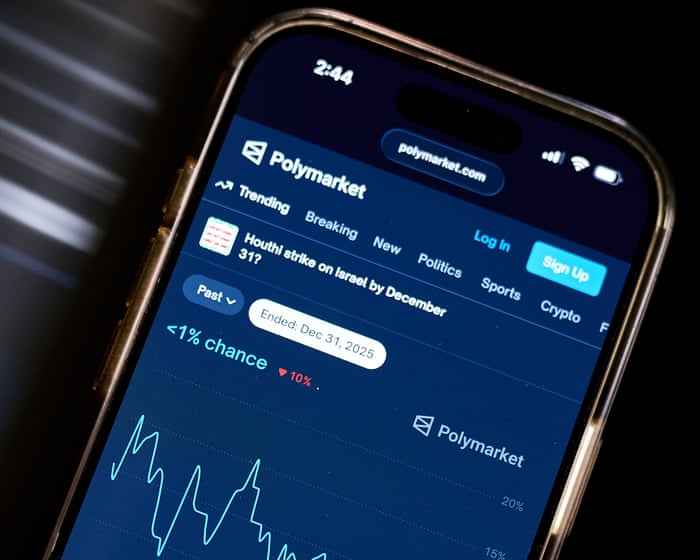
Nine linked accounts on the prediction market Polymarket have generated more than $2.4 million in profit by betting on specific U.S. military milestones in the war with Iran. According to data from the analytics firm Bubblemaps, these anonymous accounts achieved a 98% win rate across more than 80 bets, frequently winning on long-shot wagers regarding the timing of the first U.S. strikes and the announcement of a ceasefire.
The investigation. Digital detectives found the pattern suggests luck is an unlikely factor, raising concerns that individuals with access to nonpublic military or intelligence information are using the platform to monetize classified data. This follows the indictment of U.S. Army Master Sgt. Gannon Ken Van Dyke, who is alleged to have netted over $400,000 by betting on a special operations mission in Venezuela using nonpublic information.
Suspected activity in energy
The suspected use of nonpublic information extends to the regulated commodities markets. On March 23, more than $800 million was staked on falling oil prices at 6:50 a.m. ET. Just fifteen minutes later, a social media post from the White House regarding productive conversations with Iran caused oil prices to drop more than 10%, potentially generating $80 million for the traders involved. Federal investigators are currently probing these oil market trades.
The rise of war-based betting is creating new risks for national security and personnel safety:
- Financial firm LSEG reported that irregular trades in oil futures preceded major policy announcements.
- A military correspondent for the Times of Israel received death threats from bettors attempting to force a change in his reporting on an Iranian missile strike to avoid losing $900,000.
- The White House issued a memo to staffers in March warning that using nonpublic information on prediction markets is a criminal offense.
Oversight of these markets currently rests with the Commodity Futures Trading Commission, which has seen staffing and enforcement actions drop since 2024. While the commission says it is now using AI to track bad actors, investigators warn that if market analysts can spot these trade patterns, foreign adversaries can likely do the same to anticipate U.S. military strategy.


