
U.S. households are souring fast on the inflation outlook, with the University of Michigan’s consumer sentiment index sinking to a record 49.8 in April as year-ahead price expectations jumped to 4.7 percent from 3.8 percent in March. The reading was a slight rebound from the earlier April estimate, but it still undershot March’s 53.3 and left sentiment at its weakest level on record, even as the Iran ceasefire was extended.
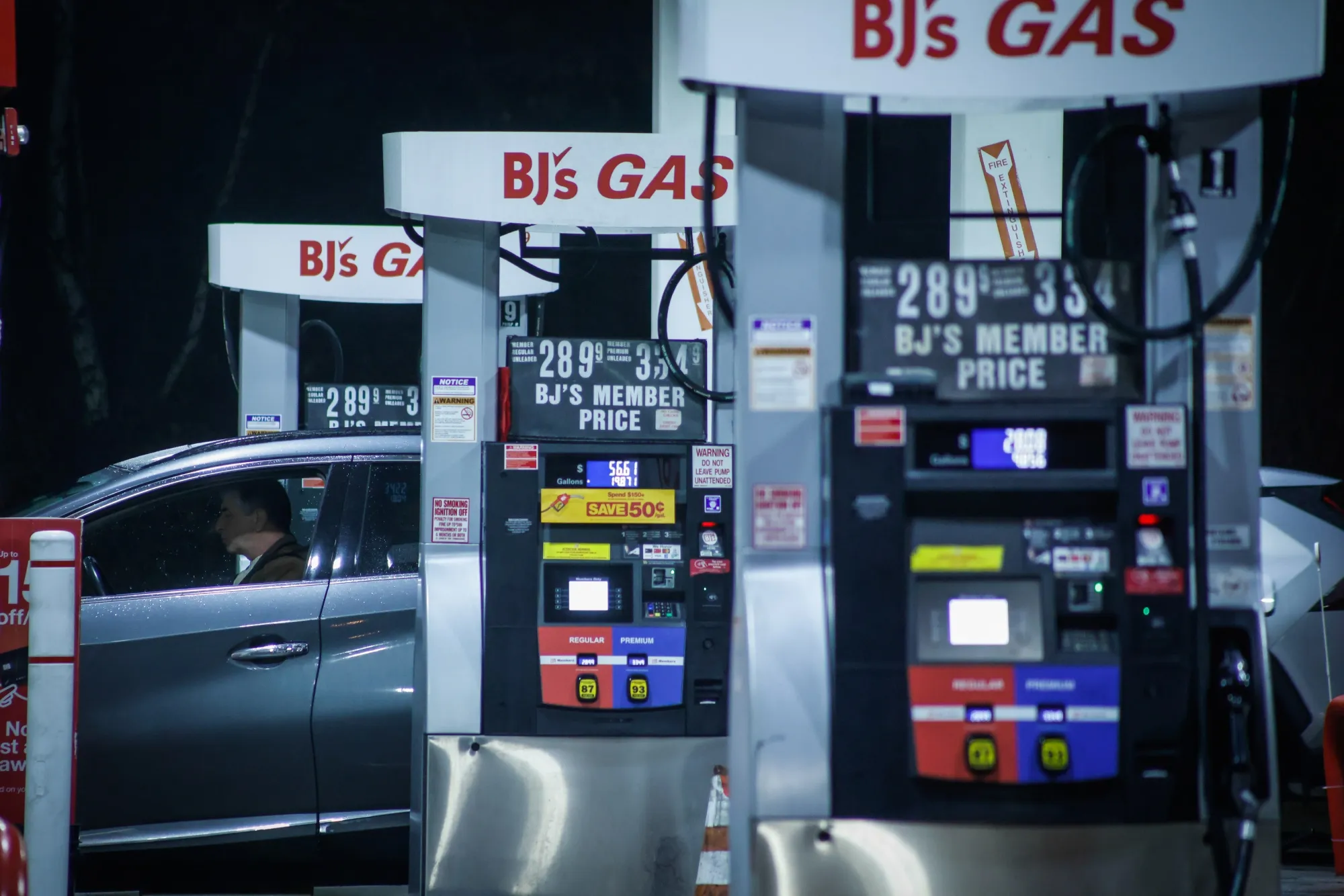
That shift is being driven by a very specific price shock: disrupted shipping through the Strait of Hormuz has pushed gasoline above $4 a gallon nationally and diesel well above $5, while also lifting the cost of oil-linked goods such as fertilizers, petrochemicals and aluminum. Joanne Hsu said the conflict is influencing consumers mainly through “shocks to gasoline and potentially other prices,” and she added that military or diplomatic moves that do not ease supply constraints are unlikely to help.
For consumers, the pressure is landing first on lower- and middle-income households, which spend a bigger share of income on fuel, and economists expect weaker real disposable income growth to slow spending. The strain is already showing up in expectations as well, with five-year inflation views climbing to 3.5 percent and a separate business survey pointing to the fastest pace of prices charged in nearly four years, reinforcing fears that cost increases will keep spreading through transport, food and retail goods.
That leaves the next test squarely on energy flows and policy: sentiment is unlikely to improve unless the Strait of Hormuz reopens and the conflict ends permanently, while the Federal Reserve’s room to cut rates this year looks tighter if price pressures persist. Another bump in fuel or freight costs would likely keep inflation expectations elevated into the summer.

