
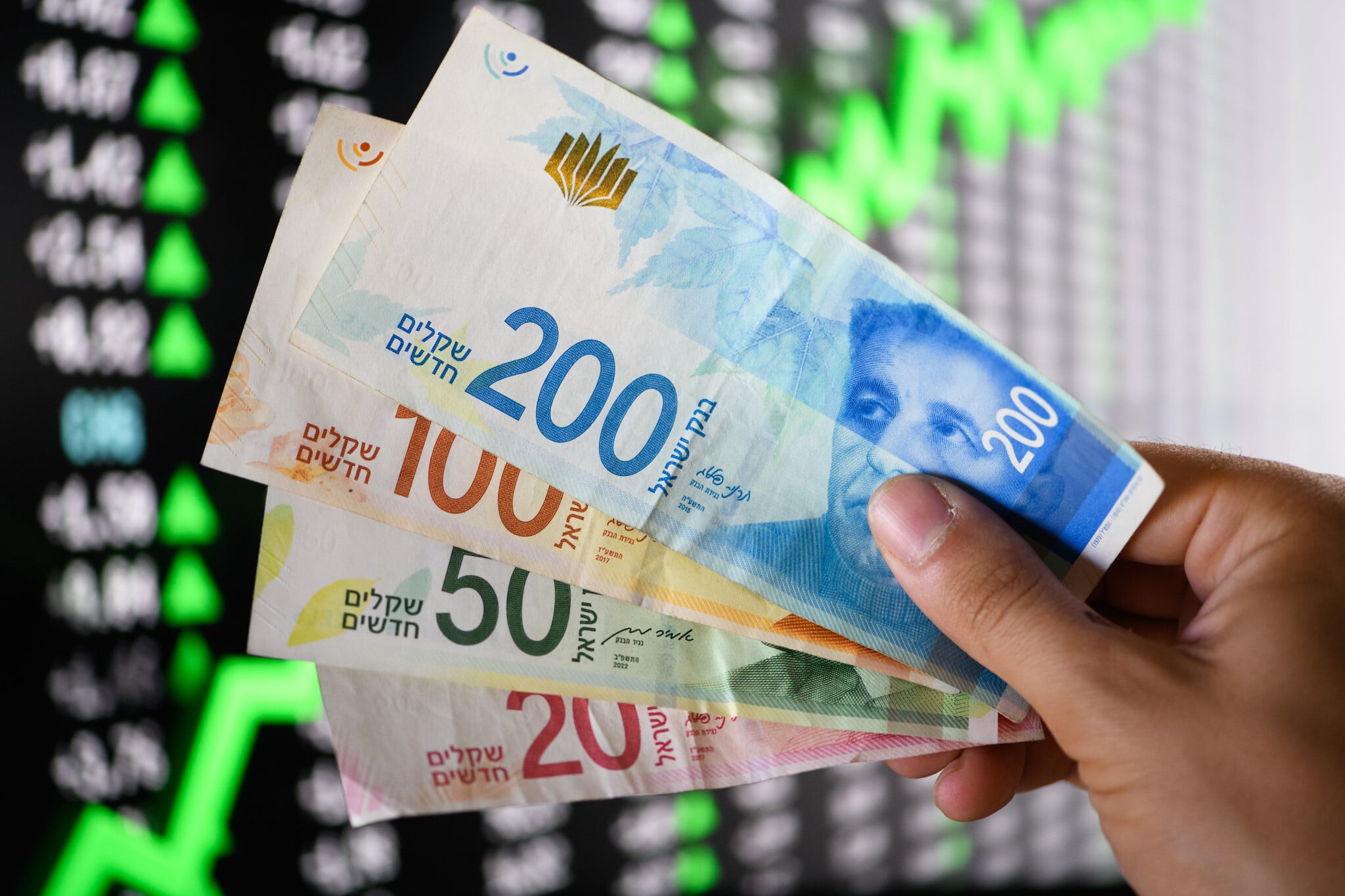
Israel’s dollar fell below 3 shekels for the first time in three decades, and the drop has done something unusual: it has sent households scrambling for cash while exporters sound the alarm. Money changers say buyers are snapping up U.S. banknotes within minutes, betting the currency will rebound after a year in which the dollar has lost about 19 percent against the shekel.
The mechanics are straightforward enough, even if the fallout is not. A government economic official said airborne foreign-currency shipments were interrupted for about six weeks during fighting, then resumed in recent days, helping explain the shortage at exchange shops and, to a limited extent, banks; at the same time, the stronger shekel is cutting the value of overseas revenue for firms that earn in dollars but pay many costs in shekels. The Bank of Israel set the representative rate at 3.00 shekels per dollar on Friday, while continuous trading pushed it to around 2.98.
That leaves manufacturers under the most pressure. Abraham Novogrotsky, who heads the Manufacturers Association, warned that a dollar starting with a “2” is a “death blow” to export profitability, with a roughly 20 percent annual slide in the exchange rate wiping out margins, freezing investment and threatening layoffs; he said high-tech and multinationals are already “calculating exit routes” from Israel.
For now, the public shortage should ease as shipments restart, but the next test is whether the currency keeps strengthening into the summer travel season and after the Shavuot holiday. If the shekel stays near these levels, exporters will keep pressing the Bank of Israel and Finance Ministry for action, and the question shifts from a temporary cash squeeze to whether the strong currency becomes a broader industrial problem.