
Oil prices slid on Tuesday as traders pulled back from a sharp Monday rally sparked by crumbling relations between the U.S. and Iran. International benchmark Brent crude futures for July delivery fell 0.60% to $113.77 per barrel, while West Texas Intermediate dropped 1.35% to $105.06.
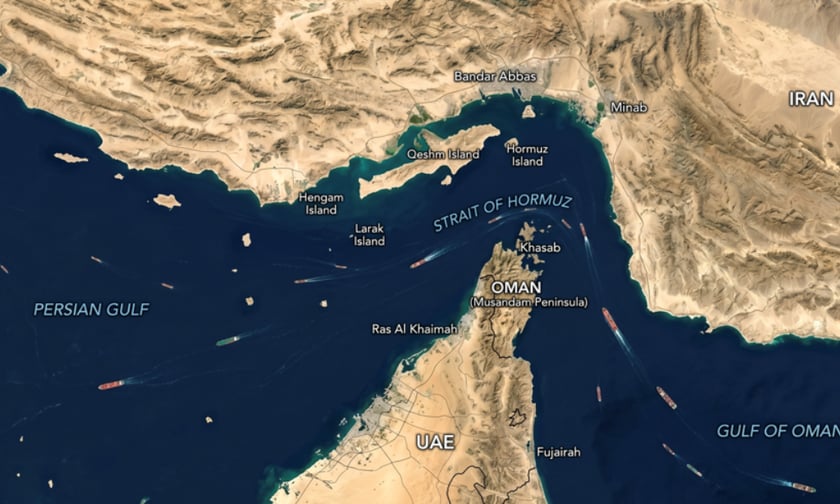
The move follows a volatile session on Monday where Brent surged 6% and WTI gained 4% after a fragile ceasefire appeared to unravel. The U.S. reported sinking Iranian vessels in the Strait of Hormuz, a critical waterway for global energy transit, after the United Arab Emirates was targeted by Iranian drones and missiles. In response, President Donald Trump warned that Iran would be "blown off the face of the earth" if U.S. ships safeguarding commercial traffic are targeted.
Supply constraints and inventories
Regional shortages. Chevron CEO Mike Wirth warned that fuel shortages are becoming a growing concern in specific global regions while the Strait of Hormuz remains closed. Although global inventories are not yet at critically low levels, Goldman Sachs noted that the uneven distribution of stocks across different regions could lead to localized supply gaps.
- Global oil stocks currently stand at approximately 101 days of demand.
- Goldman Sachs estimates these levels could drop to 98 days by the end of May.
- Monday's price settlement reflected immediate fears of a total supply break before Tuesday's slight retreat.
The Strait of Hormuz remains the primary bottleneck for the market as Washington and Tehran trade military blows. If the waterway remains closed and global inventories hit the 98-day mark as projected, localized fuel shortages could intensify by the end of May.

