
U.S. consumers have now pushed sentiment to a record low in April, with the University of Michigan’s final reading falling to 49.8 as households kept fixating on the inflation hit from the Iran war and higher fuel costs. The index was down 3.5 points from March, and the result was only slightly better than the preliminary 47.6 reading because some surveys landed after the ceasefire announcement.
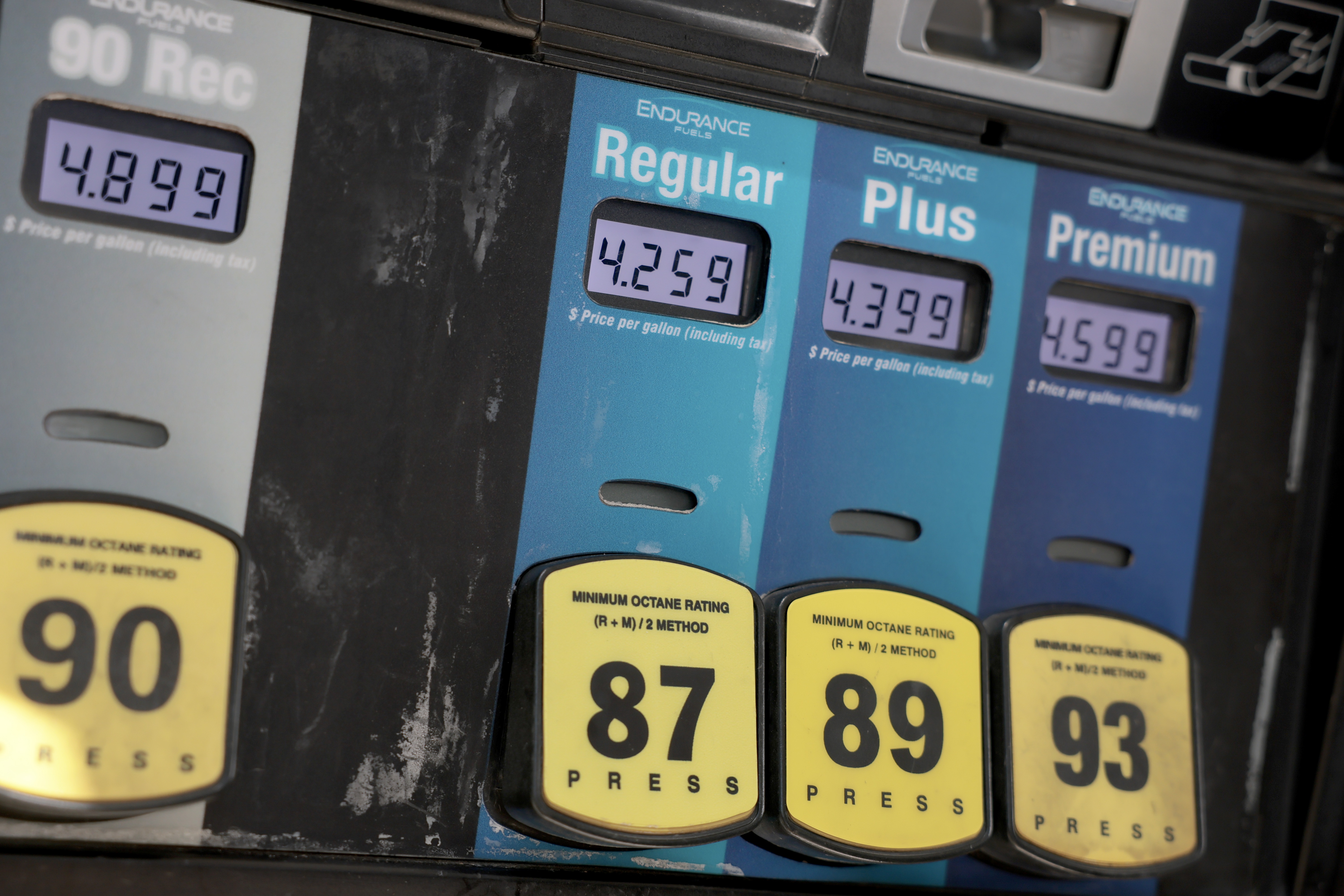
In practice, the damage is showing up where shoppers feel it fastest: gasoline above $4 a gallon nationally, diesel above $5, and broader worries that shipping bottlenecks in the Strait of Hormuz will bleed into other prices. Consumers’ year-ahead inflation expectations jumped to 4.7 percent from 3.8 percent, while long-run expectations rose to 3.5 percent, the highest since October, reinforcing the message that a pause in fighting is not the same as a fix for supply constraints.
That puts pressure on household budgets, especially for lower- and middle-income families that spend a bigger share on fuel, and it is already seeping into expectations for groceries, appliances and other shipped goods. The Conference Board had already flagged that cost-of-living worries were dominating consumers’ write-in comments, even when its own confidence index had not yet cracked as sharply.
The next test is Tuesday’s Consumer Confidence Index from The Conference Board, which will show whether the gas-price shock is spreading beyond sentiment into a broader confidence drop. If fuel prices stay elevated and the Strait of Hormuz remains constrained, the survey data suggest there is little reason to expect a quick rebound.

