
Inflation worries deepened in April as the U.S. economy showed a bit more life but also clearer signs of war-driven price pressure. S&P Global’s flash composite PMI rose to 52.0 from 50.3 in March, yet the same survey showed output prices climbing to a near four-year high and supplier delays worsening.
In practice, the rebound was powered mostly by manufacturing, where companies were stock building ahead of supply shortages and price hikes. The disruptions were tied to the U.S.-Israel war with Iran, which has pushed up oil and other commodity costs, while tariffs had already been squeezing suppliers before the conflict escalated.
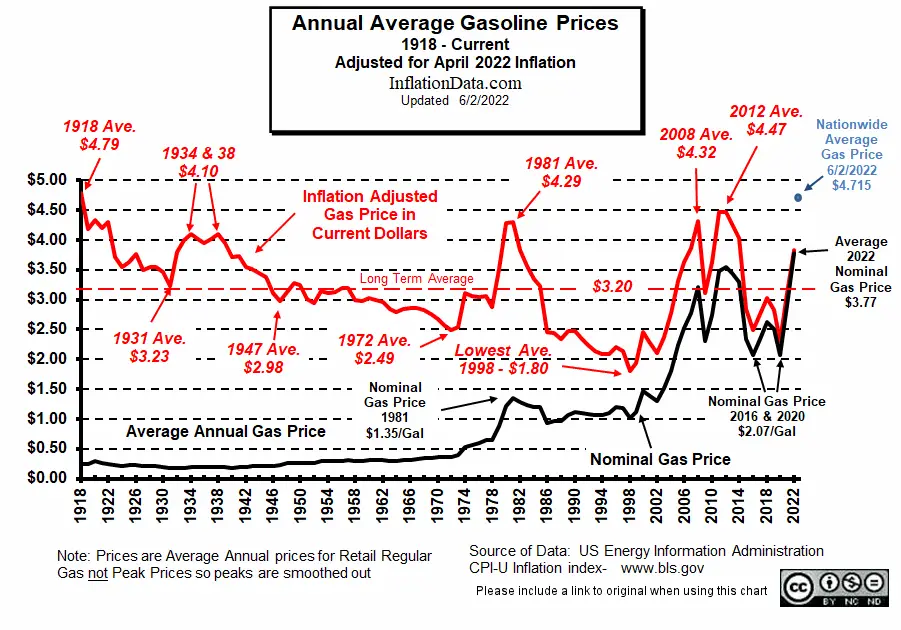
That puts pressure on both consumers and the Federal Reserve. The University of Michigan’s year-ahead inflation forecast rose to 4.7 percent in April from 3.8 percent in March, the biggest monthly jump since April 2025, while consumer sentiment sank to a record low of 49.8. Higher gas prices and lingering supply strain are already squeezing household budgets and threatening corporate margins.
The next test is whether those April price pressures show up in broader hard data and second-quarter guidance. If energy and shipping costs keep climbing, economists say it will be harder for the Fed to justify rate cuts, even if growth remains modest.

