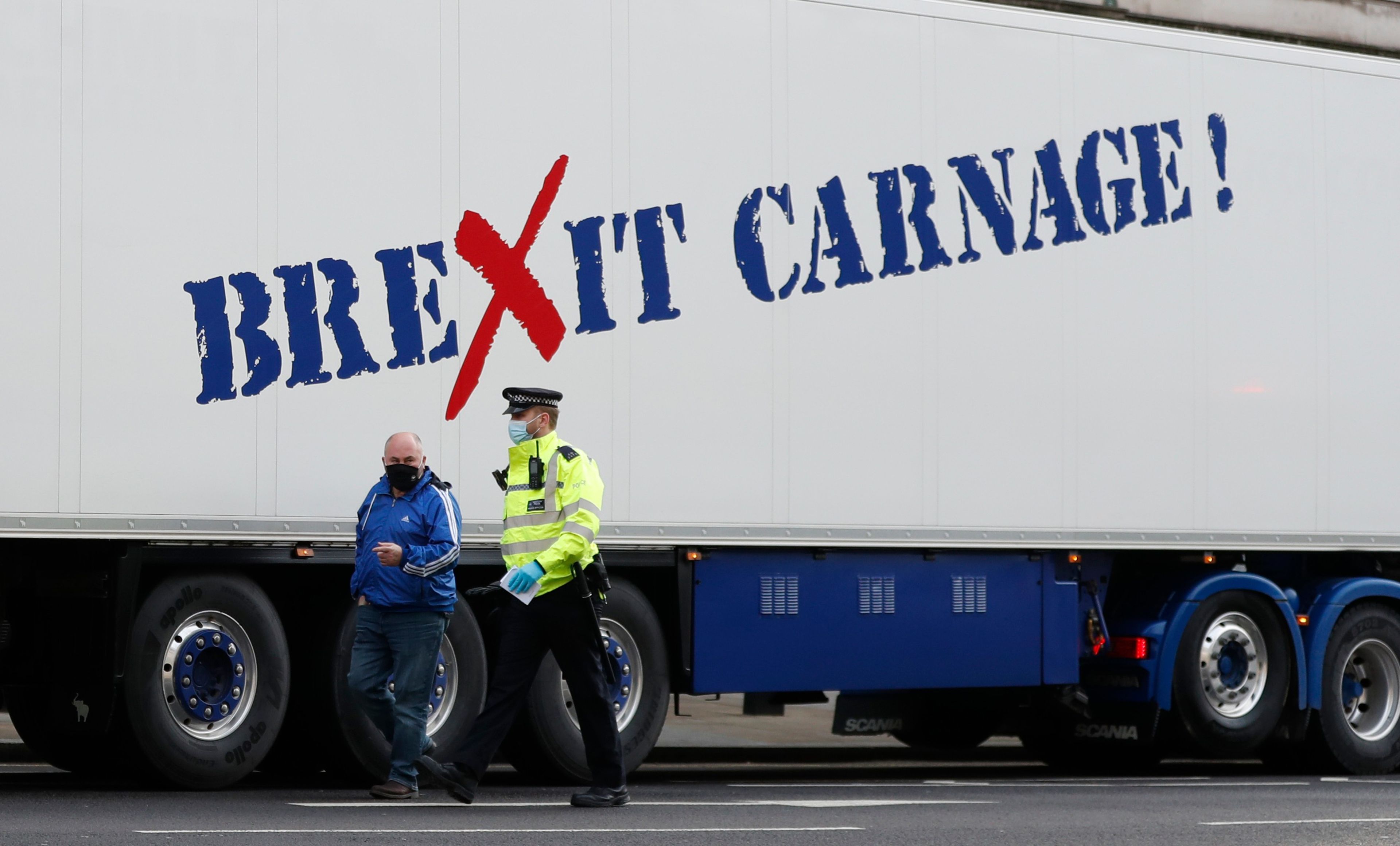
Ten years after the Brexit vote, the clearest effect has been a long drag on how British firms trade, invest and plan. For one small manufacturer, Bristol-based Eskimo, the change was concrete: its EU export share fell from 40% in 2020 to 5% in 2025, even though the UK-EU deal kept tariffs at zero. The company’s boss said paperwork, delays and the prospect of hassle were enough to stop direct sales to European consumers and derail a planned push into Germany.
What the data show
That company story matches broader trade data. The BBC reports that, versus 2019, UK exports to the EU were down 14% in 2025 and imports were down 10%, while 2025 was the worst year this century for UK goods export volumes to the bloc apart from one year during the financial crisis. One London School of Economics analysis of HMRC data also found 16,400 firms, 14% of EU exporters, stopped exporting to the EU between 2019 and 2023, with the falls concentrated among smaller businesses. Channel Tunnel freight also shrank, from 1.64 million trucks in 2016 to 1.16 million last year.
The economic hit in the research is measured against a world where the UK still faced Covid and the 2022 energy shock but had not left the EU. The BBC says recent studies put the economy at roughly 3% to 8% smaller than that alternative path, and one firm-level Bank of England-linked study pointed to an economy about 6% smaller. Separate studies cited there also found business investment running 12% to 13% below where it might otherwise have been.
Public opinion has moved too, though not uniformly. CBS reports that a majority of Britons now say leaving the EU was a mistake, while two-thirds of people who voted for Brexit still stand by that choice and 30% overall still say the UK was right to leave. The argument is no longer about an immediate shock. It is whether the UK will keep living with today’s trading frictions as the next UK-EU reset remains unresolved.