
Iran war: higher Treasury yields lift mortgage borrowing costs
Freddie Mac says the average 30-year mortgage rate dipped to 6.37%, but borrowing costs still pressure the spring housing market.
Posts by P&L Staff Posts by P&L Staff Posts by P&L Staff
Posts by P&L Staff Posts by P&L Staff Posts by P&L Staff

Freddie Mac says the average 30-year mortgage rate dipped to 6.37%, but borrowing costs still pressure the spring housing market.

Sultan Al Jaber said passage through Hormuz depends on “permission, conditions and political leverage” from Iran as Brent climbed back above $99 a barrel.

February’s PCE inflation rose 0.4% on the month and 2.8% year over year, keeping the Fed under pressure as rate cuts move farther away.

Freddie Mac said the average 30-year mortgage rate fell to 6.37%, ending a five-week climb after the U.S.-Iran ceasefire eased inflation worries.

U.S. labor-force participation fell to 61.9% in March, its lowest since 1977 outside the pandemic, even as payrolls beat forecasts.

Sultan Al Jaber said the Strait of Hormuz was “not open” as Brent rose above $99 and US crude topped $102 briefly.
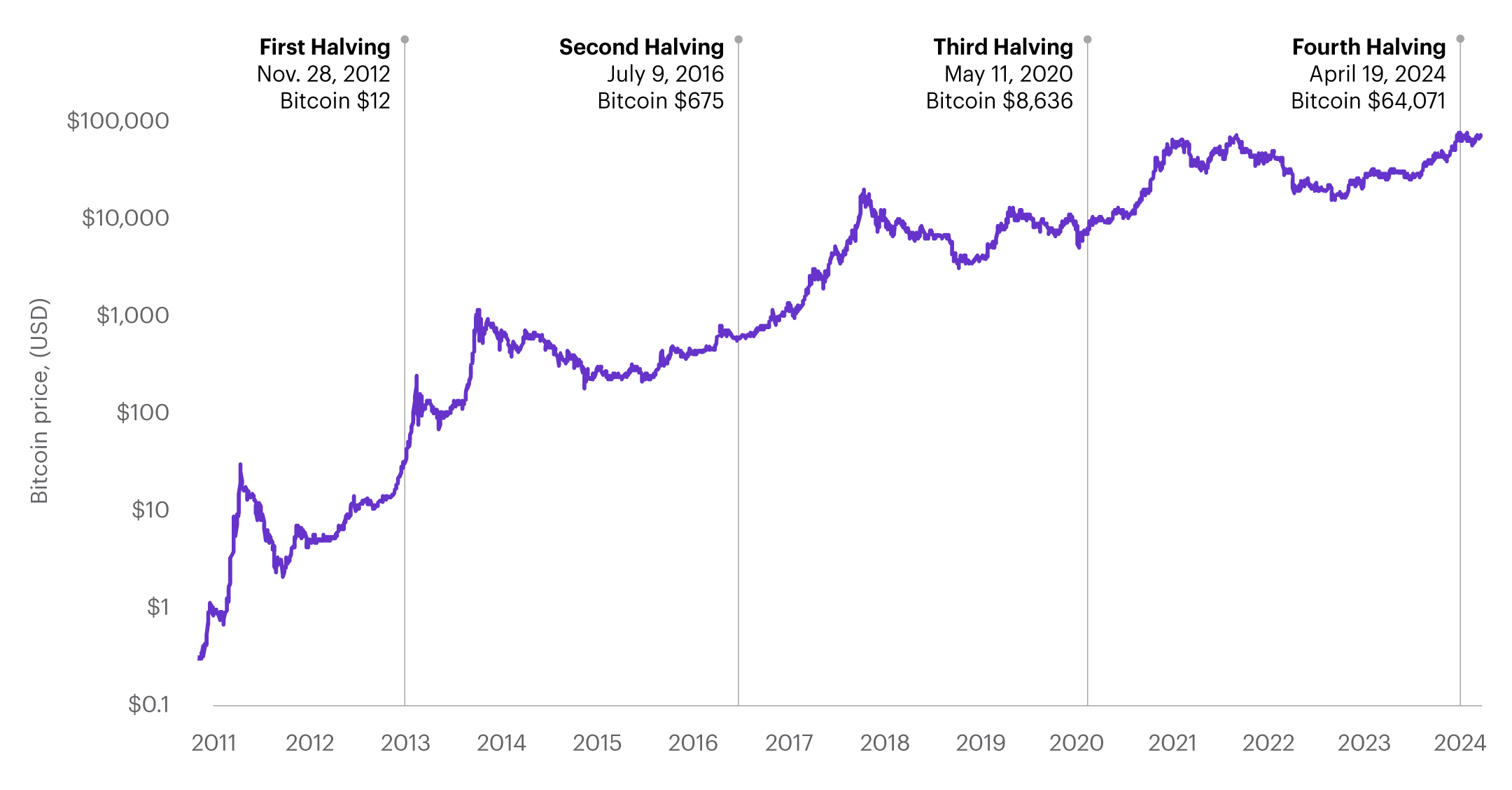
Bitcoin futures open interest hit 726,000 BTC as altcoins gained some traction, but leverage still drove much of the move.
:max_bytes(150000):strip_icc()/2-26-3e39f137d0f64eaca167ad5604dfb77e.png)
Zillow economist Kara Ng said the geopolitical shift brought only a slight reprieve as mortgage rates fell after Iran and ceasefire headlines eased oil fears.
U.S. jobless claims rose by 16,000 to 219,000, while inflation is expected to climb as the Iran war lifts energy, food and financing costs.

Brent rebounded above $99 a barrel as traders questioned whether the Strait of Hormuz will reopen after the ceasefire.


