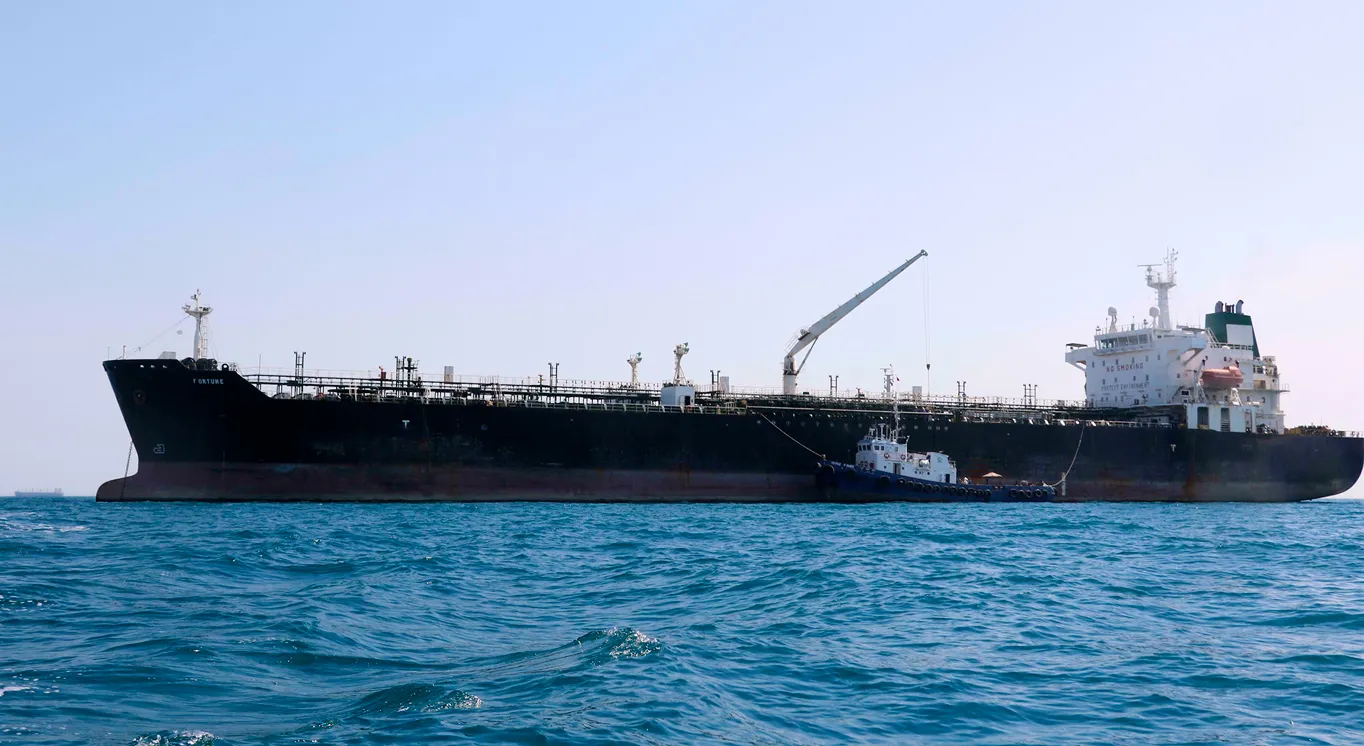
Oil prices have snapped back to levels not seen since 2022 as the effective closure of the Strait of Hormuz continues to choke global energy flows. Brent crude spiked above $125 per barrel on April 30 after a tentative ceasefire failed to hold and the U.S. Navy moved to block the waterway to hamper Iranian exports.
The energy squeeze
The supply shock has rapidly filtered through to American consumers and businesses. National average gas prices reached $4.30 a gallon on Thursday, contributing to a 12.5% year-over-year increase in energy costs. This surge is beginning to weigh on domestic household stability:
- Savings hit. The annual personal savings rate dropped to 3.6% in March, its lowest level since 2022.
- Income lag. Real disposable income growth slowed to a 0.4% yearly pace, the weakest in approximately three years.
- Borrowing costs. The 10-year Treasury yield hit 4.4% as inflation fears mounted, pushing the 30-year fixed mortgage rate to 6.3%.
Despite the energy crisis, the S&P 500 recently marked its best month since 2020, soaring 10% in April. While global markets have largely recouped losses on the back of resilient corporate earnings and AI demand, some officials are sounding the alarm. Bank of England Deputy Governor Sarah Breeden warned that asset prices at all-time highs do not reflect the risk of a major macroeconomic shock or a potential private credit crunch.
The divergence between record stock valuations and a frozen energy supply chain remains the primary market tension. Goldman Sachs has already raised its late 2026 Brent forecast to $90, noting that global inventories are currently drawing at a record pace of 11 million to 12 million barrels per day.
Economic resilience will face its next test on May 8, when the U.S. government releases the April nonfarm payrolls report.