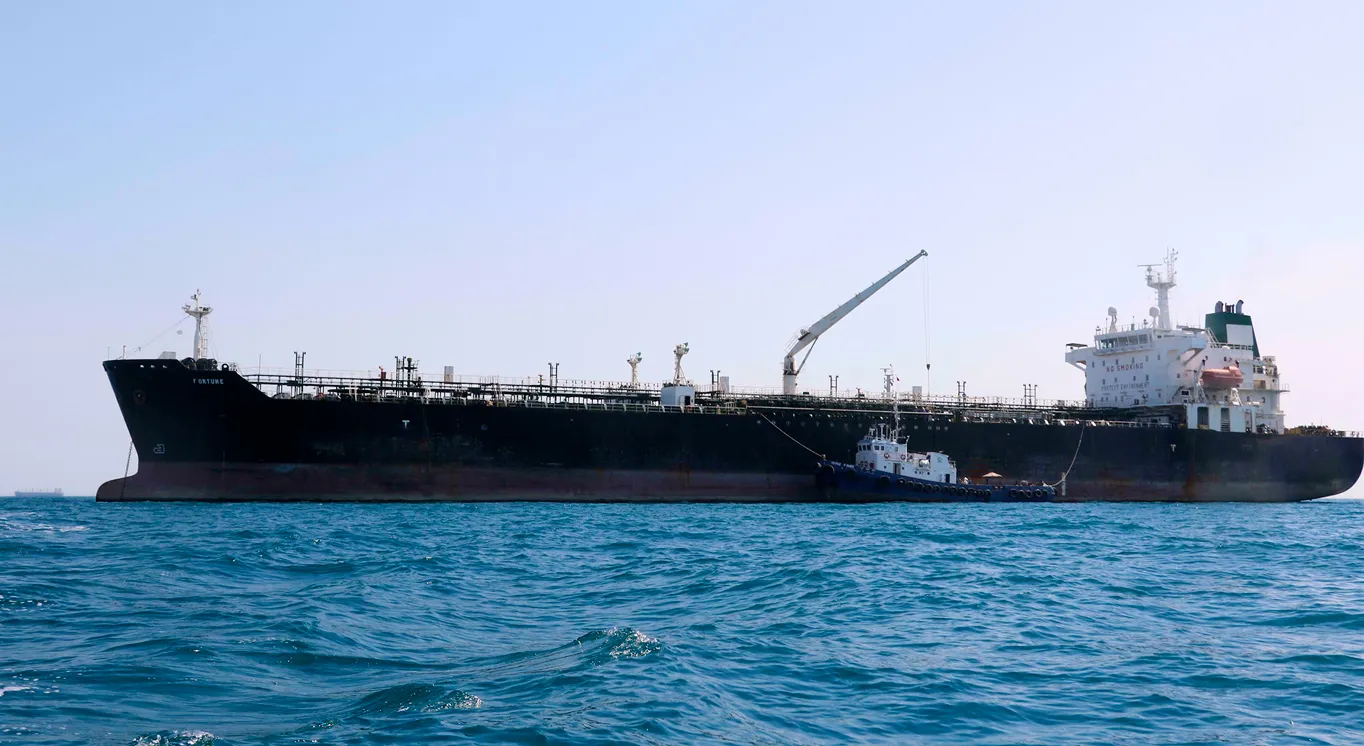
Oil markets are approaching a critical breaking point as a dual-sided storage crisis threatens to force radical shifts in global production. Brent crude spiked above $125 a barrel on April 30 as a U.S. naval blockade and the continued closure of the Strait of Hormuz effectively trapped 14 million barrels of daily supply.
The storage squeeze
Analysts warn that the energy sector is caught between two diametrically opposed emergencies that could materialize within weeks. Western consuming nations are rapidly exhausting stockpiles, while Iran is running out of places to put the oil it cannot export.
- Tank Bottoms. JPMorgan analysts expect OECD inventories to hit operational minimums between May 9 and May 30, a point where price increases could become exponential.
- Tank Tops. Iran faces a narrowing one-month window before it reaches max storage capacity, which would force the country to slash output and risk permanent damage to its oilfields.
- U.S. Drawdowns. Combined reserves of U.S. crude and oil products have fallen by 52 million barrels over the last four weeks as the U.S. tries to bridge the supply gap.
Supply limits. Domestic relief appears unlikely, as U.S. producers are hesitant to increase drilling. In a Dallas Fed survey, executives cited administrative uncertainty and the need for higher 2027 futures prices as reasons for declining rig counts, even with spot prices holding above $90.
The inventory drain has already hit American households, with the national average gas price reaching $4.30 a gallon. While Saudi Arabia and the UAE are using alternative routes to bypass the Strait of Hormuz, these efforts have not fully offset the 50% surge in oil prices seen since the war began.
Energy Aspects predicts global oil buffers will be completely exhausted by the end of June.