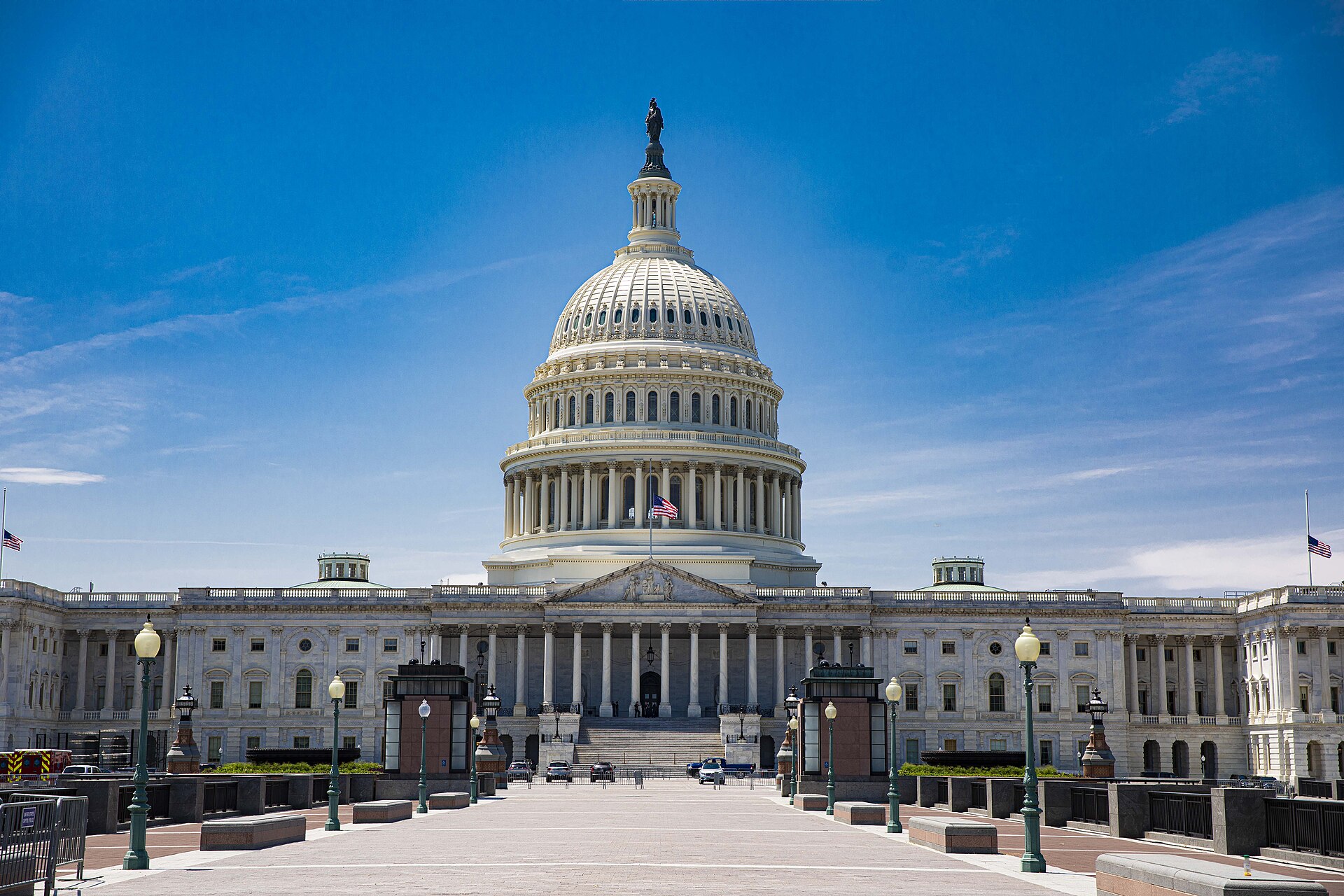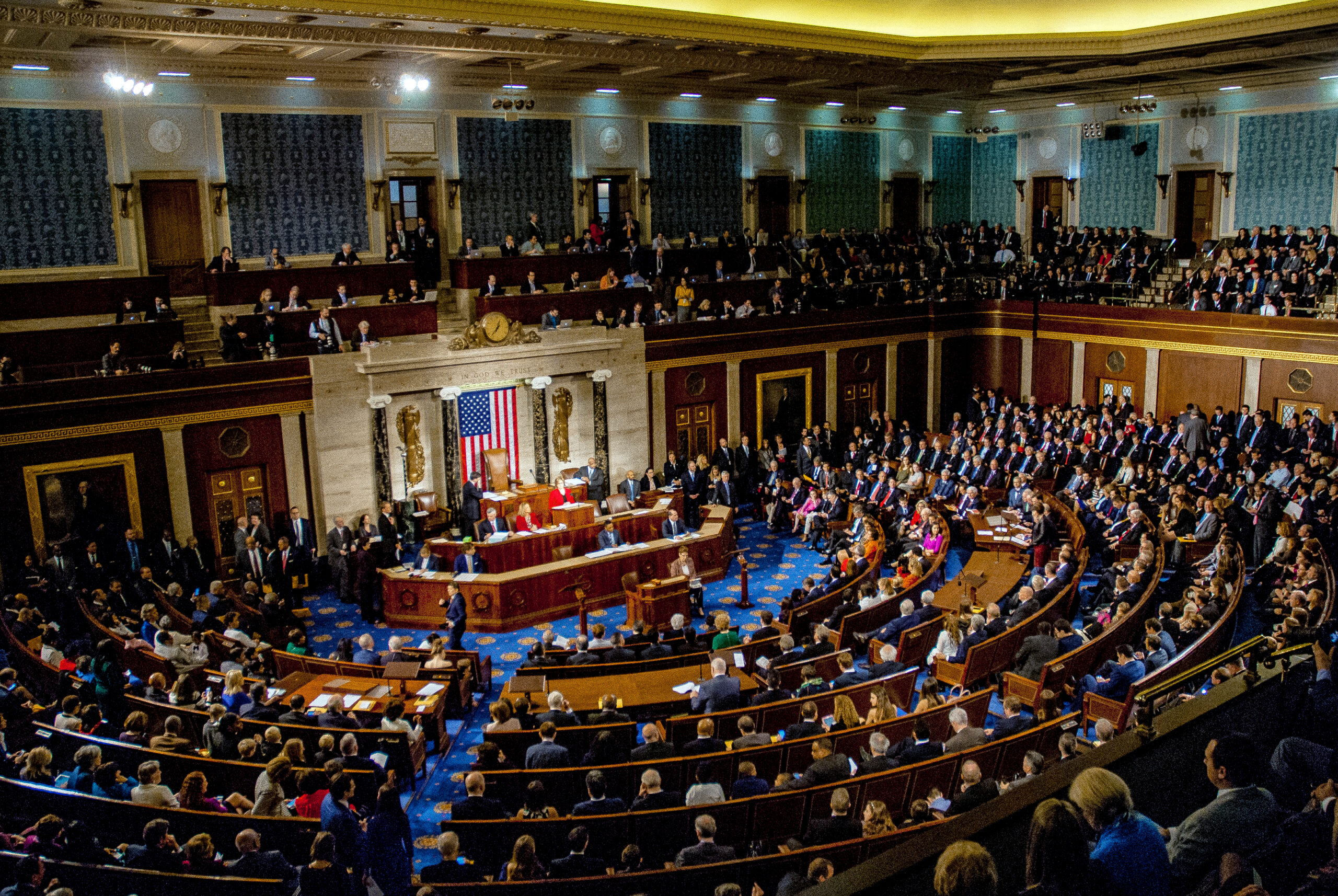
The prediction-market business just hit a political and regulatory wall. The Senate banned members and staff from trading on prediction markets, and the NBA separately asked the CFTC to tighten restrictions on players, officials, and team staff. Same theme, same message: the people closest to the outcome should not be able to trade the outcome.
That is the part that has changed. Prediction markets have been expanding on the promise that they can price everything from elections to sports, but the institutions being priced are now pushing back on who gets to play. The Senate move was unanimous and immediate; the NBA wants stricter age limits, suspicious-trading coordination, and bans on contract trading by anyone under 21.
- The Senate rule applies only to the chamber for now, though House Republicans are already under pressure to follow it, according to NBC News.
- The NBA’s letter says manipulation risks are most acute in markets tied to officiating, injuries, and fan actions, and it wants leagues and platforms to share data on suspicious trading.
- The comment period at the CFTC closed Thursday after nearly 1,500 submissions, giving the agency a record-sized pile of feedback as it considers new rules.
The reframing here is simple: prediction markets are no longer being judged only as a new financial product. They are being treated as a venue where integrity risk can spread from the contract to the underlying event. That makes access, disclosures, and surveillance the real price of growth.
For platforms like Kalshi and Polymarket, the next phase is less about proving demand and more about proving controls. If lawmakers and leagues keep narrowing who can trade and what can be listed, the business will have to grow inside a much tighter box. The next fault line is whether the CFTC writes that box into the rules.