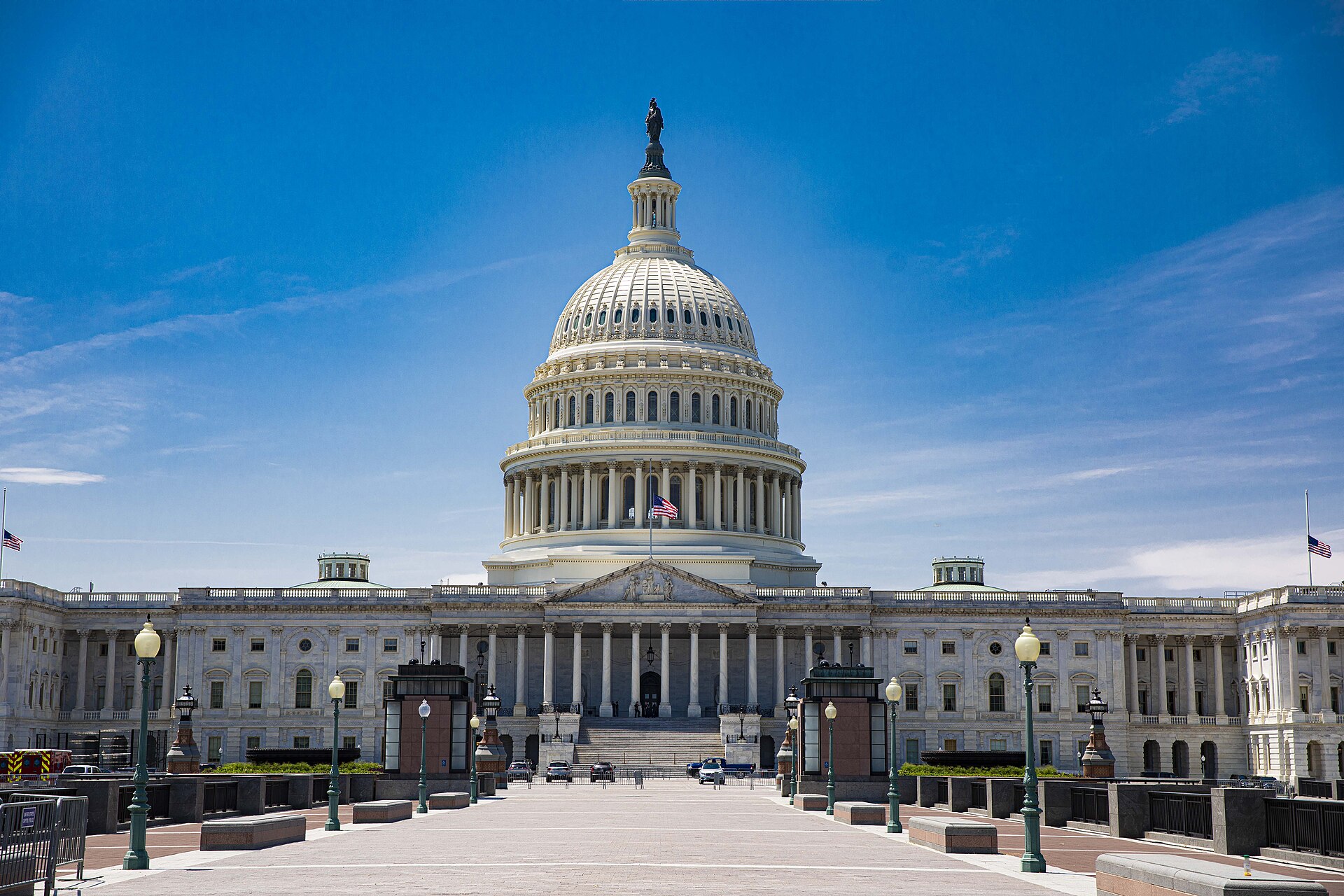
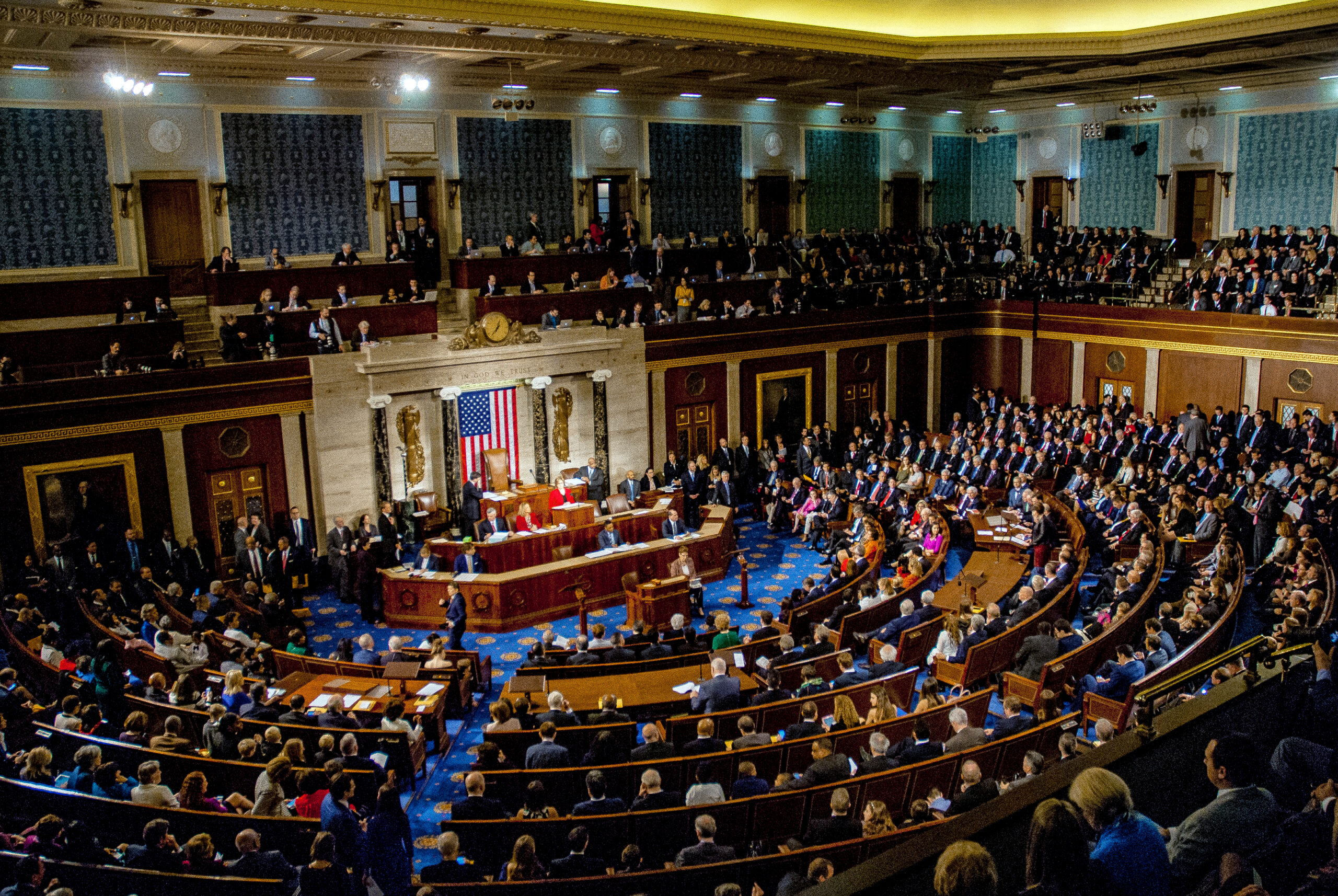
Prediction markets just got a lot less like a novelty trade. The NBA asked the Commodity Futures Trading Commission to impose tighter restrictions on players, officials and team staff, while the Senate unanimously banned members and staff from trading on prediction markets. The message is the same in both places: if people close to the outcome can trade, the product loses credibility fast.
The league’s letter says markets tied to officiating, injuries and fan behavior are especially exposed to manipulation, and it wants a strict age floor of 21. The Senate resolution went into effect immediately, after scrutiny of bets placed before major announcements on the Iran war and other trades that raised insider-information concerns. The regulatory picture is now being shaped by actual abuse cases, not abstract concerns.
- The NBA says prediction markets need “robust and comprehensive regulations,” and wants more data sharing and suspicious-trading cooperation with leagues.
- Kalshi and Polymarket still let users 18 and older trade on yes/no outcomes, including sports.
- The CFTC received nearly 1,500 comments during its rule-making process, and the comment window closed Thursday.
That is the real shift: prediction markets are moving from a clever way to price events to a business that has to prove it can police insider access. The sports leagues that are signing partnership deals can keep pushing the growth story, but the NBA’s filing shows the constraint now sits on integrity, not demand.
For operators, the next question is whether the CFTC rewrites the rulebook with tighter walls around athletes, staff and sensitive event contracts. If it does, the products may still grow — just with less of the freewheeling access that made them easy to scale in the first place.