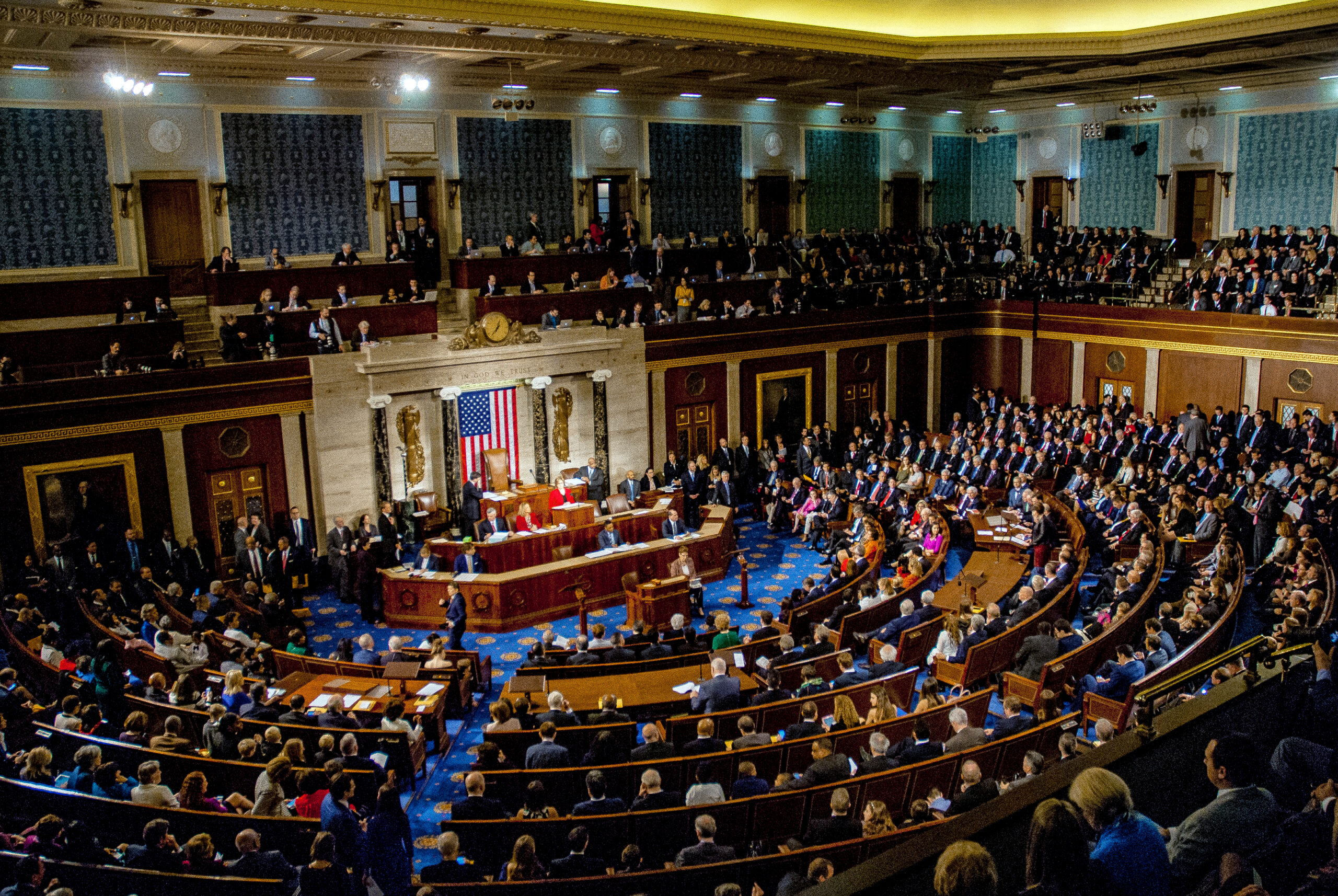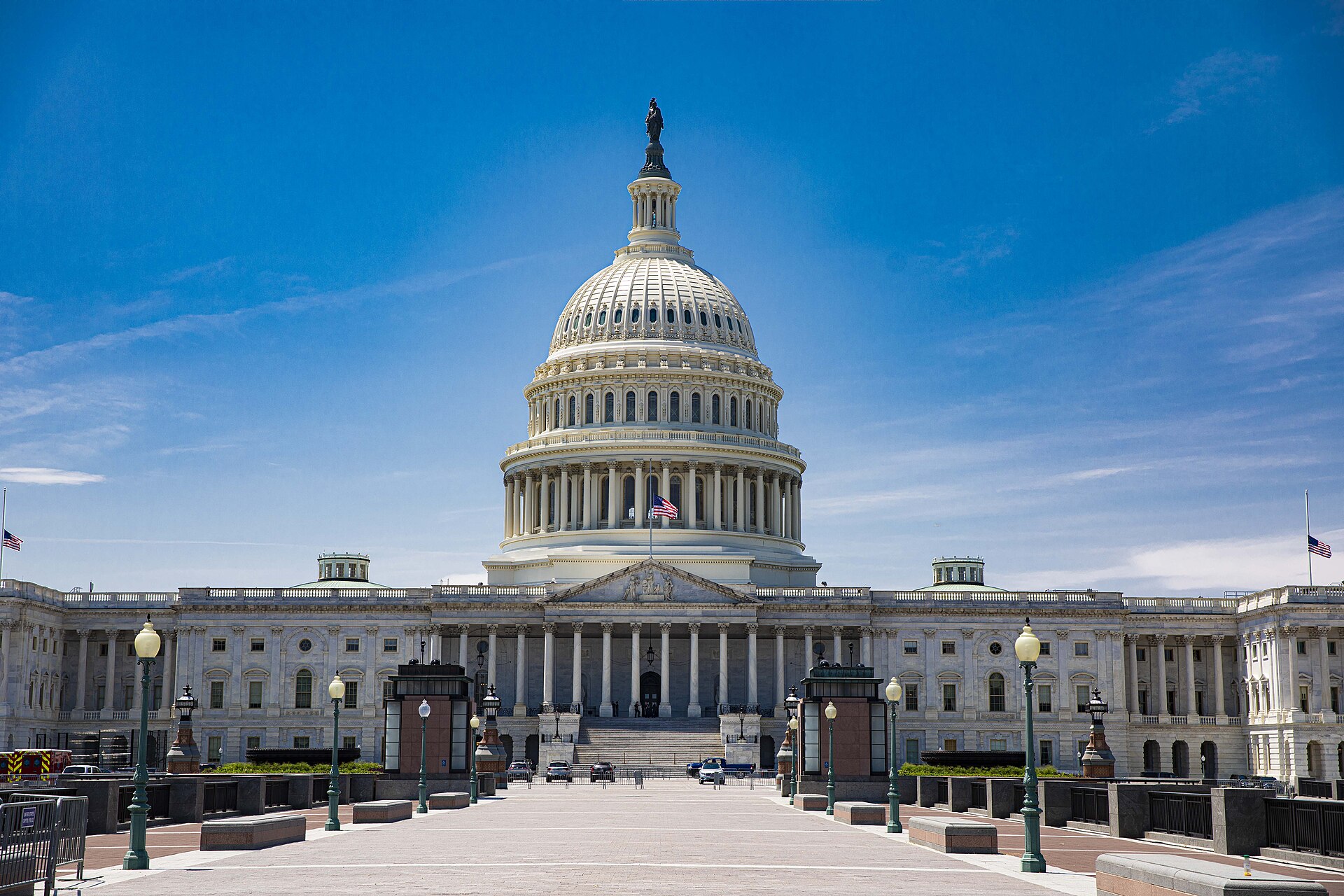
Prediction markets just picked up a new problem on both ends of Pennsylvania Avenue. The NBA asked the Commodity Futures Trading Commission to tighten restrictions on players, officials and team staff, and the Senate passed a rule banning members and staff from trading on prediction markets outright.
That turns the debate from niche fintech to a governance fight. The NBA said markets tied to officiating, injuries and fan behavior are especially vulnerable to manipulation, while lawmakers are reacting to bets placed before major announcements, including on the Iran war. The sticky sentence is simple: prediction markets now have to prove they can handle inside information before they win broader legitimacy.
- The Senate resolution passed unanimously and takes effect immediately, with the House now under pressure to follow with a similar rule on the same trading ban.
- The NBA wants a strict age floor of 21 for contract trading, plus better data sharing and suspicious-trading coordination between leagues and venues.
- The CFTC comment period has closed after nearly 1,500 submissions, putting the agency on the clock as it weighs whether to rewrite prediction-market rules.
What changed is the political cover around these markets. Sports leagues are still split — MLB, the NHL and UFC have struck partnerships, while the NBA is pushing back — but Congress is no longer treating prediction markets as just another gambling product. They are starting to look like a regulated venue with an integrity problem.
For Kalshi and Polymarket, that is a practical constraint, not a branding issue. The question is no longer whether demand exists; it is whether the product can survive tighter rules on who trades, what can be listed and how closely exchanges have to cooperate with leagues. If the CFTC moves in that direction, prediction markets may still grow — just with a narrower set of users and a harder compliance burden.
The next live test is whether the House copies the Senate and whether the CFTC writes sports-specific limits into its rulebook. If that happens, the business stops being about pure access and starts being about who is allowed to participate at all.