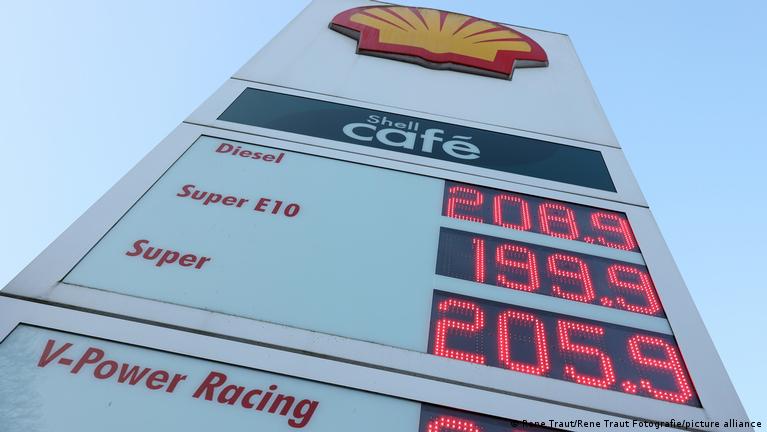
Germany’s growth story just got a lot uglier. Berlin cut its 2026 growth forecast to 0.5 percent from 1.0 percent and trimmed 2027 to 0.9 percent, while lifting inflation expectations because the Iran war is pushing up oil and gas costs. The sting is not just that energy is more expensive, but that Germany’s export engine is already sputtering, leaving the country with less cushion if the conflict keeps disrupting trade and supply chains.
Economy Minister Katherina Reiche said the recovery is being held back by geopolitical shocks, but her ministry also admitted the damage is landing on a fragile domestic base. Private consumption is expected to keep growing, though only modestly in real terms, while public spending on infrastructure and defense provides some support. In practical terms, that means Germany is leaning harder on government demand just as its private sector looks cautious.
The broader backdrop is a four-year stretch of weak growth, and the latest downgrade only deepens pressure on Chancellor Friedrich Merz’s coalition to show it can do more than blame events abroad. Exports are not expected to rise until 2027, and inflation is now seen climbing to 2.7 percent this year and 2.8 percent in 2027, which keeps the European Central Bank in an awkward spot: if energy-driven inflation lingers, rate cuts get harder to justify.
Markets are taking the conflict-driven inflation threat seriously, but mortgage and bond traders are still treating the latest ceasefire extension as a reason to wait rather than lunge. Mortgage rates in the U.S. have stayed boxed into a tight range for more than a week, with the average best-case 30-year fixed rate at 6.29 to 6.33 percent and modest improvement on the day. That suggests investors are betting on de-escalation, even as the economic costs of a prolonged standoff are already showing up in Germany’s forecasts.