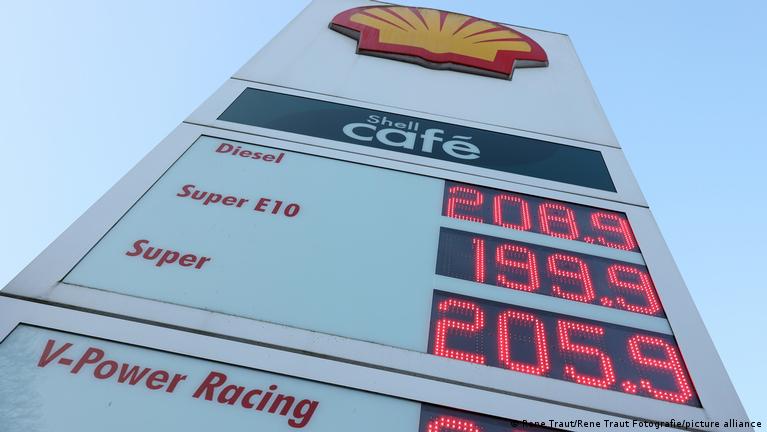
Germany’s growth story just took another hit, and the surprise is less the downgrade than the reason behind it: the Iran war is feeding an energy shock that is now bleeding straight into forecasts, inflation and business confidence. The economy ministry cut 2026 growth to 0.5 percent from 1.0 percent and trimmed 2027 to 0.9 percent, while lifting its inflation outlook as oil and gas costs rise.
The government says the immediate damage runs through higher prices for households and industry, but the deeper problem is that Germany was already limping. Europe’s largest economy has been weighed down by weak exports, higher energy costs and tougher competition from China, and the latest shock threatens to knock back a recovery that had been leaning on public spending and domestic demand. Friedrich Merz’s coalition is also facing a political and economic squeeze, because the slowdown weakens the case for easy optimism while making the country more dependent on fiscal support.
Inflation is drifting back up, too. The ministry now sees price growth at 2.7 percent this year and 2.8 percent in 2027, which could keep pressure on the European Central Bank if energy costs stay sticky. Germany’s budget arithmetic gets a small offset from the weaker outlook, with the government able to borrow an extra 2.7 billion euros for the 2027 budget under the debt brake rules, but that is a consolation prize, not a cure. Business groups and economists are using the downgrade to press the same old complaint: without faster reforms on taxes, energy and bureaucracy, any rebound will be fragile and easily derailed by the next external shock.
Investor sentiment is already flashing that skepticism. The ZEW indicator of German economic sentiment fell to minus 17.2 in April, its weakest reading in more than three years, as firms absorbed the jump in energy prices. That leaves Germany with a familiar bind, a government trying to spend its way toward stability while private-sector confidence stays stuck in the doldrums.